Wire EDM vs Sinkermaster Which Process Wins For You?
Rapid Manufacturing
Author
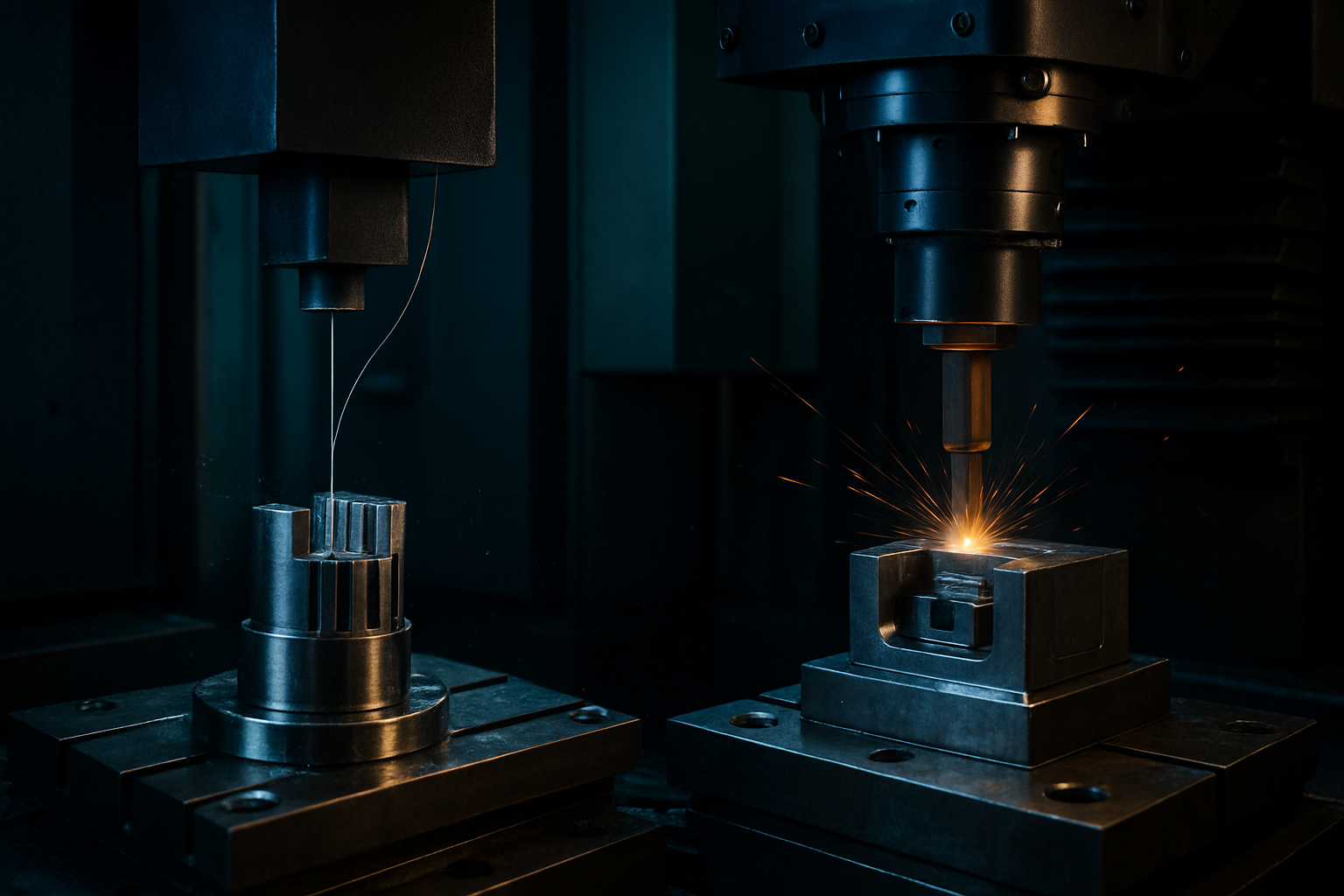
Choosing Between Wire EDM and Sinker EDM: A Guide for Australian Engineers
Electrical Discharge Machining (EDM) is a critical process in manufacturing, particularly when dealing with hard materials or complex geometries that traditional machining struggles to achieve. In Australia, selecting between wire EDM and sinker EDM often hinges on specific project requirements such as material hardness, part complexity, and surface finish demands.
Material Considerations
When deciding whether to use wire EDM or sinker EDM, the first consideration is always the type of material you are working with. Wire EDM excels in machining hardened steels (up to HRC 68) and non-conductive materials like ceramics or carbides due to its ability to cut through narrow gaps without significant heat generation. For instance, cutting stainless steel 316 using wire EDM can yield excellent surface finishes and tight tolerances, typically within ±0.005 mm for thin-walled parts.
On the other hand, sinker EDM is ideal for materials that require a higher level of detail retention and when dealing with soft or medium-hardness steels (up to HRC 48). It's particularly effective in applications like die sinking where intricate internal cavities are required. For example, creating complex molds from tool steel can benefit greatly from sinker EDM due to its superior ability to handle sharp corners and narrow slots.
Decision Framework
-
Choose Wire EDM when: You need to cut through hard materials (>HRC 48) or non-conductive materials; the part geometry involves thin walls, fine holes, or small gaps. For example, machining intricate parts from hardened tool steel for automotive or aerospace applications can greatly benefit from wire EDM.
-
Choose Sinker EDM when: You require a high level of detail retention and are working with soft to medium-hardness steels; the part design includes deep cavities, internal features, or complex profiles. For instance, manufacturing injection molds that involve intricate details like texturing or fine ejector pin holes.
Common Mistakes to Avoid
-
Not considering material hardness: Overlooking this can lead to excessive electrode wear and poor surface finishes in sinker EDM applications, while wire EDM may struggle with soft materials due to increased sparking.
-
Neglecting the impact of geometry on machining time: Complex geometries requiring multiple setups or slow cutting paths will significantly increase both processing time and cost. For instance, attempting to machine thin-walled parts with a sinker EDM can lead to excessive cycle times compared to wire EDM.
Quick Reference
-
Wire EDM:
- Best for: Hardened steels (HRC >48), non-conductive materials
- Typical tolerances: ±0.005 mm
- Cutting speed: Up to 1,200 mm/min
-
Sinker EDM:
- Best for: Soft to medium-hardness steels (HRC <48)
- Typical tolerances: ±0.01 mm
- Suitable for: Intricate molds and dies
Practical Takeaway
Before deciding between wire EDM and sinker EDM, thoroughly evaluate the material hardness, part geometry, and desired surface finish of your project. Consulting with an experienced local CNC shop can provide tailored advice based on regional supply chain realities and Australian manufacturing standards, ensuring you make the most cost-effective choice while meeting stringent quality requirements.
Remember, understanding the nuances between these processes is key to selecting the optimal method for any given application in Australia's diverse manufacturing landscape.
Free quote in 2 business days. No minimum order.