T tolerances in CNC machining IT grades demystified for engineers
Rapid Manufacturing
Author
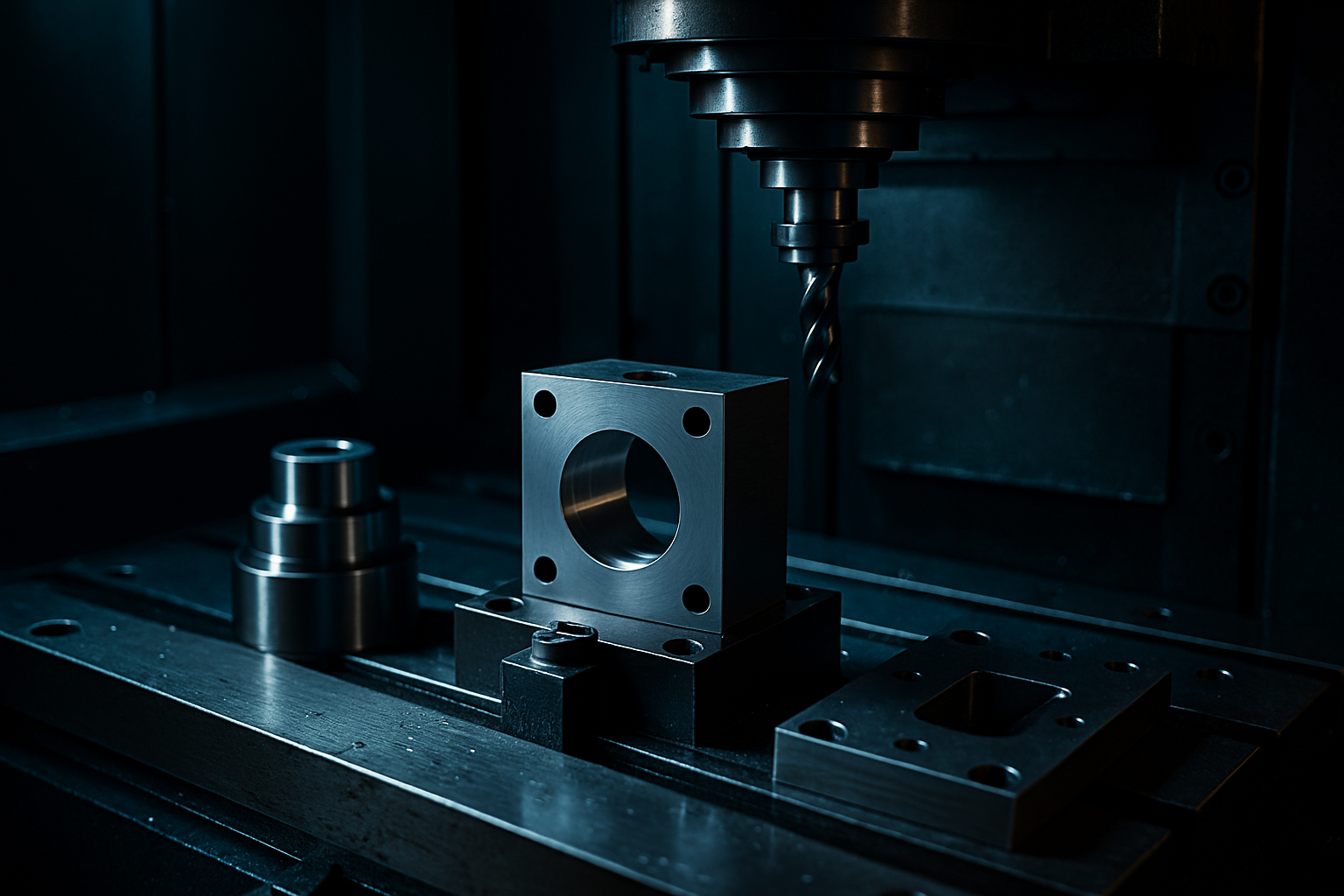
Tolerances in CNC Machining: IT Grades Explained for Engineers
Understanding IT Grades and Their Impact on Part Quality
Tolerances are a fundamental aspect of engineering design and manufacturing, especially when it comes to precision parts produced via CNC machining. In Australia, as with other advanced manufacturing hubs, adhering to International Tolerance (IT) grades is crucial for ensuring the quality and consistency of manufactured components.
The IT grade system categorises tolerances into 20 classes ranging from IT1 to IT18, where a lower number indicates tighter precision. For instance, an IT6 tolerance might be suitable for mechanical engineering components requiring high accuracy like gears or bearings, while an IT14 would suffice for general industrial parts such as brackets and covers.
When choosing the right IT grade for your CNC machined part, consider both functional requirements and cost implications. Tighter tolerances can significantly increase machining time and material wastage due to the need for more precise toolpaths and higher scrap rates. For example, achieving an IT6 tolerance on a complex aluminium 6061 component could add up to $200 per hour in machining costs compared to an IT14 grade.
Material Recommendations and Considerations
Selecting the right material is equally critical as it influences both the ease of machining and the overall cost. In Australia, popular choices for CNC machined parts include aluminium 6061, stainless steel (316), titanium alloys, and advanced composites like PEEK.
- Aluminium 6061: Ideal for lightweight applications with a balance between strength and workability. It is relatively inexpensive at around $25–45/kg.
- Stainless Steel 316: Suitable for parts exposed to harsh environments due to its corrosion resistance. The material cost ranges from $70–130/kg.
- Titanium Alloys: Excellent for aerospace and medical applications where weight-to-strength ratio is crucial, but machining costs can be prohibitive at approximately $500–800/kg.
- PEEK (Polyether Ether Ketone): A high-performance polymer suitable for parts requiring chemical resistance or biocompatibility. Costs around $800–1600/kg.
Common Mistakes and Practical Decision Frameworks
Avoid the trap of over-specifying tolerances without a clear engineering need, as this can lead to unnecessary costs and delays in production timelines. Conversely, underestimating tolerance requirements might result in parts that do not meet functional specifications or performance standards.
A practical decision framework is:
- Choose IT6 when high accuracy is required for critical dimensions such as fits (e.g., shaft-housing interfaces).
- Opt for IT14 when the part does not need tight tolerances and can accommodate minor variations without affecting function.
Quick Reference: Key Specs and Decision Points
- IT Grade Selection: Prioritise functional requirements over cost.
- Material Choice: Balance between material properties and machining complexity.
- Cost Estimation: Include both raw material costs and machining rates ($120–$300/hr).
- Avoid Over-Specification: Reduce unnecessary precision to lower manufacturing expenses.
Applying Knowledge: A Practical Takeaway
Understanding IT grades and their impact on CNC machined parts empowers engineers and procurement managers to optimise both quality and cost in Australian manufacturing. By carefully selecting appropriate tolerances and materials, you can streamline production processes, reduce material wastage, and ultimately deliver more competitive products to the market.
For immediate application, review your current projects with an eye towards IT grade requirements and material selection. Identify areas where tolerance specifications might be relaxed or refined for better cost efficiency without compromising on performance.
Free quote in 2 business days. No minimum order.