T tolerances in CNC machining IT grades demystified for engineers
Rapid Manufacturing
Author
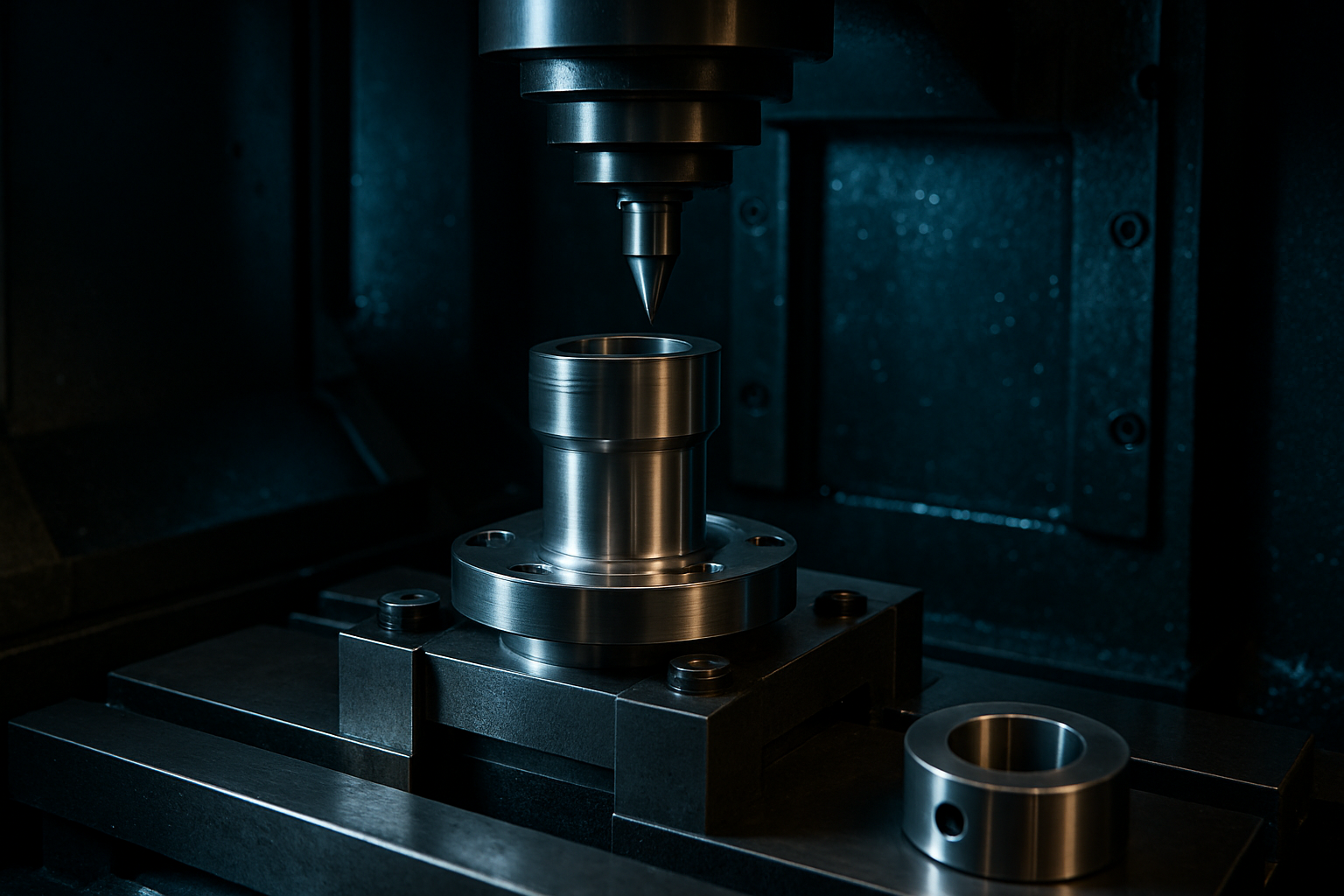
Understanding Tolerances in CNC Machining: IT Grades Explained for Australian Engineers
Tolerances play a crucial role in ensuring that parts manufactured through CNC machining meet precise requirements and function correctly within their intended systems. The tolerance grade system, often referred to as the International Tolerance (IT) grades, is fundamental for specifying how accurately a part must be machined. In Australia, adhering to these standards ensures compliance with local regulations and quality control measures.
IT Grades: Precision Levels Explained
The ISO 286 standard defines tolerance bands that are designated by letters A through ZC, representing different precision levels from loose (A) to extremely tight (ZC). For most engineering applications in Australia, grades IT6 to IT13 are commonly used. Here’s a breakdown of the practical implications for each grade:
- IT6 to IT8: Ideal for high-tolerance parts where fit and function are critical. These grades are often chosen for aerospace components or precision instruments.
- IT9 to IT12: Suitable for general manufacturing purposes, such as mechanical assemblies requiring moderate tolerances. Commonly used in automotive and agricultural equipment.
Choosing the right grade is crucial; selecting an unnecessarily tight tolerance (e.g., IT6) can dramatically increase costs without providing substantial benefits if a looser tolerance (e.g., IT9) would suffice. The decision often hinges on how close parts need to fit together and function within their application environment.
Material Recommendations with Real-World Considerations
Selecting the right material is just as critical as setting the correct tolerances for your CNC machined part. Here are some recommendations based on common Australian supply chain realities:
- Aluminium 6061: Offers a good balance of strength and weight, making it ideal for aircraft parts or automotive components where cost-effectiveness and lightweight design are paramount.
- Stainless Steel 316: When corrosion resistance is critical, especially in marine environments or food processing machinery. The billet price range is approximately $70–$130/kg.
- Titanium: For high-strength applications where weight is a concern, such as medical implants or aerospace parts. Titanium’s high cost (~$500–800/kg) makes it essential to justify the material choice based on application requirements.
Common Mistakes and Decision Frameworks
Common Pitfalls:
- Over-specifying tolerances without considering real-world performance needs.
- Ignoring material costs in favor of selecting exotic materials for non-critical applications.
- Not verifying that CNC shops adhere to Australian standards when setting up manufacturing processes overseas.
Decision Rules:
- Choose IT9 if your part is a general assembly component with moderate fit and function requirements.
- Opt for IT6 when dealing with aerospace components or precision instruments where tight tolerances are necessary to ensure proper fit and operation under strict conditions.
- Always consult material property data sheets from Australian suppliers before deciding on high-cost materials like titanium or PEEK, unless the application’s performance demands justify it.
Quick Reference: Key IT Grades for Common Applications
- Aerospace Components: IT6 - IT8
- Automotive Parts: IT9 - IT12
- Medical Devices: IT7 - IT10
By following these guidelines and considering local Australian standards, manufacturers can ensure that their CNC machined parts meet both functional requirements and cost efficiency targets.
Immediate Takeaway for Engineers and Procurement Managers
Before finalizing any part design or material selection in a CNC machining project, consult with an expert to verify if your chosen IT grade and materials align perfectly with the application's demands. This step can prevent costly mistakes down the line by ensuring that precision requirements are met without over-engineering, thus optimizing both performance and budget constraints.
Free quote in 2 business days. No minimum order.