Tolerances in CNC Machining Explained IT Grades for Engineers
Rapid Manufacturing
Author
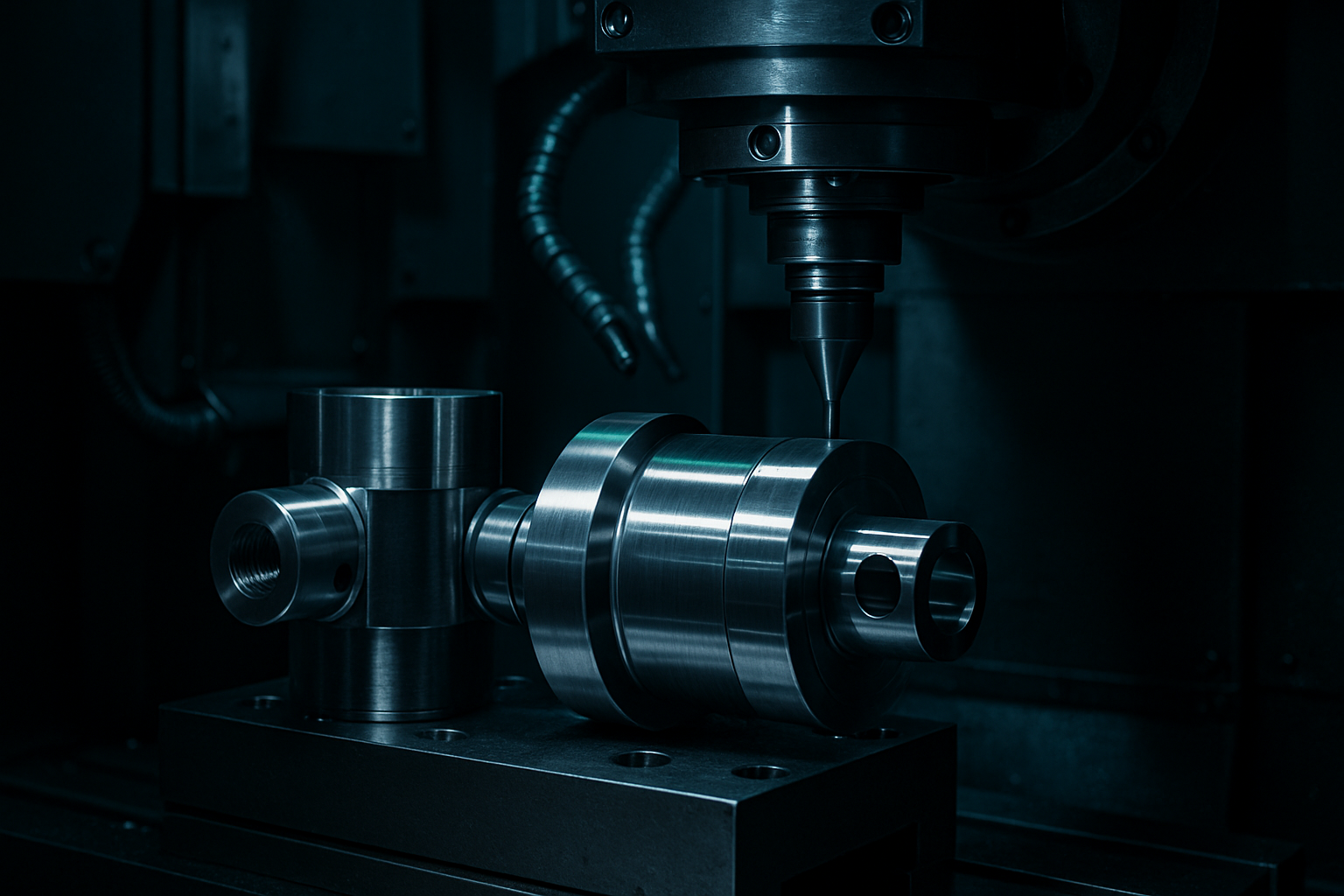
Understanding Tolerances in CNC Machining: IT Grades Explained for Engineers
Tolerances are a critical aspect of CNC machining that directly influence part quality and manufacturing costs. In Australia, adhering to tight tolerances can be particularly challenging due to supply chain logistics, material availability, and environmental factors. This guide aims to clarify the ISO 286 standard tolerance classes (IT grades) and provide actionable advice for Australian engineers, procurement managers, and manufacturing professionals.
IT Grades Overview
The ISO 286 standard defines tolerances in terms of "tolerance zones" that are grouped into Tolerance Classes or IT grades. These range from the least precise IT14 to the most precise IT01. Each grade is defined by a specific tolerance value, which determines how tightly parts can be machined relative to their nominal dimensions.
- IT6 and above (High Precision): Ideal for aerospace components, medical devices, or high-performance tools where fit and function are critical.
- IT7-IT9 (Medium Precision): Common in automotive, industrial machinery, and consumer electronics. These grades strike a balance between cost and precision.
- IT10-IT14 (Low Precision): Suitable for prototyping, low-cost products, or parts with less stringent performance requirements.
Choosing the Right IT Grade
Selecting an appropriate tolerance grade involves weighing several factors:
-
Part Functionality: Critical components may require tighter tolerances to ensure optimal fit and function. For instance, precision fits in mechanical assemblies often necessitate an IT7 or higher.
-
Material Properties: Softer materials like aluminium (Al 6061) or PEEK can be machined more precisely than harder metals such as titanium or stainless steel (316). Therefore, softer materials may allow for tighter tolerances at lower costs.
-
Manufacturing Complexity and Lead Times: Higher precision demands longer machining times and increased setup complexity. For example, achieving an IT7 grade on a CNC lathe might require multiple setups, affecting lead times and increasing costs. In Australia, where specialized machines can be harder to find due to supply chain issues, opting for less precise grades like IT9 could save significant time and money.
Common Mistakes to Avoid
-
Over-specifying Tolerances: Tighter tolerances often come with higher costs and longer lead times. Engineers should specify the least restrictive tolerance that meets performance requirements.
-
Ignoring Material Characteristics: Each material has its own machining characteristics. For example, while aluminium 6061 is relatively easy to machine to tight tolerances (IT7), titanium's high hardness makes it more challenging and expensive to achieve the same level of precision.
-
Neglecting Local Supply Chain Realities: Australian manufacturers may face challenges sourcing specific grades or types of materials due to distance from suppliers. It’s crucial to consider these factors when designing parts with tight tolerances.
Quick Reference
- Precision Components (Aerospace, Medical): IT6 - IT8
- General Industrial Use (Automotive, Machinery): IT7 - IT9
- Prototypes and Low-Cost Products: IT10 - IT12
- Consider Material Hardness and Machining Ease
- Balance Precision Needs with Cost and Lead Time Constraints
Practical Takeaway
By understanding the nuances of IT grades and how they affect material selection, manufacturing costs, and lead times, Australian engineers can make informed decisions that optimize their designs for both performance and efficiency. For instance, choosing an IT9 grade over a tighter IT6 might save thousands in machining costs while still meeting most mechanical requirements. Always start with the least restrictive tolerance that meets your needs to maximize cost-efficiency.
Remember, consulting directly with CNC manufacturers or materials suppliers can provide tailored advice based on current market conditions and local manufacturing capabilities.
Free quote in 2 business days. No minimum order.