Tolerances in CNC Machining IT Grades Explained For Engineers
Rapid Manufacturing
Author
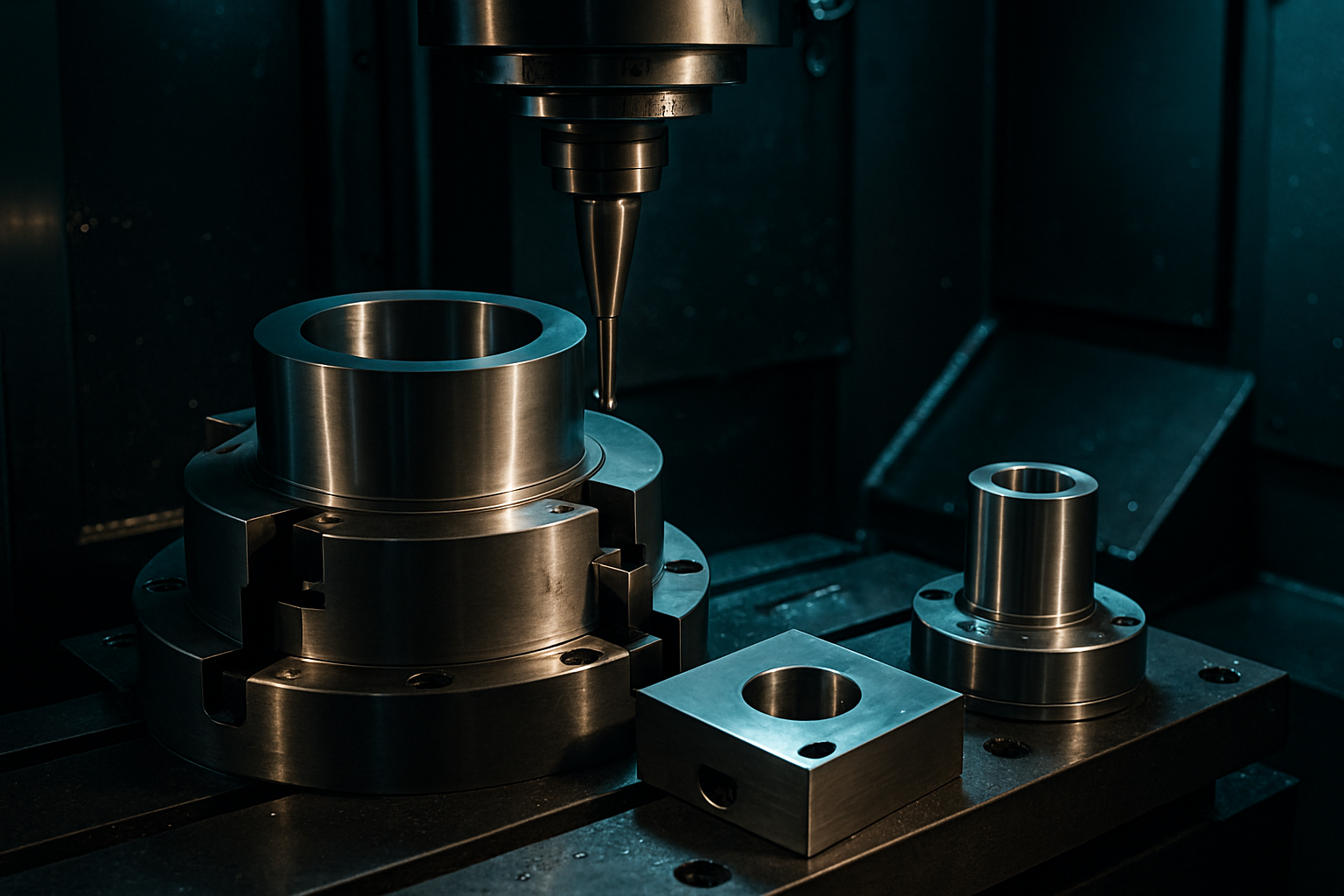
Understanding Tolerances in CNC Machining: IT Grades Explained for Australian Engineers
Tolerances play a critical role in ensuring that machined parts meet design specifications and functional requirements. In Australia, adhering to international standards while considering local manufacturing realities is crucial for cost-effective and efficient production. This article delves into the specifics of tolerances in CNC machining, focusing on IT grades and their implications.
What Are IT Grades?
IT (International Tolerance) grades are standardized tolerance classes defined by ISO 286:1988 and ASME Y14.5M-1994 standards. These grades specify the permissible variations between actual dimensions of a machined part and its intended design dimensions. The higher the IT grade number, the tighter the tolerances.
Australian engineers often deal with a mix of Australian Standards (AS) and international standards like ISO and ANSI. For instance, AS 1289-3 specifies surface finish requirements that must be considered alongside tolerance grades when selecting materials and processes for CNC machining.
Material Recommendations Based on IT Grades
Choosing the right material is critical to achieving desired tolerances in CNC machined parts:
- Steel (S45C): Commonly used for medium tolerance applications due to its good machinability. IT 8 - IT 10 grades are suitable, with costs ranging from $3-$6 per kg depending on purity and grade.
- Aluminium (6061-T6): Excellent for high-tolerance parts where weight is a concern. IT 5 - IT 7 grades can be achieved, costing approximately $2-$4 per kg.
- Brass (CZ101): Ideal for intricate components requiring smooth finishes and tight tolerances, suitable for IT 3 - IT 6 grades, with costs around $8-$12 per kg.
When selecting materials, it’s crucial to balance cost against required precision. For example, using brass instead of steel can significantly increase costs but may be necessary for components where surface finish is paramount.
Common Mistakes and Decision Frameworks
Avoid common pitfalls in tolerance selection:
- Over-specifying tolerances: Tighter tolerances (lower IT grades) increase machining time and tool wear, driving up costs. Choose X when Y: Opt for a less stringent grade if the part’s function allows it.
- Ignoring material properties: Some materials are more forgiving to tight tolerances than others. Z when W: Select aluminium over brass for parts requiring high precision but not demanding extreme surface finishes.
For instance, in Australia, supply chain disruptions may affect availability of certain metals like titanium or exotic alloys. Choosing a locally sourced and readily available alternative can reduce lead times and costs without compromising quality.
Quick Reference
- Tolerance Grade Selection: Choose IT 6 for high-tolerance applications requiring precise fits; opt for IT 8 - IT 10 for medium to low tolerance components.
- Material Cost vs Precision: Steel (S45C) at $3-$6 per kg is ideal for medium tolerances, while aluminium (6061-T6) at $2-$4 per kg suits high-tolerance needs.
- Decision Frameworks:
- Over-specifying: Avoid unless necessary. Choose X when Y (functionality allows).
- Material Properties: Consider material limitations. Z when W (availability and properties align).
Practical Takeaway
Understanding IT grades and their implications in CNC machining is key to optimizing manufacturing processes in Australia. By selecting the right tolerance grade and matching it with appropriate materials, engineers can achieve cost-effective production while meeting design specifications.
This knowledge enables better communication between designers, manufacturers, and procurement managers, ensuring that Australian standards are met without unnecessary expense or delay.
Free quote in 2 business days. No minimum order.