Titanium CNC Machining Challenges And Best Practices
Rapid Manufacturing
Author
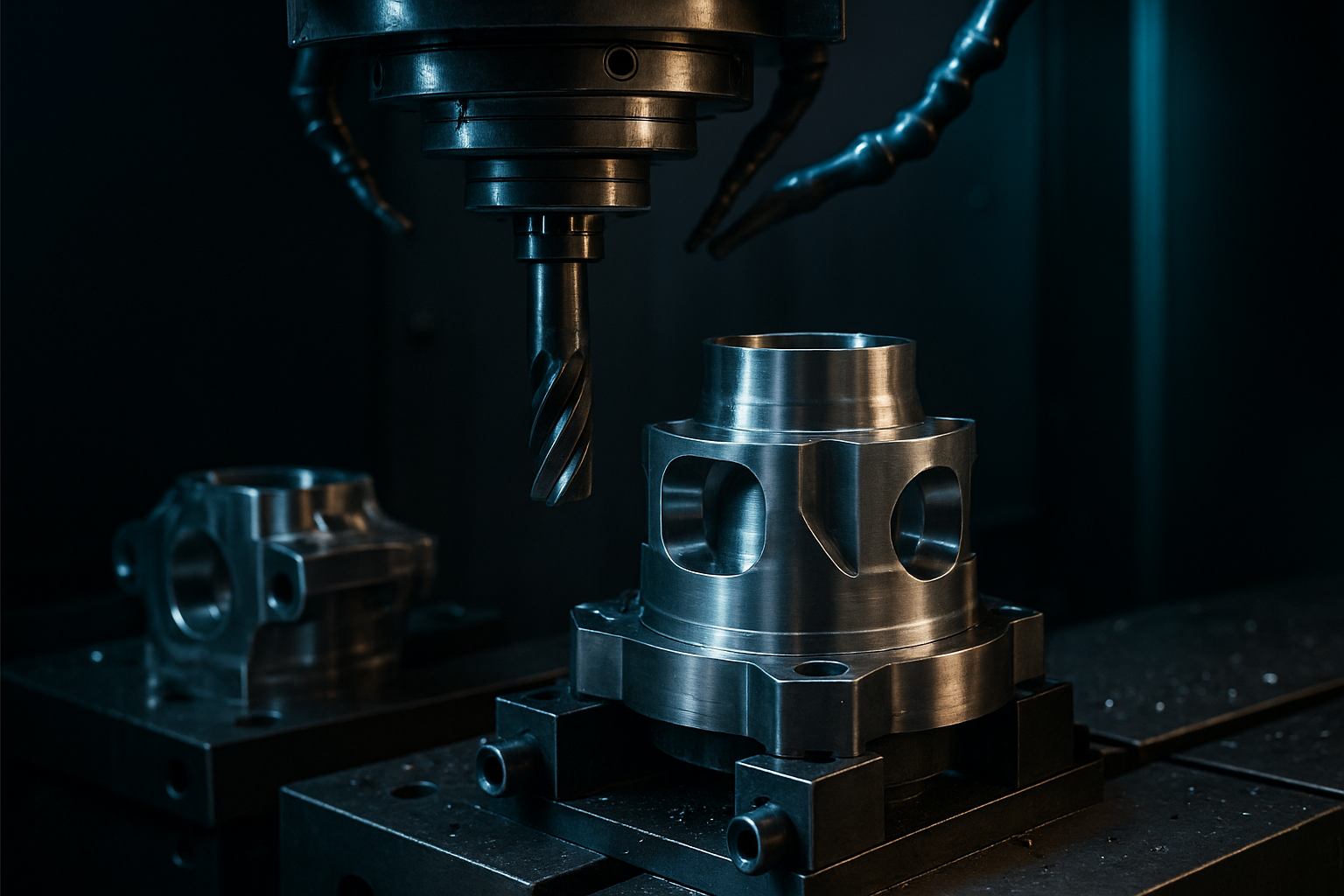
Introduction to Titanium CNC Machining in Australia
Titanium is a highly sought-after material for its strength-to-weight ratio and corrosion resistance, making it ideal for aerospace, medical, and high-performance industrial applications. However, machining titanium presents unique challenges due to its low thermal conductivity and tendency to work harden. This article aims to guide Australian engineers, procurement managers, and manufacturing professionals through the intricacies of Titanium CNC machining with a focus on practical considerations, best practices, and common pitfalls.
Material Selection: Why Choose Titanium?
Titanium's properties make it an excellent choice for high-stress environments where weight reduction is crucial. In Australia, materials like Aluminium 6061 or Stainless Steel 316 might be cheaper and easier to machine, but they fall short in terms of fatigue strength and corrosion resistance compared to titanium alloys such as Ti-6Al-4V.
When deciding whether to use titanium, consider:
- Applications with high stress and corrosive environments.
- Weight reduction targets without compromising strength (e.g., aerospace or marine equipment).
- Cost sensitivity: while initial costs are higher ($500–800/kg), long-term durability often offsets this.
Best Practices for Titanium CNC Machining
Tool Selection and Maintenance
High-quality, specialized tools are essential when machining titanium. Tools made from cemented carbide with PVD coatings typically offer better wear resistance than HSS (high-speed steel) under the extreme conditions of titanium processing. Regular tool condition checks are crucial to avoid premature failure or poor surface finish.
Coolant Management
Cooling is a critical aspect of titanium machining due to its low thermal conductivity and tendency to heat up quickly during cutting. Use water-based emulsions with high lubricity at an optimal flow rate (typically 1–2 liters per minute) to prevent work hardening and reduce tool wear.
Speed and Feed Rates
Adjusting speeds and feeds correctly is vital for achieving good surface finish and maintaining tool life. For Ti-6Al-4V, a typical starting point would be:
- Cutting speed (v): 20–35 m/min
- Feed rate (f): 0.1–0.2 mm/rev
These values can vary based on the specific machine capabilities and material condition.
Cycle Time Management
Australian CNC machining shops typically operate at rates between $120–$300/hr, with titanium parts often requiring longer cycle times due to slower cutting speeds and frequent tool changes. Effective part design that minimises material removal (e.g., through pocket milling or slotting techniques) can significantly reduce costs.
Common Mistakes to Avoid
- Underestimating Material Hardness: Titanium alloys like Ti-6Al-4V are exceptionally hard, especially after machining. Always use harder tools and adjust cutting parameters accordingly.
- Inadequate Cooling: Insufficient coolant flow is a common cause of tool wear and poor surface finish in titanium parts. Ensure consistent and appropriate cooling throughout the operation.
- Ignoring Tool Wear: Titanium's tendency to work harden means that tool wear can occur rapidly if not managed properly. Regularly inspecting and replacing worn tools is essential.
Quick Reference: Key Specifications for Titanium Machining
- Material Cost: $500–800/kg
- Coolant Type: Water-based emulsion with high lubricity
- Recommended Cutting Speed (v): 20–35 m/min
- Feed Rate (f): 0.1–0.2 mm/rev
- Machine Shop Rates: $120–$300/hr
Conclusion: Applying What You’ve Learned
Understanding the unique demands of titanium machining allows Australian manufacturers to leverage this material's superior properties effectively while managing costs and operational challenges efficiently. By focusing on tool selection, coolant management, speed/feed adjustments, and avoiding common pitfalls, engineers can ensure high-quality output that meets both functional requirements and budget constraints.
Apply these principles in your next project involving titanium parts, starting with a thorough review of your machining parameters and cooling strategies. This proactive approach will help you produce reliable components while maintaining competitiveness within the Australian market.
Free quote in 2 business days. No minimum order.