Titanium CNC Machining Challenges And Tips For Success
Rapid Manufacturing
Author
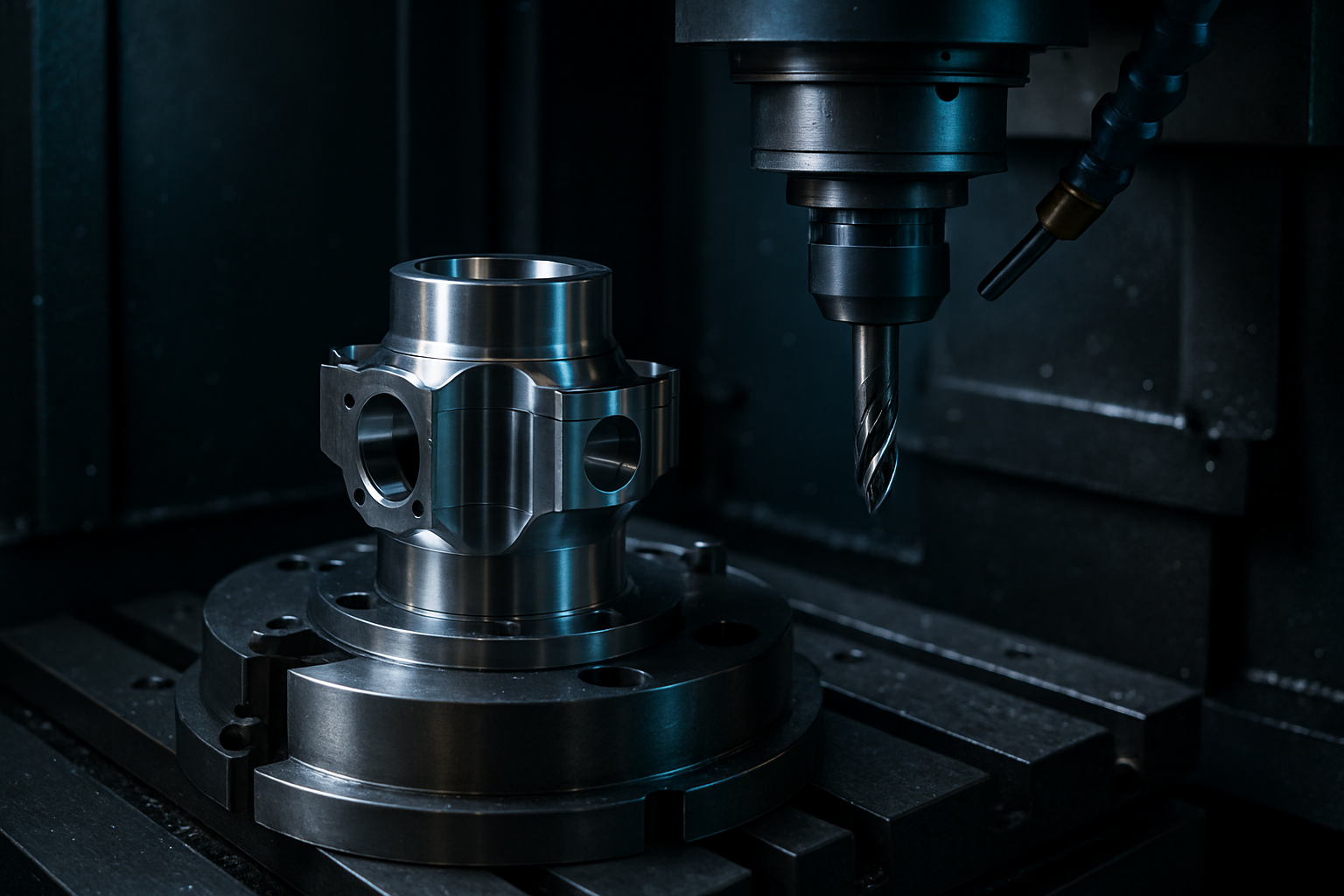
Understanding Titanium CNC Machining Challenges in Australia
Titanium is a prized material for its strength-to-weight ratio and corrosion resistance, making it ideal for aerospace, medical devices, and high-end engineering applications. However, machining titanium presents unique challenges due to its hardness and tendency to work harden quickly. Australian manufacturers must navigate these challenges carefully to ensure quality parts and efficient production.
Material Selection: Choosing the Right Grade of Titanium
When selecting a titanium grade for CNC machining in Australia, it's essential to consider both performance requirements and cost implications. Commonly used grades include:
-
Grade 2 (Ti-6Al-4V): This is one of the most widely used alloys due to its balance between strength, corrosion resistance, and workability. However, it can be expensive at approximately $700/kg.
-
Grade 5 (Ti-3Al-2.5V): Known for its high tensile strength but slightly less malleable than Grade 2. It is priced around the same as Grade 2.
For applications requiring extreme durability and corrosion resistance, Grade 9 (Ti-6Al-4V ELI) might be necessary despite higher costs of up to $800/kg. Always consult with material suppliers for current pricing and availability in Australian supply chains.
Best Practices for Titanium CNC Machining
To achieve optimal results while minimizing waste and production time, follow these best practices:
-
Use Suitable Tooling: High-quality carbide tools designed specifically for titanium are essential. Common tool materials include tungsten carbide coated with diamond-like carbon (DLC) or TiAlN coatings to enhance wear resistance.
-
Optimize Cutting Parameters: Set your machines for slower cutting speeds and higher feed rates compared to other metals. For example, a typical speed might be 10-30 m/min with feed rates of 0.15-0.4 mm/rev.
-
Coolant Management: Ensure proper coolant application to prevent heat build-up that can lead to work hardening and tool wear. Water-based emulsions are often effective but require precise management for best results.
Common Pitfalls and How to Avoid Them
Several mistakes frequently arise during titanium machining processes:
-
Underestimating Material Hardness: Failing to account for the high hardness of titanium can result in rapid tool wear and subpar part quality. Always use dedicated cutting tools designed for titanium.
-
Improper Tool Clearance: Inadequate clearance angles on cutters can cause excessive heat buildup, leading to poor surface finishes and premature tool failure.
Quick Reference:
- Common Materials: Grade 2 (Ti-6Al-4V), Grade 5 (Ti-3Al-2.5V)
- Tooling Recommendations: DLC-coated carbide tools
- Cutting Speeds: 10-30 m/min
- Feed Rates: 0.15-0.4 mm/rev
By adhering to these guidelines, Australian manufacturers can maximize the benefits of titanium CNC machining while overcoming its inherent challenges.
Conclusion: Applying Best Practices Today
Implementing best practices in titanium CNC machining is crucial for maintaining high standards and meeting stringent project requirements. Begin by reviewing your existing processes against the outlined recommendations. Contact material suppliers to ensure you have access to high-quality, cost-effective titanium alloys. By adopting these strategies, you can enhance part quality, reduce waste, and achieve more efficient manufacturing operations.
This practical approach will not only improve your operational efficiency but also strengthen your competitive edge in Australian engineering markets.
Free quote in 2 business days. No minimum order.