Swiss Machining Precision for Tiny Parts Unveiled
Rapid Manufacturing
Author
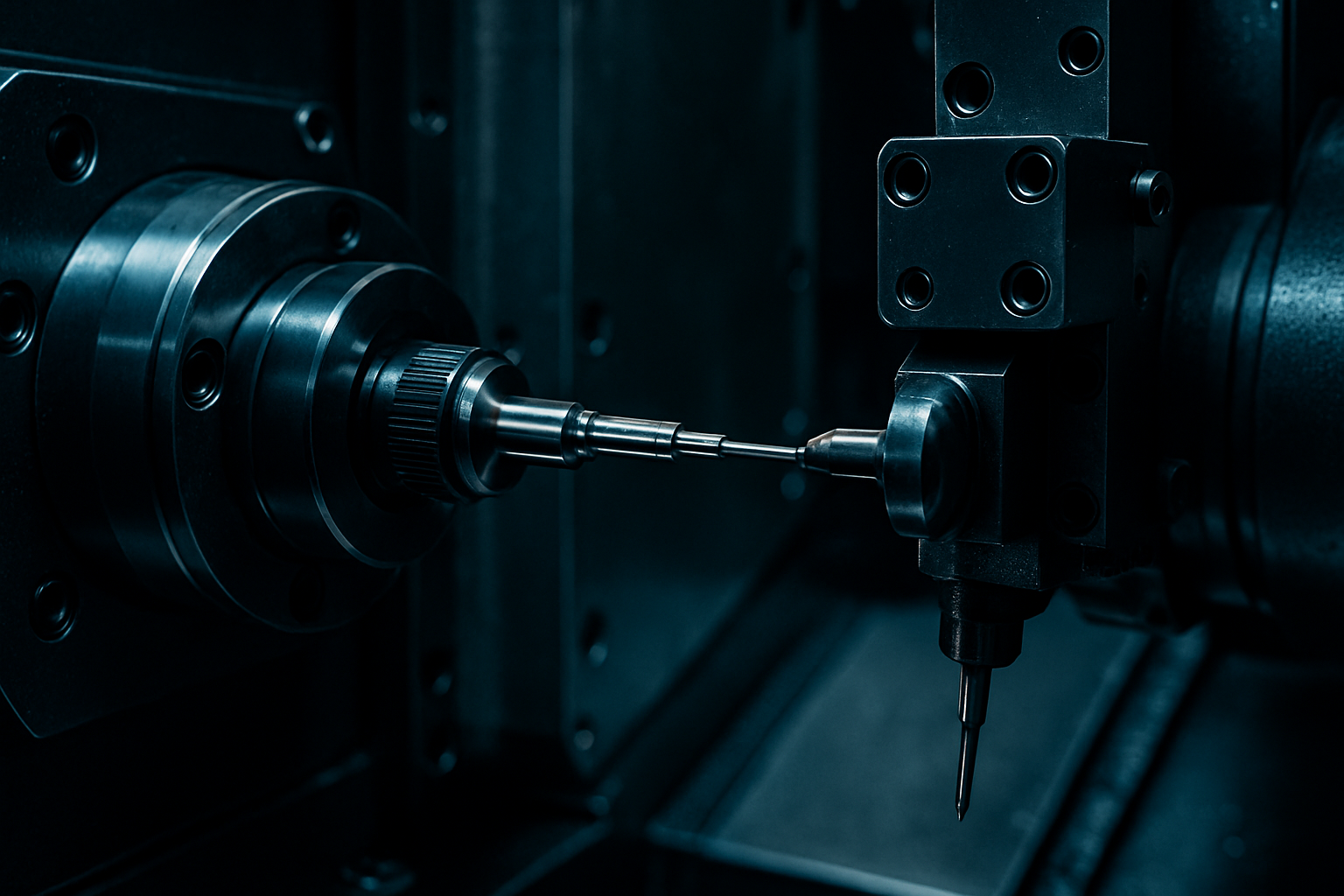
Swiss Machining: Precision for Small Diameter Parts in Australia
Swiss machining is a precision manufacturing process that excels in producing small diameter parts with tight tolerances and intricate designs. For Australian engineers and procurement managers, understanding how to leverage this technique can significantly enhance the quality of your products while managing costs effectively.
Material Selection and Cost Considerations
When selecting materials for Swiss machined parts, consider both performance requirements and economic factors. Here are some common choices along with their typical billet prices in Australia:
-
Aluminium 6061: Approximately $25–45/kg
This alloy is lightweight and corrosion-resistant, making it ideal for applications requiring high strength-to-weight ratios. -
Stainless Steel 316: Approximately $70–130/kg
Stainless steel offers excellent mechanical properties and superior resistance to harsh environments. It's a go-to material in industries like medical devices where hygiene is critical. -
Titanium: Approximately $500–800/kg
Titanium has exceptional strength, corrosion resistance, and lightweight characteristics. It’s ideal for aerospace components but comes with higher costs due to its rarity and machining complexity. -
PEEK (Polyether Ether Ketone): Approximately $800–1,600/kg
PEEK is a high-performance thermoplastic offering excellent mechanical properties and thermal stability, making it suitable for applications in the medical and aerospace industries where temperature resilience is crucial.
Common Mistakes to Avoid
Machining small diameter parts with Swiss technology requires careful planning. Here are some critical mistakes to avoid:
-
Overlooking Material Properties: Selecting materials without considering their machinability can lead to increased tool wear, longer processing times, and higher costs.
-
Inadequate Tolerance Specifications: For precision components like medical implants or mechanical parts with tight fits, tolerance specifications should be extremely precise (typically ±0.01 mm).
-
Ignoring Process Flexibility: Swiss machines are designed for high versatility but require proper programming to achieve optimal performance and cost-efficiency.
Decision Framework: Choose the Right Approach
When deciding between Swiss machining and other manufacturing processes like traditional CNC or 3D printing, consider these key factors:
-
Component Size: For parts with diameters under 25 mm, Swiss machining offers a significant advantage in terms of surface finish and dimensional accuracy.
-
Complexity Requirements: Intricate features such as tight tolerances, small bores, deep holes, and precision threading are better suited to Swiss machining.
-
Batch Quantity: Small batch sizes (1–10 pieces) can still benefit from the efficiency gains offered by Swiss machines, but larger volumes (>50 pieces) may warrant a cost-benefit analysis with traditional CNC or injection molding for economies of scale.
Quick Reference
- Material Options: Aluminium 6061, Stainless Steel 316, Titanium, PEEK
- Tolerances: ±0.01 mm for precision components
- Processing Costs: $120–$300/hr machining rates (verify with local suppliers)
Practical Takeaway
By choosing the right material and understanding the capabilities of Swiss machining, Australian manufacturers can produce high-quality small diameter parts that meet stringent industry requirements while keeping costs in check. Always consult with a machining expert to ensure your design is optimized for both performance and manufacturability.
For immediate application, review existing part designs to identify opportunities where precision tolerances or complex geometries would benefit from Swiss machining.
Free quote in 2 business days. No minimum order.