Swiss Machining Precision For Tiny Parts Explained
Rapid Manufacturing
Author
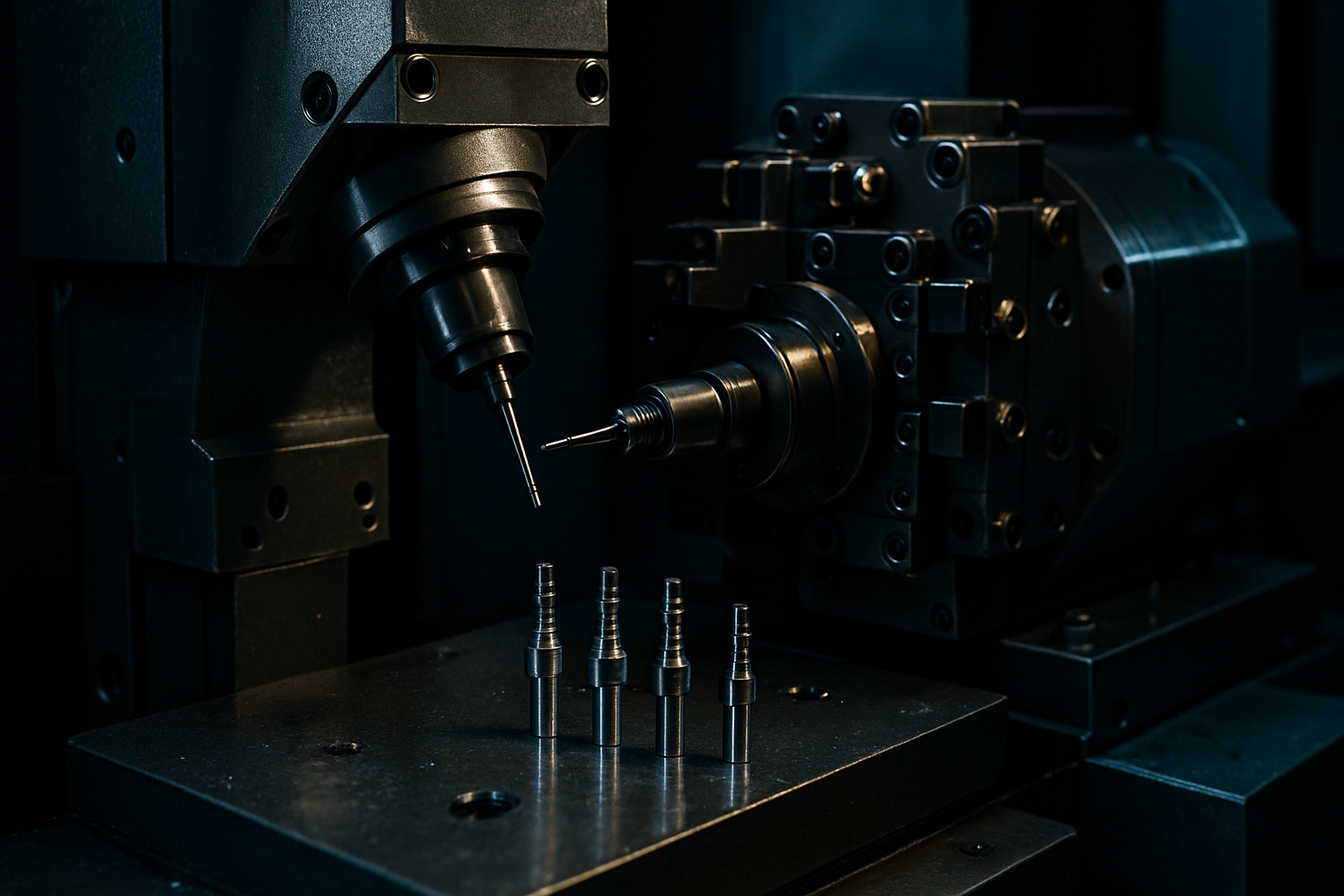
Swiss Machining: Precision for Small Diameter Parts in Australia
Swiss machining is a specialized form of CNC machining that excels at producing parts with small diameters and high tolerances—often less than 10 mm across. This technique is particularly beneficial for Australian engineers and manufacturing professionals who need intricate components, such as medical devices, electronic connectors, or precision instruments.
Why Swiss Machining in Australia?
Swiss machining offers a unique set of advantages for Australian manufacturers looking to maintain local supply chain integrity while adhering to stringent quality standards:
- Precision: Capable of achieving tolerances down to ±0.01 mm (±0.0004 inches), making it ideal for applications requiring tight specifications.
- Complexity: Suitable for producing components with multiple diameters, tapers, and complex geometries in a single operation.
- Material Efficiency: Optimized feed rates minimize material waste, which is crucial when working with expensive materials like titanium or PEEK.
Material Recommendations
Choosing the right material is critical to achieving optimal performance and cost-effectiveness:
- Aluminium 6061 (~$25–45/kg): Lightweight and corrosion-resistant, ideal for applications requiring a balance between strength and ease of machining.
- Stainless Steel 316 (~$70–130/kg): Highly resistant to corrosive environments and suitable for harsh chemical or marine conditions.
- Titanium (Ti) (~$500–800/kg): Excellent strength-to-weight ratio, making it a preferred choice in aerospace and medical applications despite its high cost.
Common Mistakes to Avoid
- Ignoring Material Properties: Not considering the workability of materials can lead to increased machining times or material wastage.
- Overlooking Part Design: Complex geometries that are difficult to machine may result in higher costs and longer lead times.
- Neglecting Quality Control: Ensuring parts meet local standards, such as AS/NZS 1500 for medical devices, requires rigorous quality control measures.
Decision Framework
- Choose Swiss machining when: High precision and complex geometries are required, especially for diameters less than 20 mm.
- Consider alternative methods if: Large volumes or simple shapes make the process inefficient compared to other manufacturing techniques like injection moulding or stamping.
Quick Reference
- Tolerances: ±0.01 mm (±0.0004 inches)
- Materials:
- Aluminium 6061 (~$25–45/kg)
- Stainless Steel 316 (~$70–130/kg)
- Titanium (~$500–800/kg)
- Typical Lead Times: 1 to 2 weeks for prototype quantities, depending on complexity
- Average Machining Rates: $120–$300/hr
Practical Takeaway
By understanding the nuances of Swiss machining and its suitability for specific applications in Australia, you can optimize your manufacturing processes. For instance, when specifying a new component that requires tight tolerances and intricate design features, consider Swiss machining to ensure precision and efficiency.
Remember, the key lies in aligning material selection with process capability and adhering to local standards. This approach not only enhances product quality but also supports sustainable manufacturing practices within your supply chain.
Free quote in 2 business days. No minimum order.