Swiss Machining Precision For Tiny Parts Explained
Rapid Manufacturing
Author
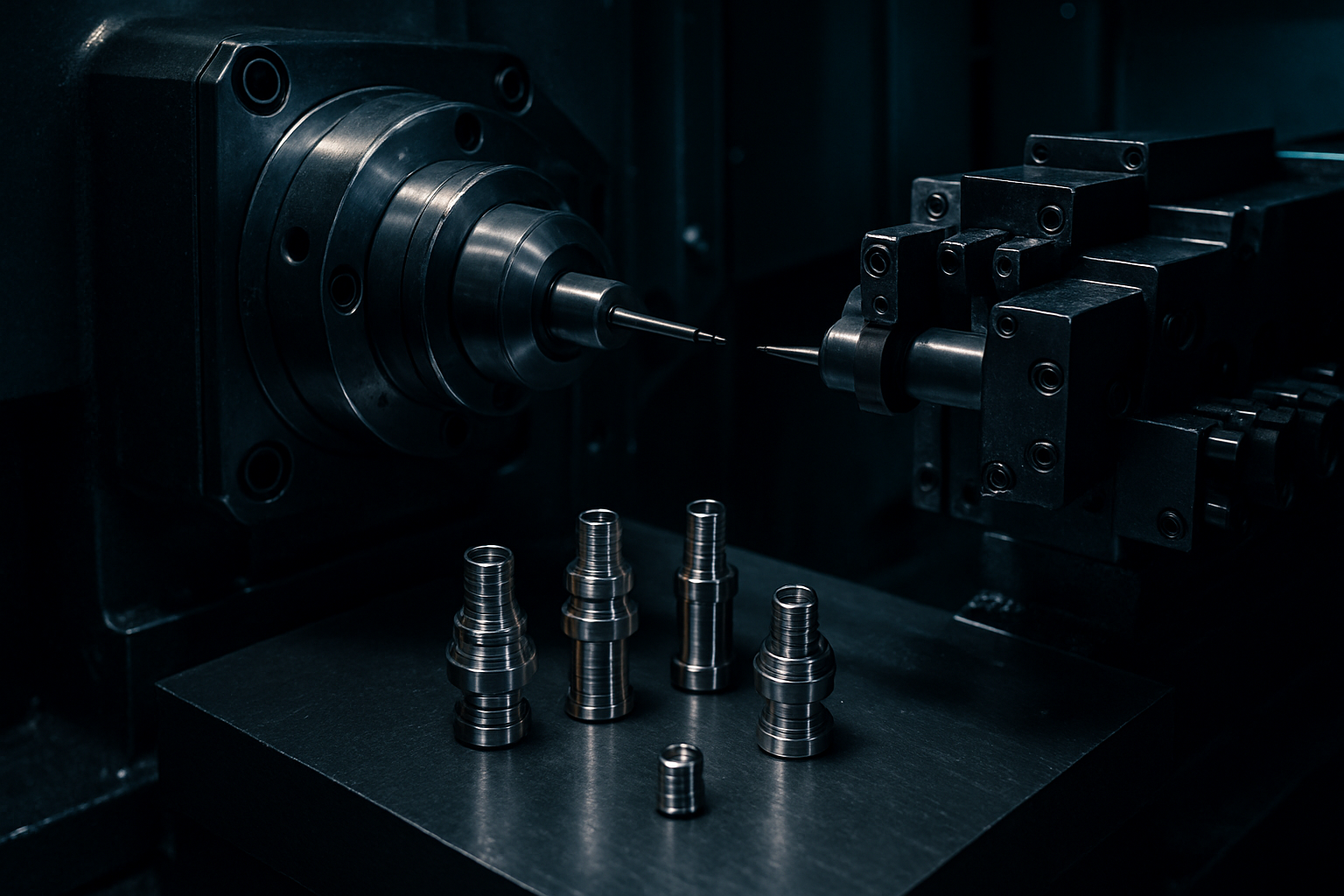
Swiss Machining: Precision for Small Diameter Parts in Australia
Swiss machining is a highly specialized method of precision manufacturing that excels in producing small diameter parts with tight tolerances and intricate details. This process is particularly advantageous for Australian engineers, procurement managers, and manufacturing professionals working on components such as medical devices, aerospace parts, or automotive components where size and accuracy are paramount.
Material Recommendations
When selecting materials for Swiss machining projects in Australia, it's crucial to consider both the mechanical properties required by your application and the availability of raw material billets. Below are some recommended materials and their advantages:
-
Aluminium 6061 (about $25–45/kg): Offers excellent strength-to-weight ratio, corrosion resistance, and good machinability. Ideal for non-critical parts or prototypes.
-
Stainless Steel 316 (about $70–130/kg): Provides superior corrosion resistance, high durability, and is suitable for components exposed to harsh environments.
-
Titanium (about $500–800/kg): Extremely strong yet lightweight with excellent biocompatibility. Best used in aerospace or medical applications where weight reduction and strength are critical.
-
PEEK (about $800–1,600/kg): Highly resistant to chemicals, wear, and fatigue with good mechanical properties at high temperatures. Ideal for parts requiring long-term stability under harsh conditions.
Common Mistakes to Avoid
While Swiss machining can deliver exceptional precision and quality, there are several pitfalls that Australian manufacturers often encounter:
-
Overlooking Surface Finish Requirements: Ensure your part's surface finish is specified in micrometers (µm) rather than arbitrary values. A rough surface can affect component performance and lifespan.
-
Ignoring Toolpath Strategies: The machining process itself greatly influences the final quality of small parts. Optimize toolpaths for high-speed cutting to avoid unnecessary wear on tools and machinery.
-
Neglecting Lead Time Management: Swiss machining typically involves longer lead times due to the complexity of setups and programming. Factor in this delay when planning your manufacturing schedule.
Decision Frameworks
Choosing the right material, process, or supplier can significantly impact your project's success. Here are some guiding principles for decision-making:
-
Choose Aluminium 6061 over Stainless Steel 316 when corrosion resistance is not a critical factor but cost savings and reduced weight are important.
-
Opt for Titanium over other materials when high strength-to-weight ratio, durability, and biocompatibility are essential, such as in aerospace or medical implants.
-
Select Swiss machining over conventional CNC milling when parts have tight tolerances (within ±0.025mm), intricate features like holes or threads, and diameters under 12.7mm.
Quick Reference
-
Material Selection:
- Aluminium 6061 for cost efficiency.
- Stainless Steel 316 for corrosion resistance.
- Titanium for high strength-to-weight ratio.
- PEEK for chemical resistance.
-
Precision Requirements: Aim for ±0.025mm tolerances, surface finish of <0.8µm Ra.
-
Lead Time Consideration: Allow additional weeks for complex setups and programming in Swiss machining processes.
Practical Takeaway
Understanding the nuances of Swiss machining can significantly enhance your ability to meet strict engineering requirements while maintaining cost-effectiveness. By selecting appropriate materials, optimizing process strategies, and factoring in realistic lead times, you'll be better equipped to deliver high-quality components that stand up to Australian manufacturing standards.
Free quote in 2 business days. No minimum order.