Swiss Machining Precision For Tiny Parts Explained
Rapid Manufacturing
Author
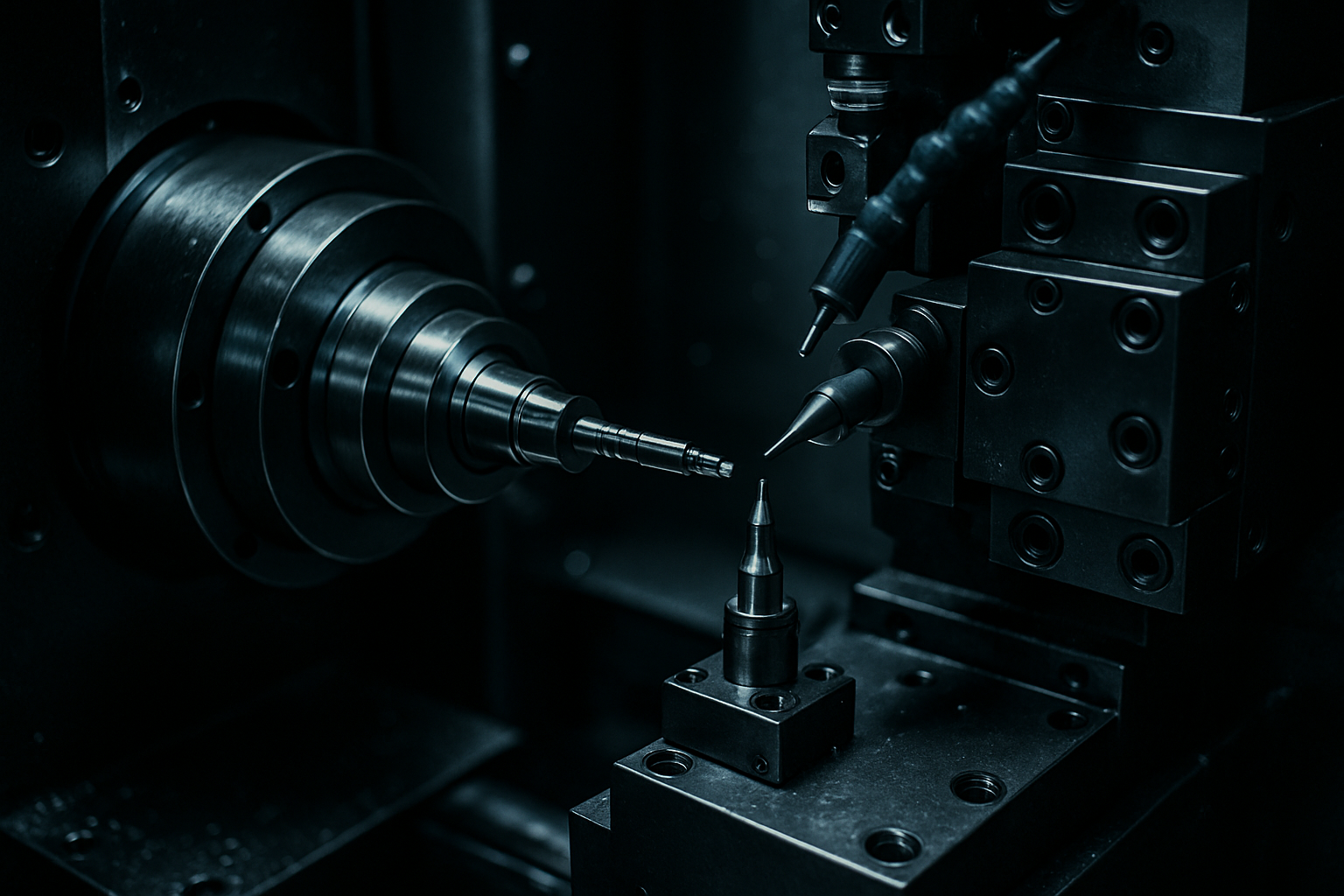
Swiss Machining: Precision for Small Diameter Parts in Australia
Swiss machining offers an unparalleled level of precision and efficiency when manufacturing small diameter parts—vital components across various industries such as medical devices, automotive, aerospace, and electronics. In this context, Australian engineers, procurement managers, and manufacturing professionals need to understand the nuances and best practices associated with Swiss machining.
Material Selection for Swiss Machining
Choosing the right material is crucial in Swiss machining, especially when dealing with tight tolerances and small diameters. Here are some commonly used materials:
- Aluminium 6061: Economical and lightweight, aluminium is ideal for prototypes or non-critical parts that require rapid production.
- Stainless Steel 316: Offers excellent corrosion resistance and strength-to-weight ratio, making it suitable for harsh environments where hygiene and longevity are critical.
- Titanium Alloys (Ti6Al4V): Extremely durable with high strength-to-weight ratios. Ideal for aerospace and medical applications but comes at a higher cost.
Quick Reference Material Tips
- Use Aluminium 6061 when rapid prototyping or cost is a priority, ~$25–45/kg.
- Opt for Stainless Steel 316 in corrosive environments or high-wear areas, ~$70–130/kg.
- Select Titanium Alloys Ti6Al4V for aerospace and medical parts requiring strength and durability, ~$500–800/kg.
Common Mistakes to Avoid
Swiss machining can be complex due to its precision requirements. Here are some common pitfalls to avoid:
- Overlooking Material Hardness: When selecting materials like stainless steel or titanium, ensure your CNC shop is equipped with the right tools and expertise to handle harder materials.
- Neglecting Part Design for Machining Efficiency: Poorly designed parts can lead to increased machining time and higher costs. Optimize part geometry to minimize material waste and reduce cycle times.
- Ignoring Surface Finish Requirements Early in Design Phase: Ensure that surface finish requirements are addressed early in the design phase to avoid costly rework later.
Decision Framework for Choosing Swiss Machining
Choosing between traditional CNC machining and Swiss machining depends on specific criteria:
- Choose Swiss Machining when high precision is required (tolerances < ±0.01mm) and parts have small diameters (<25mm).
- Opt for Traditional CNC machining if material hardness is extremely high or part dimensions exceed the capabilities of a Swiss machine.
Australian manufacturers often face supply chain challenges, including delays in sourcing materials from international suppliers. By choosing local suppliers offering Australian standard materials like 6061 Aluminium billets, you can reduce lead times and ensure quality compliance with Australian Standards (AS/NZS).
Takeaway
Understanding the nuances of Swiss machining is crucial for manufacturing small diameter parts efficiently in Australia. Careful material selection, avoidance of common mistakes, and a thoughtful decision framework will help engineers and procurement managers optimize their production processes. By leveraging local supply chains and adhering to industry standards, Australian manufacturers can achieve high precision while maintaining operational efficiency.
For practical application, start by reviewing your current part designs with Swiss machining in mind. If you're working on small diameter parts that require tight tolerances, consider how material hardness impacts machining costs and lead times. Adjustments here could significantly impact both cost and quality outcomes.
Free quote in 2 business days. No minimum order.