Sustainable Manufacturing in Australia Through CNC Machining
Rapid Manufacturing
Author
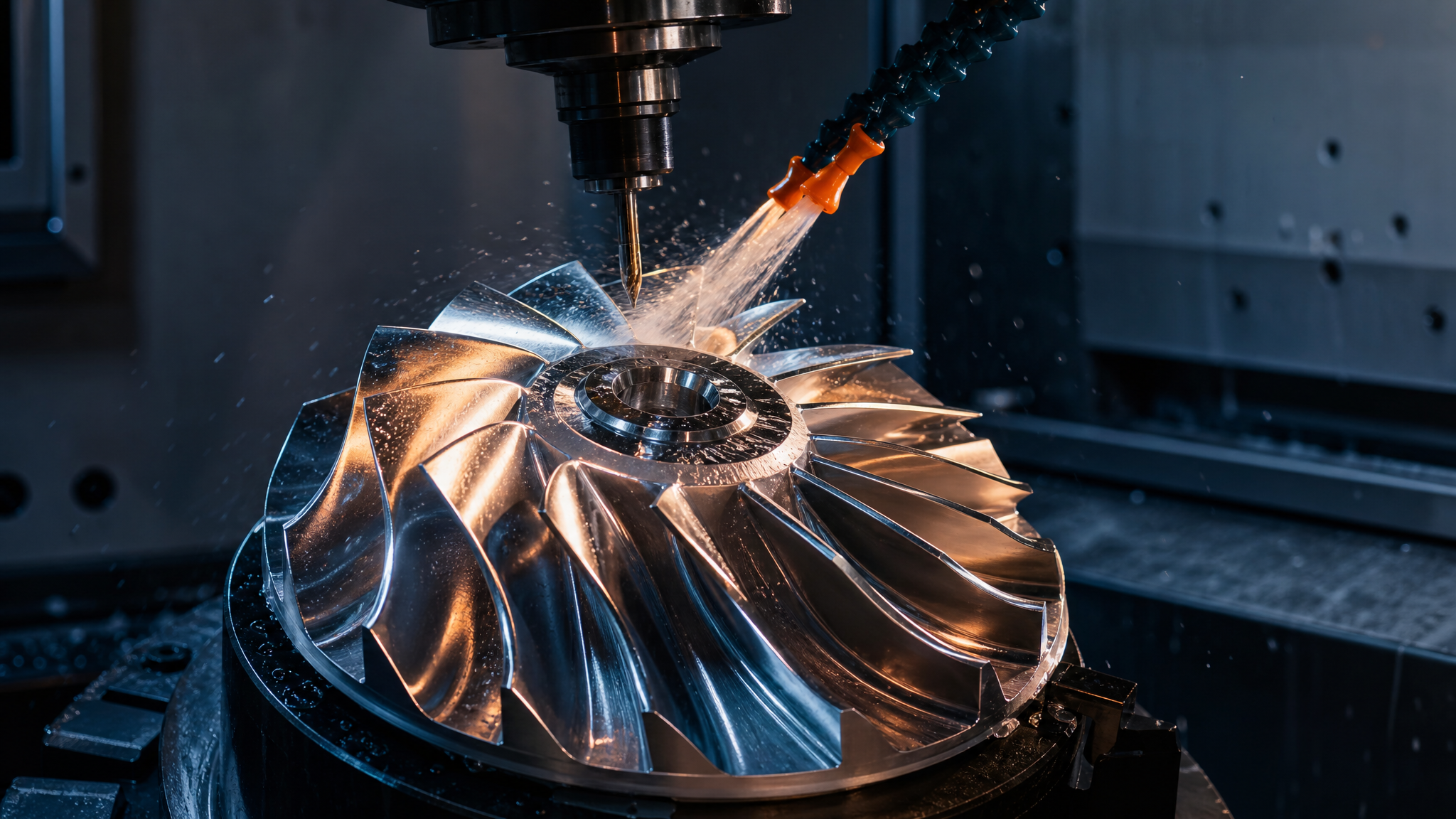
Embracing Sustainable Manufacturing Practices in CNC Machining
The manufacturing sector in Australia faces unique challenges and opportunities, particularly with respect to sustainability. As engineers and procurement managers seek to reduce environmental impact while maintaining operational efficiency, CNC machining presents both a challenge and an opportunity. This article explores how Australian manufacturers can adopt sustainable practices within their CNC operations, focusing on practical advice tailored for the local context.
Leveraging Advanced Materials
One of the most direct ways to achieve sustainability in CNC machining is by choosing materials that are environmentally friendly without compromising performance or cost-effectiveness. For instance, recycled metals and alloys not only help reduce waste but also lower the overall carbon footprint associated with material sourcing. In Australia, where mining plays a significant role, utilizing locally sourced recycled metal can further support local economies while reducing transport emissions.
Moreover, using biodegradable polymers for certain applications offers another avenue to sustainability. These materials are ideal for prototyping and low-volume production runs due to their lower environmental impact compared to traditional thermoplastics. For example, polylactic acid (PLA), derived from renewable resources such as corn starch or sugarcane, is an excellent alternative that can be used in a variety of CNC machining applications.
Optimizing Machining Processes
Beyond material selection, process optimization is crucial for sustainable manufacturing. This involves refining machine settings and software configurations to minimize energy consumption and waste generation. For example, implementing adaptive control systems that adjust cutting speeds based on real-time data can significantly reduce power usage without compromising part quality or production time.
Australian manufacturers should also consider integrating advanced simulation tools into their design process. These tools allow for virtual testing of CNC machining operations before physical prototypes are created, thereby reducing material waste and energy consumption by identifying potential issues early in the development phase.
Embracing Circular Economy Principles
Adopting circular economy principles is another key strategy for sustainable manufacturing. This approach focuses on reusing materials through recycling or repurposing them into new products rather than treating them as waste. In Australia, this could mean partnering with local recycling facilities to create a closed-loop system within the supply chain.
For instance, companies can establish take-back programs where they collect used parts and components for remanufacturing or recycling. This not only reduces landfill usage but also provides a source of raw materials that are often less expensive than virgin metals due to lower processing costs.
Practical Tip: Collaborative Innovation
To truly embed sustainability within CNC machining practices, collaboration between manufacturers is essential. By sharing best practices and working together on research initiatives aimed at improving efficiency and reducing environmental impact, Australian companies can accelerate the adoption of sustainable manufacturing techniques across the industry. This collaborative approach fosters innovation while also leveraging collective resources to address common challenges.
In conclusion, embracing sustainable practices in CNC machining requires a multifaceted approach that includes careful material selection, process optimization, and adherence to circular economy principles. By focusing on these areas, Australian engineers and procurement managers can lead the way towards more environmentally responsible manufacturing without sacrificing productivity or quality.
Free quote in 2 business days. No minimum order.