CNC Parts Surface Finish Guide RA Values Explained
Rapid Manufacturing
Author
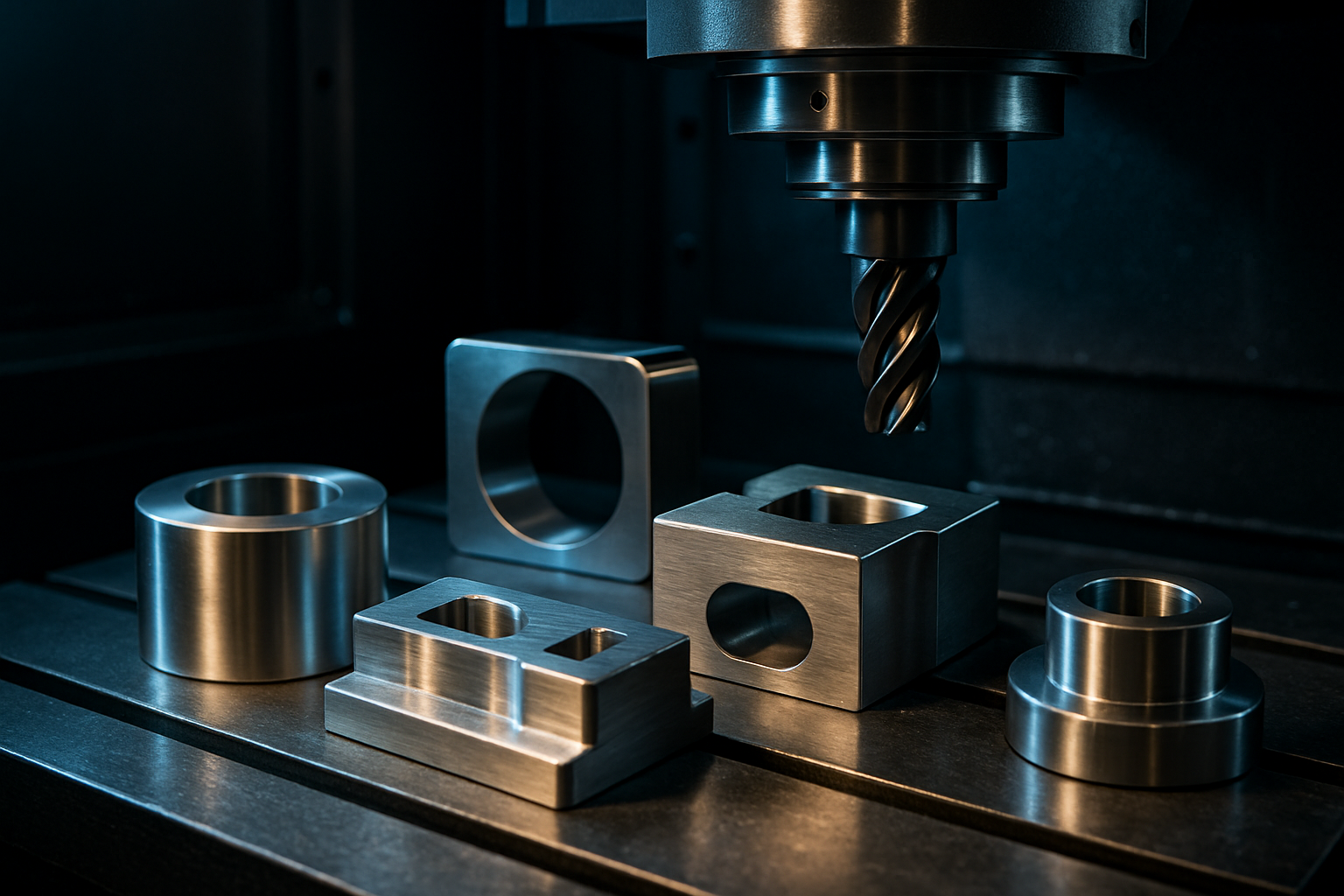
Understanding Ra Values for CNC Surface Finish in Australia
Surface finish on machined parts is critical to their function and appearance. In Australia, where stringent engineering standards coexist with a robust supply chain, selecting the right surface roughness (Ra) value can significantly impact part performance and cost-effectiveness.
What is Ra? Ra, or average roughness, quantifies the texture of a machined surface in micrometers (μm). Lower Ra values indicate smoother surfaces. Common industrial ranges are from 0.1 μm for highly polished parts to over 25 μm for coarse finishes suitable for structural applications.
Material Selection and Surface Finish
Choosing the right material is foundational, but it also affects which surface finish you can achieve cost-effectively:
- Aluminium 6061: Often used in aerospace and automotive components. For a high-quality Ra value of 0.8 μm, consider using a diamond polish after CNC machining to reduce roughness while maintaining tolerances. This process can add AU$5-$10 per part depending on complexity.
- Stainless Steel 316: Ideal for marine and chemical processing applications due to its corrosion resistance. Achieving an Ra value of 1.6 μm or lower typically requires additional polishing, costing approximately AU$20-$40 per piece based on current Australian machining rates.
- Titanium Alloys: Excellent strength-to-weight ratio but more costly to machine. A surface finish with an Ra below 3.2 μm is feasible but will increase machining time and cost significantly due to the material's hardness.
Common Mistakes in Surface Finish Selection
Avoid these pitfalls when determining your CNC part’s surface finish:
- Overlooking functional requirements: Ensure that the chosen Ra value meets both cosmetic and performance criteria, such as wear resistance or fluid flow.
- Neglecting machining cost implications: Higher quality finishes require more time and material, impacting lead times and budget. For example, achieving an Ra of 0.4 μm on a complex part could double the manufacturing cost compared to an Ra of 2.5 μm.
- Ignoring supplier capabilities: Not all CNC shops in Australia can achieve very fine finishes like Ra 0.1 μm without additional polishing or electropolishing steps, which adds significant cost.
Decision Framework for Selecting Surface Finish
Use these guidelines to determine the appropriate surface finish (Ra value) based on your project requirements:
- Choose Ra of 2.5 µm when you need a part that is both functional and aesthetically pleasing but not overly expensive.
- Select Ra below 0.8 µm when high precision or smoothness is crucial, such as in medical devices where tactile sensation matters.
- Opt for an Ra above 12.5 µm if your application doesn’t require a smooth surface and you’re working under budget constraints; this can reduce machining time by up to 30%.
Quick Reference: Key Specifications
- Aluminium 6061: Ideal for general engineering applications, easy to machine with an Ra range of 0.8 µm - 25 µm.
- Stainless Steel 316: Suitable for corrosive environments; aim for a surface finish between 0.8 µm and 6.4 µm.
- Titanium Alloys: High performance in harsh conditions, suitable Ra range is 0.4 µm - 25 µm.
Practical Takeaway
For your next CNC project, start by defining the functional requirements of surface finish early in the design phase. This will help you balance cost and quality effectively, leveraging Australian standards and supply chain efficiencies to deliver high-quality parts within budget constraints.
By understanding the nuances of Ra values and material selection tailored for Australia’s manufacturing landscape, you can enhance your part's performance while optimizing resource utilization.
Free quote in 2 business days. No minimum order.