CNC Parts Surface Finish RA Values Selection Guide
Rapid Manufacturing
Author
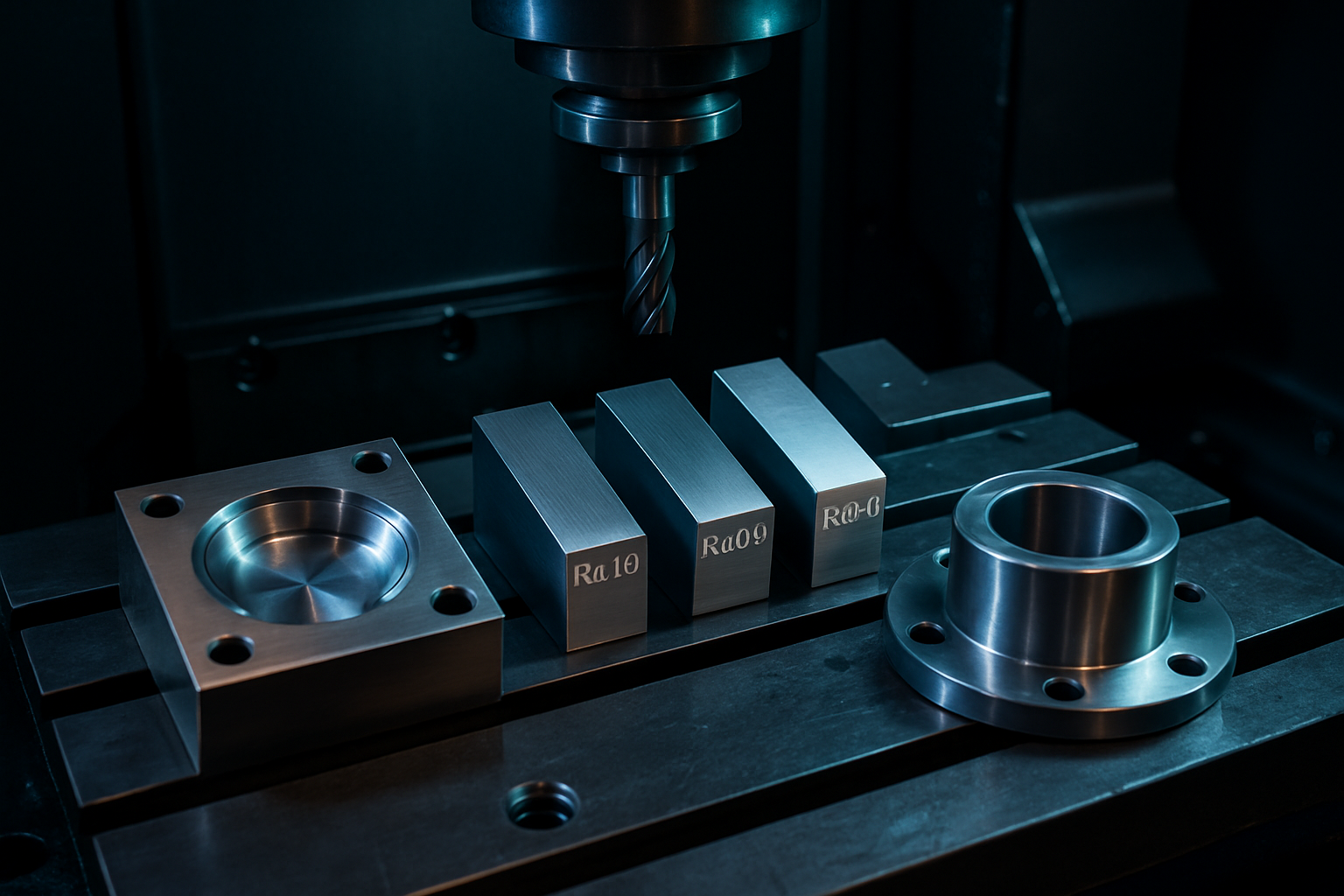
Understanding Surface Finish for CNC Parts: Ra Values and Selection Guide
Australian engineers, procurement managers, and manufacturing professionals face unique challenges in selecting appropriate surface finishes (Ra values) for their CNC parts. This guide aims to provide clear, actionable advice on choosing between rough, medium, and fine finishes based on specific criteria.
Material Recommendations with Local Context
Choosing the right material is crucial as it directly impacts achievable Ra values and cost efficiency. Here are some common materials used in Australian manufacturing:
- Aluminium 6061: Ideal for prototypes and production parts requiring high strength-to-weight ratios. Billet prices range from $25 to $45/kg.
- Stainless Steel 316: Preferred for applications involving corrosive environments, with billet prices between $70 and $130/kg.
- PEEK (Polyether Ether Ketone): A high-performance thermoplastic suitable for medical devices and aerospace components, costing around $800 to $1,600/kg.
When selecting materials, consider both mechanical properties and machinability. For instance, titanium is extremely strong but also very expensive ($500–800/kg) and difficult to machine compared to aluminium or stainless steel.
Ra Values and Their Implications
Surface finish (Ra value) is a critical aspect of CNC parts that affects part performance, appearance, and cost. The three most common choices in Australia are:
- Rough Finish (~5 µm Ra): Suitable for internal components like brackets where aesthetics are secondary to functionality and cost.
- Medium Finish (~1.6 µm Ra): Ideal for external parts requiring a smooth surface but without the need for high precision, such as enclosures or covers.
- Fine Finish (<0.8 µm Ra): Necessary for applications demanding tight tolerances and excellent aesthetics, like surgical instruments or consumer products.
Choosing between these finishes depends on your application's requirements:
- Choose rough finish when: Cost is a significant factor and the part will not be visible in final assembly.
- Choose medium finish when: A balance of cost and appearance is needed, such as for parts exposed to customers but not requiring precise fit or function.
- Choose fine finish when: High precision, tight tolerances, or aesthetic requirements are paramount.
Common Mistakes to Avoid
- Underestimating the Impact on Cost: Finer surface finishes require more machining time and thus higher costs. For example, achieving a fine finish might increase part manufacturing time by 30-50% compared to medium finish.
- Ignoring Material Properties: Different materials have varying machinability characteristics; titanium, for instance, is challenging to machine smoothly compared to aluminium.
- Neglecting Local Standards and Regulations: Ensure that the selected surface finishes comply with Australian standards such as AS/NZS 1720 (Corrosion Protection for Ferrous Items) if dealing with outdoor or marine applications.
Quick Reference: Surface Finish Selection Guide
- Rough Finish (~5 µm Ra): Suitable for internal components, cost-sensitive projects.
- Medium Finish (~1.6 µm Ra): Ideal balance between appearance and cost; good for exposed parts in consumer products.
- Fine Finish (<0.8 µm Ra): Required for tight tolerances, high-end aesthetics, medical devices.
Practical Takeaway
When specifying surface finishes for your CNC parts, always start with a thorough analysis of the part's function, environment, and aesthetic requirements. By understanding these criteria and the cost implications associated with different Ra values, you can make informed decisions that balance quality and budget constraints effectively.
This guide provides a foundational framework to navigate the complexities of surface finish selection in Australian manufacturing contexts.
Free quote in 2 business days. No minimum order.