Choosing the Right RA Value for Perfect CNC Part Finish
Rapid Manufacturing
Author
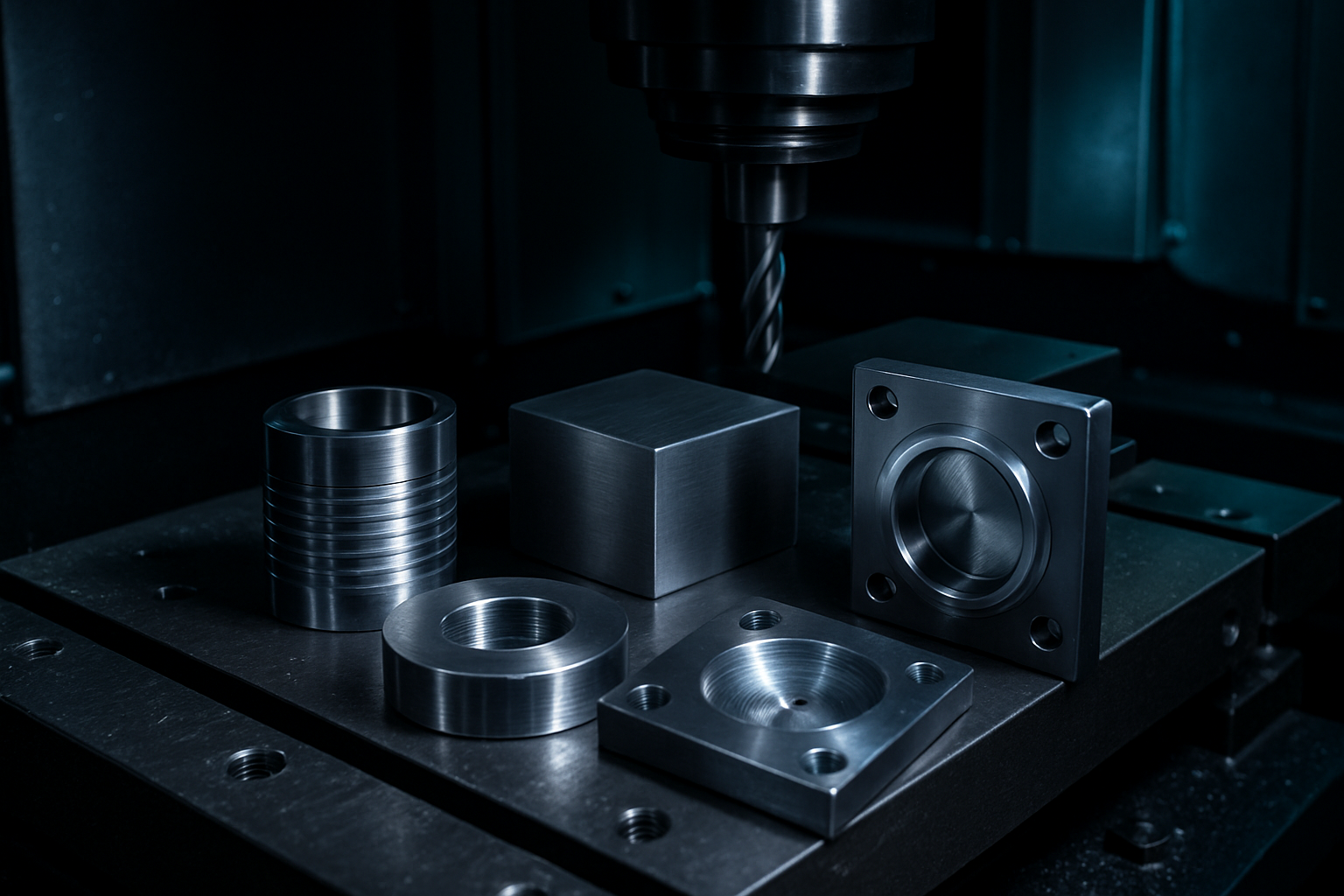
Understanding Surface Finish for CNC Parts: Ra Values and Selection Guide
Surface finish is a critical aspect of CNC machining that significantly influences the performance, appearance, and longevity of parts. In Australia, engineers and procurement managers often face specific challenges in selecting the right surface roughness (Ra) values to meet project requirements while considering local standards and supply chain realities.
Selecting Ra Values for Different Applications
When choosing a surface finish for CNC parts, it's essential to consider the application of the part. Here’s a decision framework that can help you select appropriate Ra values:
- Choose Ra 0.4 μm when... the part requires high wear resistance and minimal friction, such as in aerospace components or precision instruments.
- Select Ra 1.6 μm when... the part needs to look good but doesn't require extreme surface finish quality, typical for consumer electronics enclosures or commercial equipment parts.
- Opt for Ra 3.2 μm when... the component must withstand heavy wear and tear without requiring a polished appearance, such as in automotive parts.
Australian engineers should also be aware of local standards like AS1600 for surface roughness, which specify acceptable ranges for different applications to ensure compliance with industry regulations.
Material Recommendations and Cost Considerations
When selecting materials for CNC machined parts, consider both the mechanical properties required by your application and the cost implications. Here are some recommendations:
- Aluminium 6061 is ideal for lightweight components where corrosion resistance is important. Billet prices range from $25 to $45/kg.
- Stainless Steel 316 offers excellent corrosion resistance and durability, making it suitable for marine applications or harsh environments. Costs are approximately $70 to $130/kg.
- PEEK (Polyether Ether Ketone) is a high-performance thermoplastic that provides exceptional wear resistance and chemical inertness. Prices range from $800 to $1,600/kg.
Costs can vary based on material availability and demand in the Australian market. For precise pricing, it's advisable to consult local suppliers or manufacturing services providers.
Common Mistakes to Avoid
Several common pitfalls can hinder the selection of appropriate surface finish Ra values:
- Underestimating Material Properties: Ignoring the inherent roughness of materials like cast iron or certain plastics can lead to suboptimal surface finishes.
- Neglecting Local Standards and Regulations: Not adhering to Australian standards such as AS1600 can result in non-compliant parts, leading to potential legal issues and project delays.
- Ignoring Machining Challenges: High Ra values may be challenging or costly to achieve on certain CNC machines. It's important to ensure that the chosen surface finish is feasible within your manufacturing capabilities.
Quick Reference: Key Specs for Surface Finish Selection
- Ra 0.4 μm: Suitable for aerospace and precision instruments.
- Ra 1.6 μm: Appropriate for consumer electronics and commercial equipment parts.
- Ra 3.2 μm: Ideal for automotive components requiring durability over aesthetics.
- Material Recommendations:
- Aluminium 6061 for lightweight applications
- Stainless Steel 316 for harsh environments
- PEEK for high-performance, chemical-resistant parts
Practical Takeaway
When selecting surface finish Ra values for CNC parts in Australia, it's crucial to balance material properties, cost considerations, and local standards. By following the decision framework outlined above and being mindful of common pitfalls, you can ensure that your components meet both functional and aesthetic requirements while staying within budget constraints.
Remember, every project is unique. Tailoring these guidelines to specific applications will help you achieve optimal results in Australian manufacturing settings.
Free quote in 2 business days. No minimum order.