Best Ra Values for CNC Parts Surface Finish Guide
Rapid Manufacturing
Author
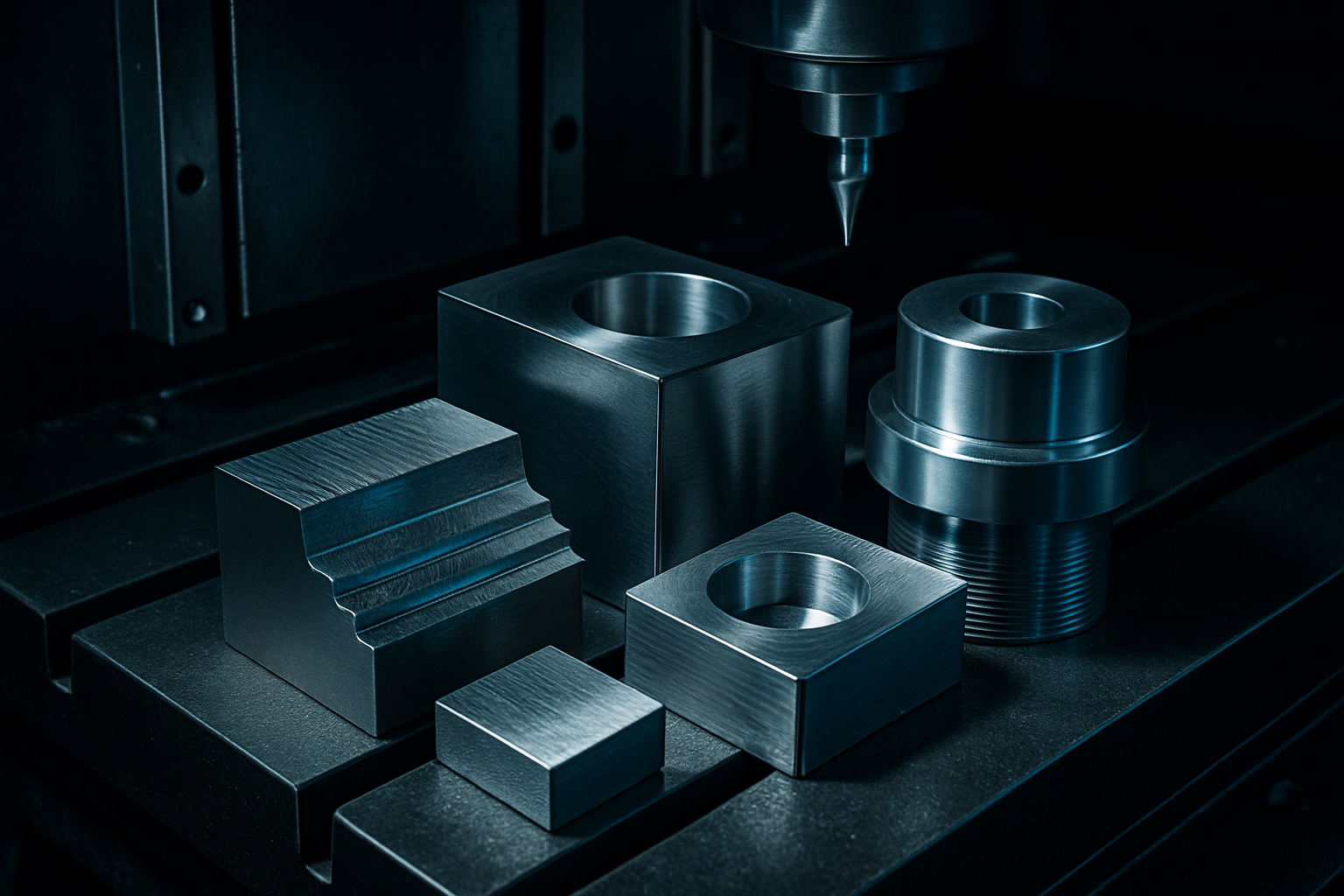
Understanding Surface Finish for CNC Parts: Ra Values and Selection Guide
When it comes to CNC machined parts in Australia, achieving a suitable surface finish is critical for both functional and aesthetic reasons. The Roughness Average (Ra) value is one of the key metrics used to quantify this finish. In this guide, we’ll delve into how to choose the right Ra value based on your part requirements, highlight common pitfalls, and provide actionable advice tailored specifically for Australian engineers, procurement managers, and manufacturing professionals.
Choosing the Right Surface Finish: A Decision Framework
Selecting the correct surface roughness (Ra) for CNC machined parts is not one-size-fits-all. It depends largely on the intended application of the part, material type, and your budget constraints. Here are some decision frameworks to help you navigate this process effectively:
-
Choose a lower Ra value (<0.8 µm) when precision fits or sealing surfaces are required — Lower Ra values ensure tighter tolerances and better fitment for parts that need minimal clearance between mating components.
-
Select an intermediate Ra value (0.8 to 3.2 µm) for general mechanical parts — This range is suitable for most engineering applications where form, fit, and function are key but precision fits are not critical.
-
Go with a higher Ra value (>3.2 µm) when the part will be coated or painted — A coarser finish can help in adhering paint or other coatings better to the surface of the material.
Common Mistakes to Avoid
Achieving the correct surface roughness is crucial for optimal performance, durability, and cost-efficiency of your CNC parts. Here are some mistakes to avoid:
-
Over-polishing parts that don't require it — Overworking a part beyond its functional requirements can increase costs unnecessarily without adding value.
-
Ignoring material properties — Different materials have different machining characteristics. For example, aluminium is easier to machine than stainless steel or titanium, leading to differences in achievable Ra values and cost.
-
Neglecting the influence of tolerances — Tighter tolerances typically require finer surface finishes which can drive up costs significantly.
Material Recommendations for Surface Finishes
Choosing the right material not only affects your part’s performance but also influences the machining process and surface finish. Here are some practical recommendations:
-
Aluminium 6061 (Ra range: 0.4 to 5 µm) — This versatile alloy is cost-effective with excellent machinability, making it ideal for parts requiring a smooth finish.
-
Stainless Steel 316 (Ra range: 0.8 to 20 µm) — A more challenging material due to its hardness and brittleness, but offers superior corrosion resistance in harsh environments.
-
Titanium Grade 5 (Ti6Al4V) (Ra range: 1 to 20 µm) — Difficult to machine with high tool wear rates, titanium requires careful consideration of machining costs and surface finish requirements.
Quick Reference for Surface Finish Selection
Here’s a quick summary of key points to consider when selecting Ra values:
- Precision fits: Choose Ra <0.8 µm
- General mechanical parts: Opt for 0.8 to 3.2 µm
- Coated or painted parts: Go with >3.2 µm
- Cost-effective material: Aluminium 6061
- Corrosion resistance: Stainless Steel 316
- High-strength needs: Titanium Grade 5
Practical Takeaway for Engineers and Managers
When choosing a surface finish, always start by identifying the critical requirements of your part. Consider both the mechanical and environmental factors that will impact performance. By understanding these aspects, you can avoid unnecessary costs while ensuring that your CNC parts meet all necessary standards and specifications.
Remember to engage closely with local suppliers and machining shops to leverage their expertise in choosing the right Ra value within budget constraints and delivery timelines specific to the Australian market. This collaborative approach ensures the best outcome for your manufacturing projects.
Free quote in 2 business days. No minimum order.