Ultimate Guide to Ra Values for Perfect CNC Part Finish
Rapid Manufacturing
Author
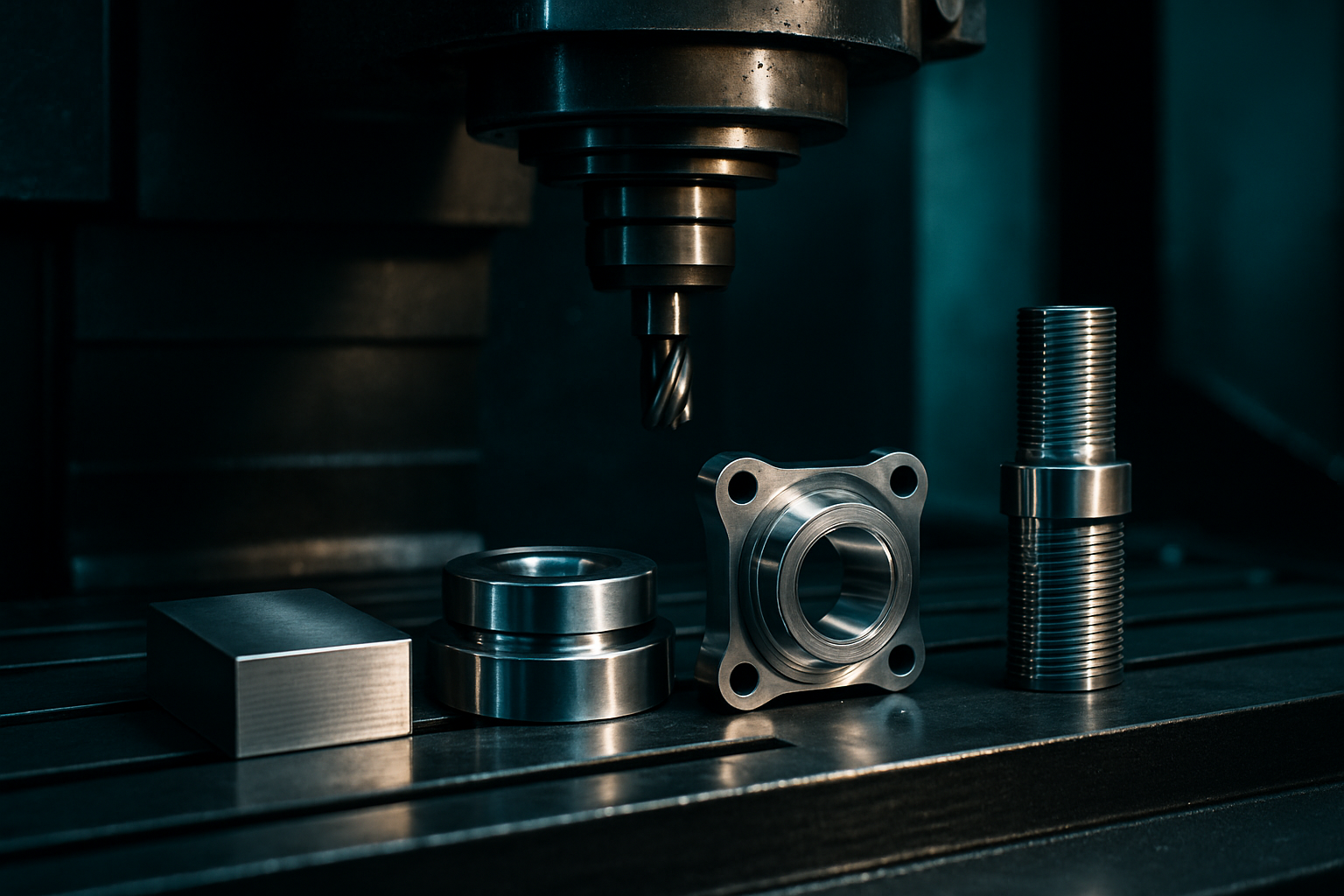
Understanding Surface Finish for CNC Parts: Ra Values and Selection Guide
When it comes to CNC machined parts in Australia, surface finish (Ra) is a critical factor that significantly impacts both form and function. This guide will help Australian engineers, procurement managers, and manufacturing professionals navigate the selection of appropriate Ra values based on part requirements and cost considerations.
What is Ra? Why Does It Matter?
Surface roughness (Ra) measures the texture of a surface using an arithmetic average of the peaks and valleys along a line parallel to the measurement axis. In Australia, this metric is crucial for ensuring that machined parts meet specific performance criteria, such as wear resistance, corrosion protection, or aesthetic requirements.
Key Considerations:
- Functionality: For components requiring minimal friction, like bearings, opt for lower Ra values (typically 0.1–0.2 μm).
- Aesthetics: Lower Ra values also enhance the appearance of parts, making them suitable for consumer-facing products.
- Cost and Lead Times: Finer surface finishes require more machining time, driving up costs and extending lead times.
Material Recommendations
Choosing the right material is equally important as selecting an appropriate Ra value. Here are some commonly used materials in Australian manufacturing with their typical applications:
- Aluminium 6061 (approx. $25–45/kg): Ideal for lightweight, corrosion-resistant parts.
- Stainless Steel 316 (approx. $70–130/kg): Suitable for harsh environments due to its high corrosion resistance.
- Titanium (approx. $500–800/kg): Offers excellent strength-to-weight ratio and is often used in aerospace applications.
Decision Framework
When selecting Ra values, consider the following guidelines:
- High Precision Applications: Choose an Ra value of 0.1 μm or less for tight tolerances and components that interact with other precision parts.
- Standard Precision Applications: Opt for an Ra value between 0.2–0.8 μm for general manufacturing needs where cost-effectiveness is a priority.
- Cost-Sensitive Projects: For projects with budget constraints, aim for an Ra value of 1.6–3.2 μm to balance performance and economics.
Common Mistakes to Avoid
- Overlooking Material Properties: Ensure that the chosen material can achieve the desired surface finish without compromising durability or functionality.
- Ignoring Environmental Factors: Consider the operating environment's impact on surface wear, corrosion resistance, and overall part longevity.
- Failing to Consult with CNC Machining Experts: Engaging with local CNC machining specialists early in the design phase can prevent costly reworks.
Quick Reference: Key Specs for Surface Finish Selection
- Precision Applications (0.1 μm Ra): High-grade aluminium or stainless steel
- General Manufacturing Needs (0.2–0.8 μm Ra): Aluminium 6061, Stainless Steel 316
- Budget-Conscious Projects (1.6–3.2 μm Ra): Low-cost alloys, plastics
Practical Takeaway for Australian Professionals
When selecting surface finish values for CNC machined parts in Australia, balance your needs with practical constraints like material properties and machining costs. Engage early with local CNC experts to ensure that your design meets both functional requirements and budget limitations effectively.
By applying this guide, you can make informed decisions about Ra values that enhance the performance and longevity of your manufactured components while aligning with Australian manufacturing realities.
Free quote in 2 business days. No minimum order.