Best Ra Values for CNC Parts Surface Finish Guide
Rapid Manufacturing
Author
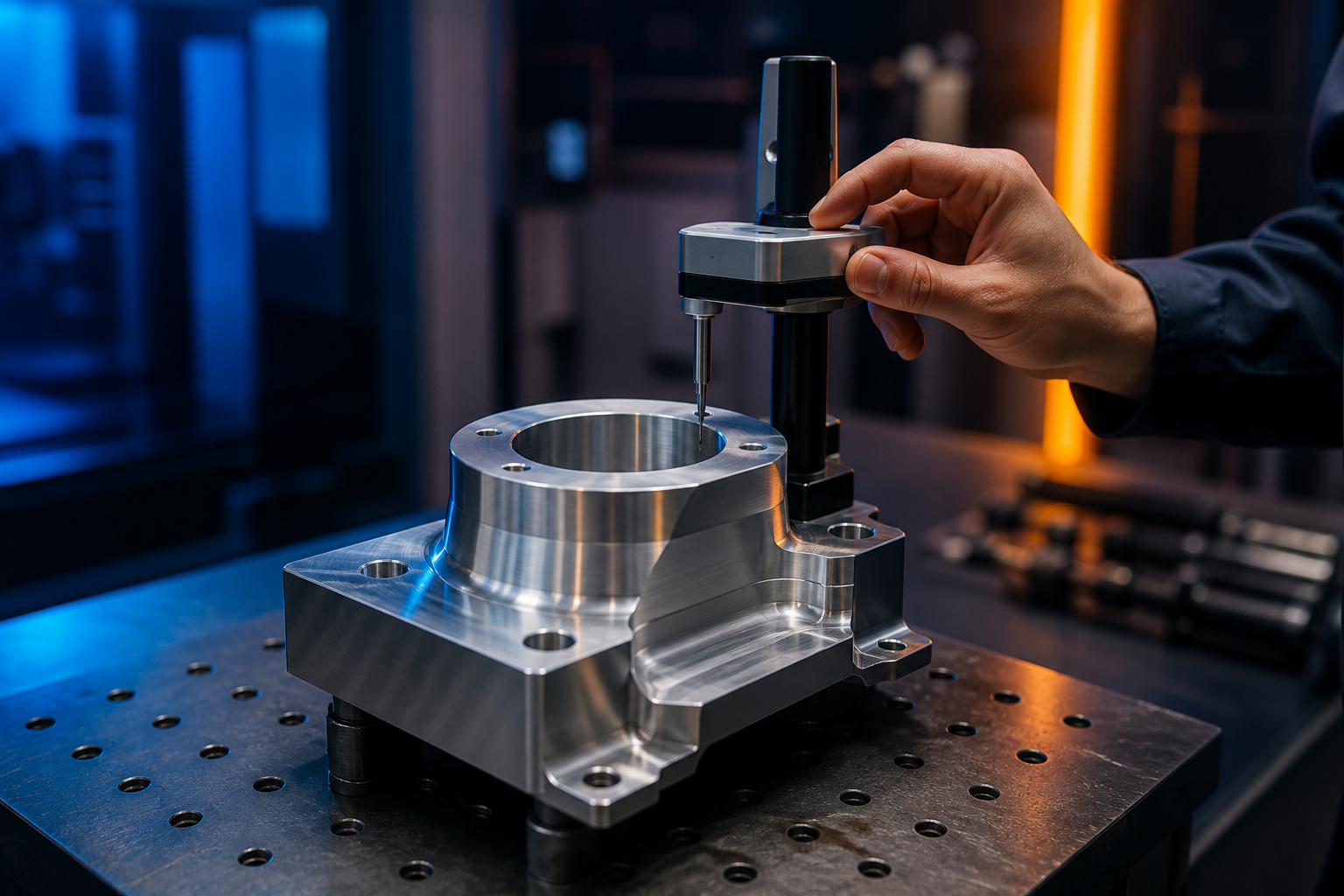
Understanding Ra Values in CNC Machining
For Australian engineers and procurement managers working with CNC parts, understanding surface finish specifications is crucial. The most common measurement used to quantify a part’s surface finish is Ra (Average Roughness). In Australia, where manufacturing standards are stringent due to the country's diverse industrial needs—from mining equipment to advanced aerospace components—the selection of an appropriate Ra value can significantly impact the performance and durability of parts.
Ra values range from extremely fine finishes like 0.1 micron for precision medical implants to relatively rough surfaces like 6.3 microns for heavy machinery parts that don’t require close tolerances or smoothness. Australian manufacturers often face unique challenges due to the country’s harsh environmental conditions, which necessitate robust and durable components with appropriate surface finish selections.
Practical Tips for Selecting Ra Values
Choosing the right Ra value is not just about aesthetics; it affects wear resistance, friction, and sealing requirements of mechanical parts. For instance, a lower Ra value can enhance lubrication effectiveness in tight-tolerance hydraulic systems, while higher values might be more suitable for components exposed to abrasive or corrosive environments.
Australian engineers should consider the application’s operating conditions when selecting an appropriate surface finish. Consulting industry standards such as ASME B46.1 (adopted in Australia) and collaborating with experienced machinists can provide valuable insights into selecting optimal Ra values that balance cost, performance, and longevity.
Key Takeaway: Always verify the specific requirements of your application before finalizing Ra values to ensure they meet both functional needs and Australian manufacturing standards.
Free quote in 2 business days. No minimum order.