Stainless Steel 316 CNC Machining Corrosion Resistance Guide
Rapid Manufacturing
Author
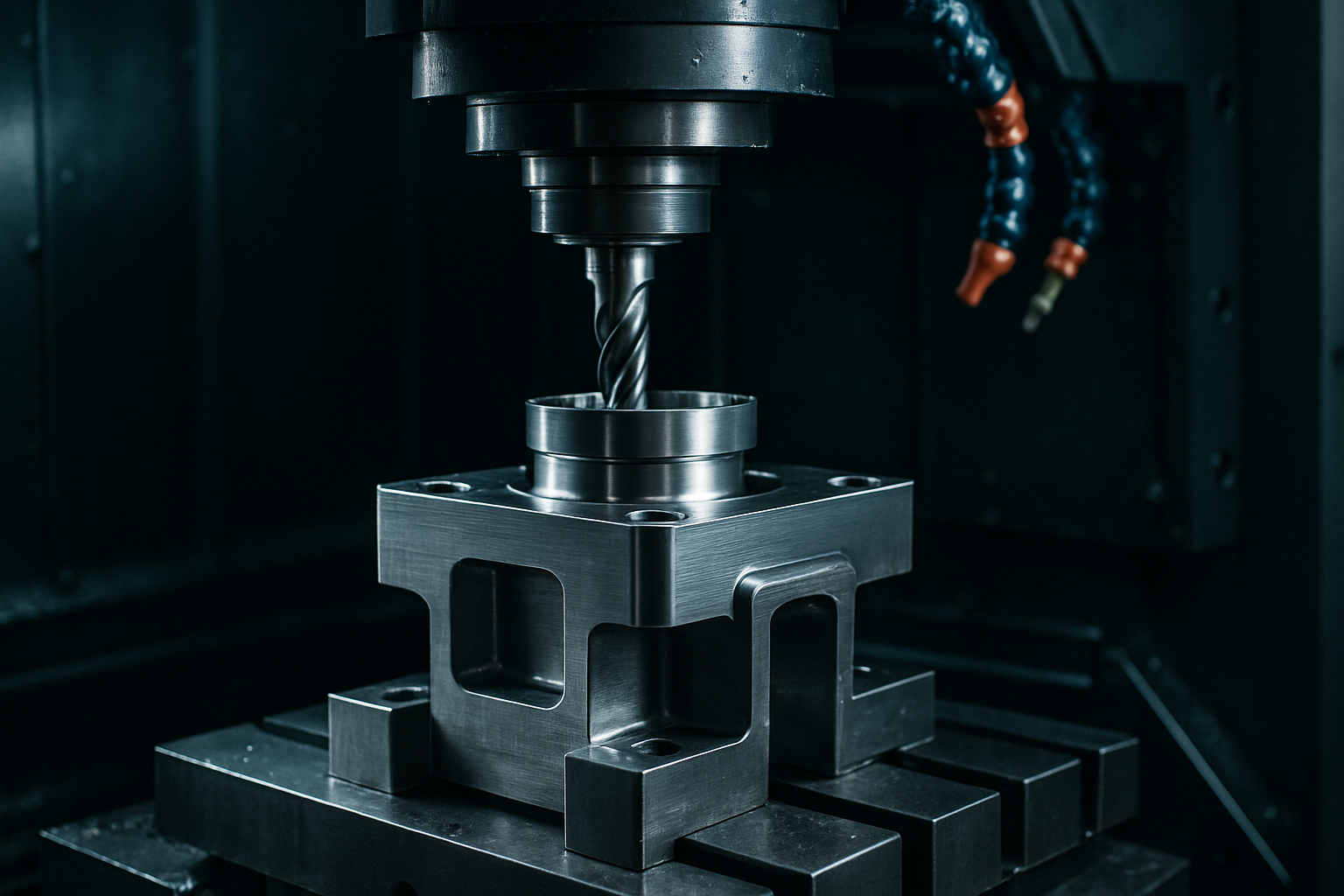
Introduction to Stainless Steel 316 CNC Machining in Australia
When choosing materials for Australian manufacturing projects, stainless steel 316 stands out due to its exceptional corrosion resistance and versatility. As an austenitic chromium-nickel alloy, it offers excellent strength, toughness, and durability even at cryogenic temperatures. This makes it ideal for marine environments, chemical plants, food processing facilities, and any application where saltwater or acidic conditions are common.
Material Considerations
When deciding on stainless steel 316 for your next CNC machined part, several factors come into play:
-
Corrosion Resistance: Stainless steel 316 contains molybdenum, which increases its resistance to pitting and crevice corrosion. This is critical in Australia's coastal regions with high salt concentrations.
-
Mechanical Properties: With a tensile strength of up to 750 MPa (depending on the heat treatment), stainless steel 316 can handle significant loads while maintaining flexibility.
-
Cost vs Benefit: While more expensive than some other grades, such as 304, the long-term durability and low maintenance costs often make it a cost-effective choice for applications where corrosion is a concern. Current billet prices range from $70 to $130 per kilogram in Australia, depending on supplier and market fluctuations.
Common Mistakes to Avoid
-
Overlooking Local Standards: Ensure that your part designs comply with Australian standards such as AS/NZS 2551 for stainless steels. These standards dictate material specifications and testing requirements crucial for safety and quality assurance.
-
Ignoring Material Properties at Elevated Temperatures: Stainless steel 316 retains its strength up to about 450°C but starts to lose ductility beyond this point. For applications requiring high temperatures, consider alternative materials like stainless steel 310 or Hastelloy.
Decision Frameworks
Choose stainless steel 316 when:
- The part will be exposed to saltwater or other corrosive environments.
- Corrosion resistance is more important than cost savings over a shorter lifespan.
Avoid using stainless steel 316 when:
- The application requires higher temperatures above 450°C, where alternative materials like stainless steel 310 might be more suitable.
Quick Reference
- Material: Stainless Steel 316
- Corrosion Resistance: Excellent in saltwater and acidic environments
- Tensile Strength: Up to 750 MPa
- Temperature Limitations: Durable up to 450°C, starts losing ductility above this temperature
- Cost Range (per kg): $70 - $130
Practical Takeaway
When specifying stainless steel 316 for your next project, ensure that you consult with a local CNC machining shop familiar with Australian standards and supply chain dynamics. This collaboration will help mitigate risks associated with material sourcing and manufacturing processes, ultimately delivering parts that meet both functional requirements and cost efficiency.
Remember to verify material prices directly with suppliers due to market fluctuations and regional pricing differences.
Free quote in 2 business days. No minimum order.