Scaling Your Prototype to Production with CNC Machining Tips
Rapid Manufacturing
Author
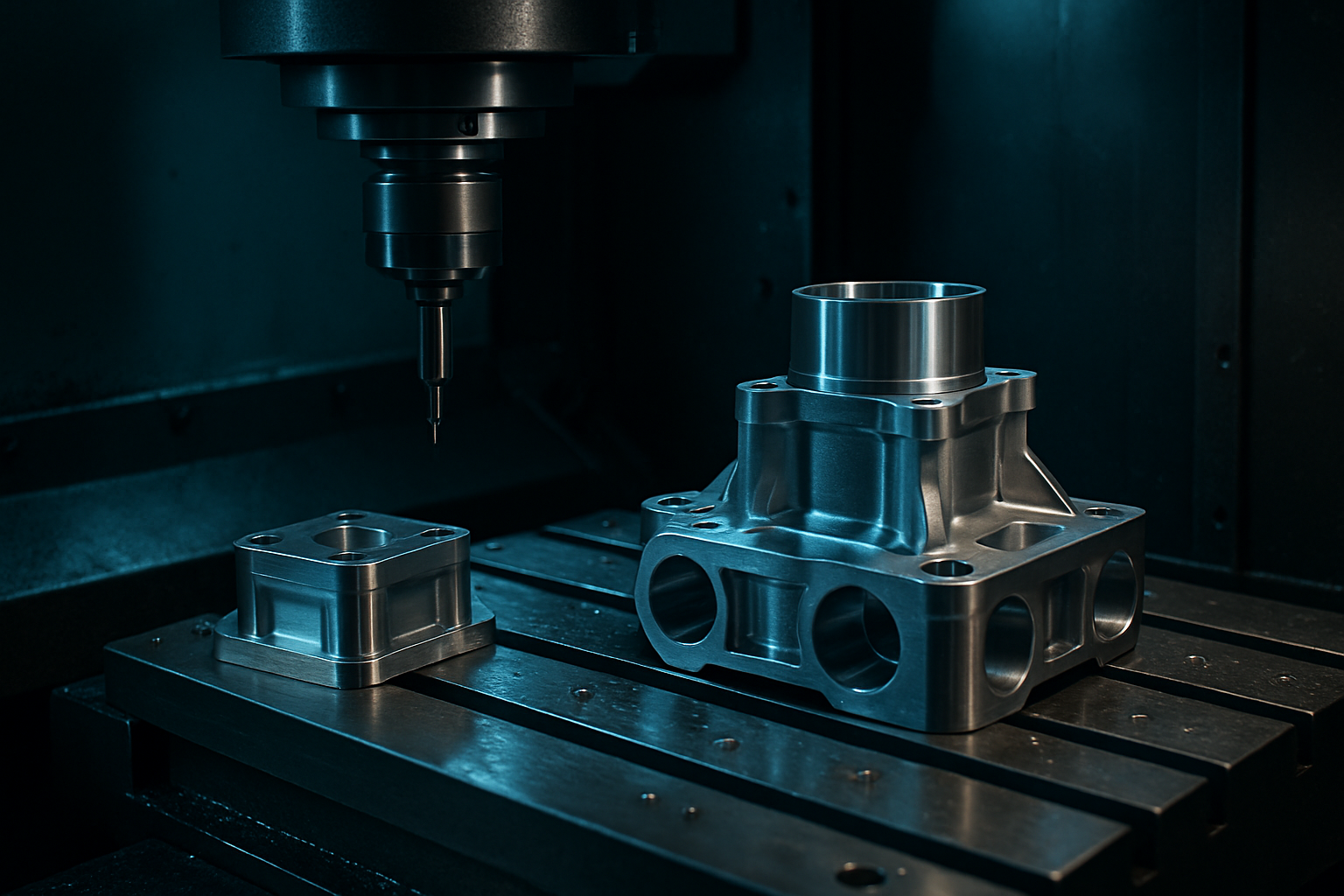
Scaling from Prototype to Production: CNC Machining Considerations for Australian Engineers and Procurement Managers
Material Selection in Australia
Choosing the right material is crucial when scaling your prototype to production in an Australian context. Local supply chains often have a preference for materials that are readily available, cost-effective, and meet local standards such as AS/NZS 1288 (Aluminium) or AS/NZS 4057 (Stainless Steel). Here are some commonly used materials with their pros and cons:
- Aluminium 6061: Ideal for lightweight applications requiring good mechanical properties. Billet costs range from $25 to $45 per kg.
- Stainless Steel 316: Suitable for corrosive environments or marine applications. Billet costs are approximately $70 to $130 per kg.
- PEEK (Polyether Ether Ketone): Excellent for high-performance parts needing resistance to chemicals and heat, but it's expensive with billet prices ranging from $800 to $1,600 per kg.
When choosing materials, consider your specific application requirements. For example, if corrosion is a concern in marine environments, opt for Stainless Steel 316 over Aluminium. If you're working on automotive parts, Aluminium might be the better choice due to its weight and cost-effectiveness.
CNC Machining Considerations
Scaling from prototype to production requires careful consideration of machining tolerances, lead times, and costs. In Australia, a common mistake is underestimating material waste or over-specifying machining tolerances that don’t add value but increase costs.
-
Tolerances: Most parts can be machined with ±0.1mm tolerance for high precision at an acceptable cost. More precise tolerances (e.g., ±0.025mm) will significantly raise costs and may not be necessary unless critical to function.
-
Lead Times: Production lead times are often longer than prototyping due to larger batch sizes and potential material delays. Aim to order materials early, especially for exotic metals like Titanium or PEEK which can take weeks to arrive.
Decision Frameworks
Choosing between manual versus CNC machining depends on several factors:
- Complexity of Part: Choose CNC when geometry is intricate with multiple axes required.
- Batch Size and Lead Time: Select CNC if your batch size exceeds 20 pieces and you need shorter lead times compared to manual processes.
- Cost Constraints: Opt for manual machining if budget is tight, especially for small batch sizes or prototypes.
Quick Reference
Here are some key specs and decision points:
- Material costs: Aluminium 6061 ~$25–45/kg; Stainless Steel 316 ~$70–130/kg
- Machining rates: $120–$300/hr (contact for current pricing)
- Common mistake: Over-specifying tolerances without justification
Practical Takeaway
When scaling your prototype to production, focus on selecting the right materials based on their availability and cost-effectiveness in Australia. Be mindful of machining tolerance requirements; strive to balance precision with economic constraints. By applying these principles, you can streamline your manufacturing process while maintaining quality standards.
For more detailed guidance or pricing inquiries specific to your project, reach out to a local CNC supplier for tailored advice.
Free quote in 2 business days. No minimum order.