Scaling Your Prototype to Production with CNC Machining Tips
Rapid Manufacturing
Author
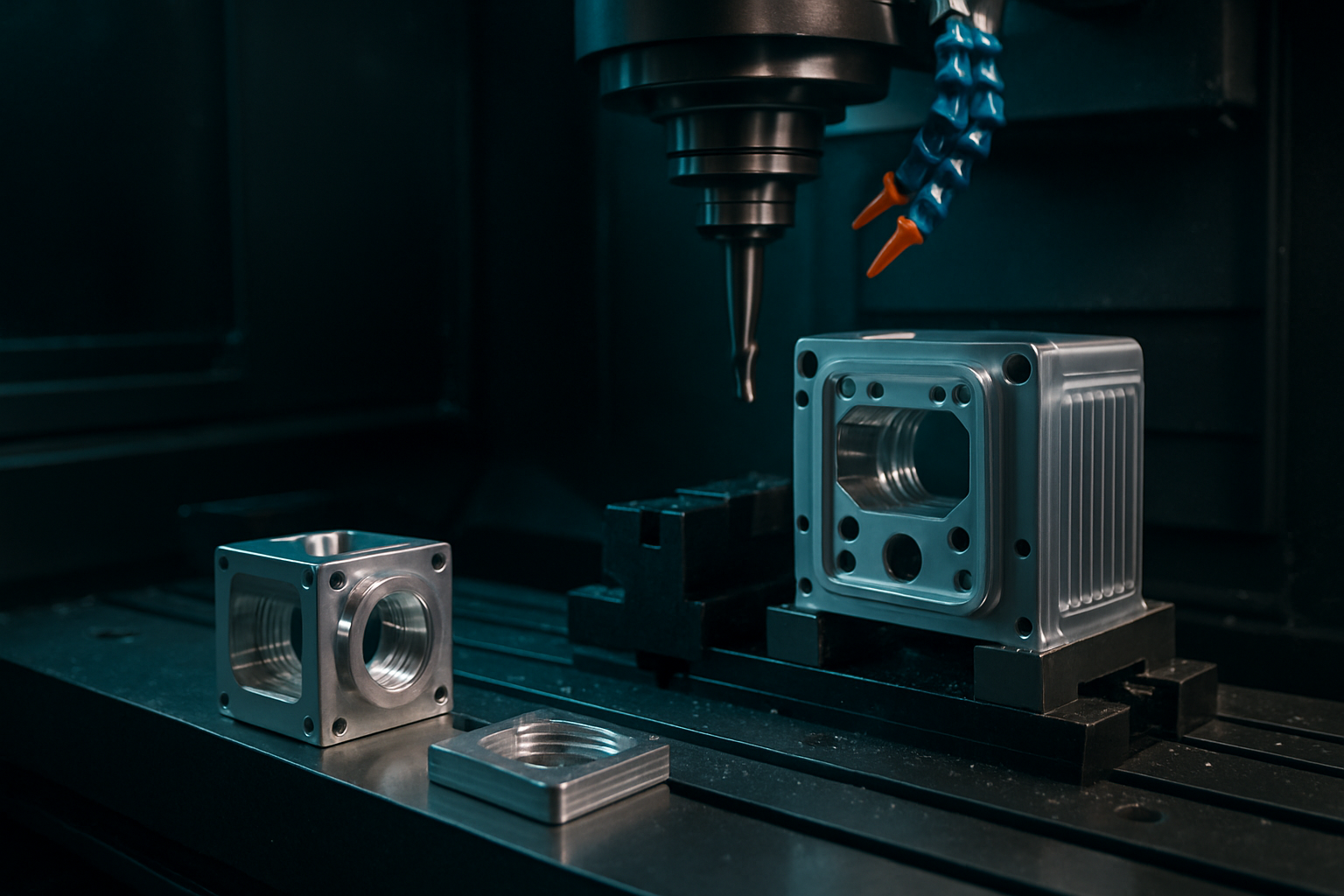
Scaling from Prototype to Production: CNC Machining Considerations for Australian Engineers and Manufacturing Professionals
Transitioning a design from a prototype phase to full production requires careful consideration of material choices, machining processes, and supply chain logistics. In Australia, where materials like aluminium 6061 are widely used due to its cost-effectiveness and versatility, engineers must navigate the nuances of CNC machining at scale.
Material Selection for Production
Material selection is a critical first step in scaling from prototype to production. Aluminium 6061 is often favoured for its balance between strength and weight; however, it's crucial to understand its limitations. For parts requiring higher corrosion resistance or structural integrity, stainless steel 316 might be more appropriate. Titanium offers exceptional durability but comes at a significantly higher cost.
Key Considerations:
- Corrosion Resistance: Stainless steel 316 is recommended for marine applications due to its high resistance.
- Weight and Cost-Benefit Analysis: Aluminium 6061 balances weight savings with moderate material costs, making it suitable for aerospace or automotive components where every kilogram counts.
Machining Costs and Lead Times
Understanding the cost implications of different machining strategies is crucial. CNC shops in Australia typically charge between $120 to $300 per hour depending on the machine type and complexity of the part. Material costs can vary widely; for instance, aluminium 6061 billet prices range from $25 to $45/kg.
Actionable Advice:
- Optimize Toolpaths: Minimizing material waste through efficient toolpath planning can significantly reduce machining time and cost.
- Consider Machining Complexity: Simple geometries may be more cost-effective with less expensive machine tools. Complex shapes or tight tolerances might require higher-end CNC machines, increasing costs.
Common Mistakes to Avoid
Several pitfalls await engineers and procurement managers during the transition phase:
- Ignoring Material Yield Rates: Overestimating material yield can lead to significant overruns in budget and timeline.
- Neglecting Post-Processing Costs: Finishing processes like anodizing or polishing, while essential for aesthetic or functional reasons, add considerable costs which should be planned for from the start.
Decision Frameworks:
- Choose aluminium 6061 when cost is a primary concern but ensure design can accommodate its limitations.
- Opt for stainless steel 316 when parts will be exposed to corrosive environments, prioritizing durability over upfront costs.
Quick Reference
- Material Costs: Aluminium 6061 ~$25–45/kg; Stainless Steel 316 ~$70–130/kg
- Machining Rates: $120–$300/hr (Australian rates)
- Tolerances: ±0.1mm for standard machining, tighter tolerances may require additional processing steps
Immediate Takeaway
By carefully considering material choices and understanding the implications of machining costs and lead times, Australian engineers can effectively scale their prototypes to production without significant cost overruns or delays. Engaging early with experienced machinists who understand local supply chains and material availability can further streamline this process.
Remember, each project's requirements are unique. Tailoring your approach based on these key considerations will ensure a smoother transition from prototype to full-scale production.
Free quote in 2 business days. No minimum order.