Scaling Up Your Prototype with CNC Machining Tips
Rapid Manufacturing
Author
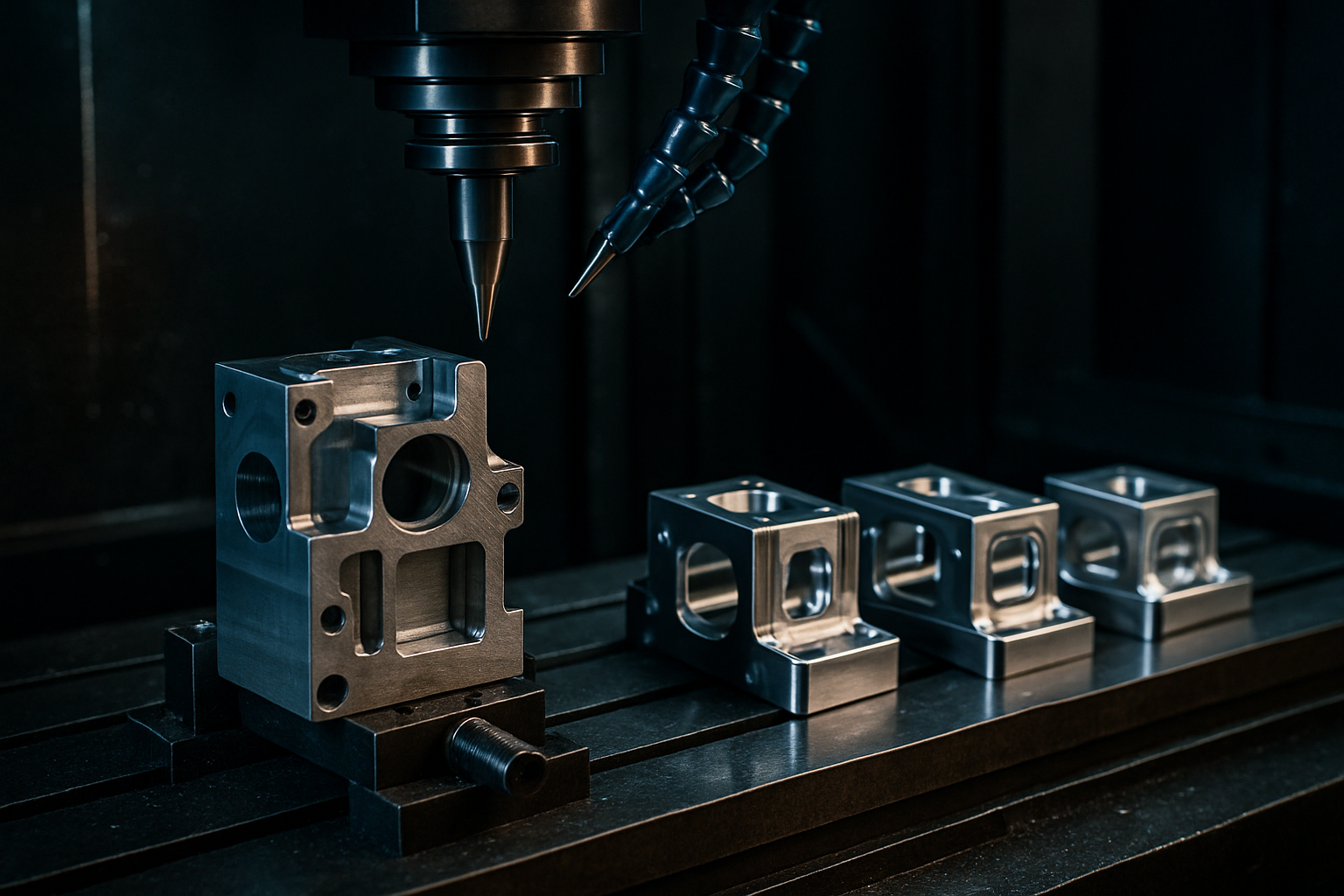
Scaling from Prototype to Production: CNC Machining Considerations for Australian Engineers and Manufacturing Professionals
Moving a product design from prototype stage to full-scale production is a critical phase in any manufacturing process. For those working with CNC machining in Australia, several factors must be considered to ensure the transition is smooth and cost-effective. This guide offers actionable advice tailored specifically for Australian engineers, procurement managers, and manufacturing professionals.
Material Selection: Choosing Wisely
Material selection can significantly impact both cost and performance of machined parts. In Australia, common materials like aluminium 6061, stainless steel 316L, and titanium Ti-6Al-4V offer a range of properties that suit different applications. Here’s how to choose:
- Aluminium 6061: Ideal for non-critical components or when weight reduction is paramount. Offers good corrosion resistance and can be anodised for aesthetic purposes.
- Stainless Steel 316L: Suitable for parts exposed to harsh environments or corrosive agents due to its superior corrosion-resistance properties.
- Titanium Ti-6Al-4V: Optimal when stiffness, weight reduction, and high-strength-to-weight ratio are crucial. However, titanium is significantly more expensive than aluminium and stainless steel.
Quick Reference: Material Properties
- Aluminium 6061: Cost ~$25–45/kg
- Stainless Steel 316L: Cost ~$70–130/kg
- Titanium Ti-6Al-4V: Cost ~$500–800/kg
Common Mistakes to Avoid
Scaling up a prototype design without re-evaluating the manufacturing process can lead to costly errors and delays. Here are some pitfalls to avoid:
- Neglecting Toolpaths: As part sizes increase, so does the complexity of toolpaths that may require optimized machining parameters for efficiency.
- Ignoring Material Yield Rates: Larger production runs reduce material wastage but still need careful planning due to varying material yield rates.
- Overlooking Lead Times: Australian supply chains might experience delays or shortages in materials. Always have a buffer and multiple suppliers on standby.
Decision Framework: When to Choose What
The choice between machining methods (turning, milling) often depends on the part geometry and desired surface finish. Here’s a framework for decision-making:
- Choose Turning when: The part is cylindrical with a consistent diameter or if there's a need for high-speed cutting.
- Choose Milling when: Complex shapes are required, or pockets and slots must be machined.
Practical Takeaway
When planning to scale up your CNC machining operations in Australia, ensure you have detailed cost estimates. Engage local suppliers early in the development process to avoid delays due to material availability issues. A solid understanding of material properties and manufacturing processes will help mitigate risks and reduce costs as you move from prototyping to production.
By following these guidelines and staying informed about Australian market rates for materials and machining, you can streamline your transition from prototype to full-scale production efficiently.
Free quote in 2 business days. No minimum order.