Scaling Your Prototype to Production with CNC Machining Tips
Rapid Manufacturing
Author
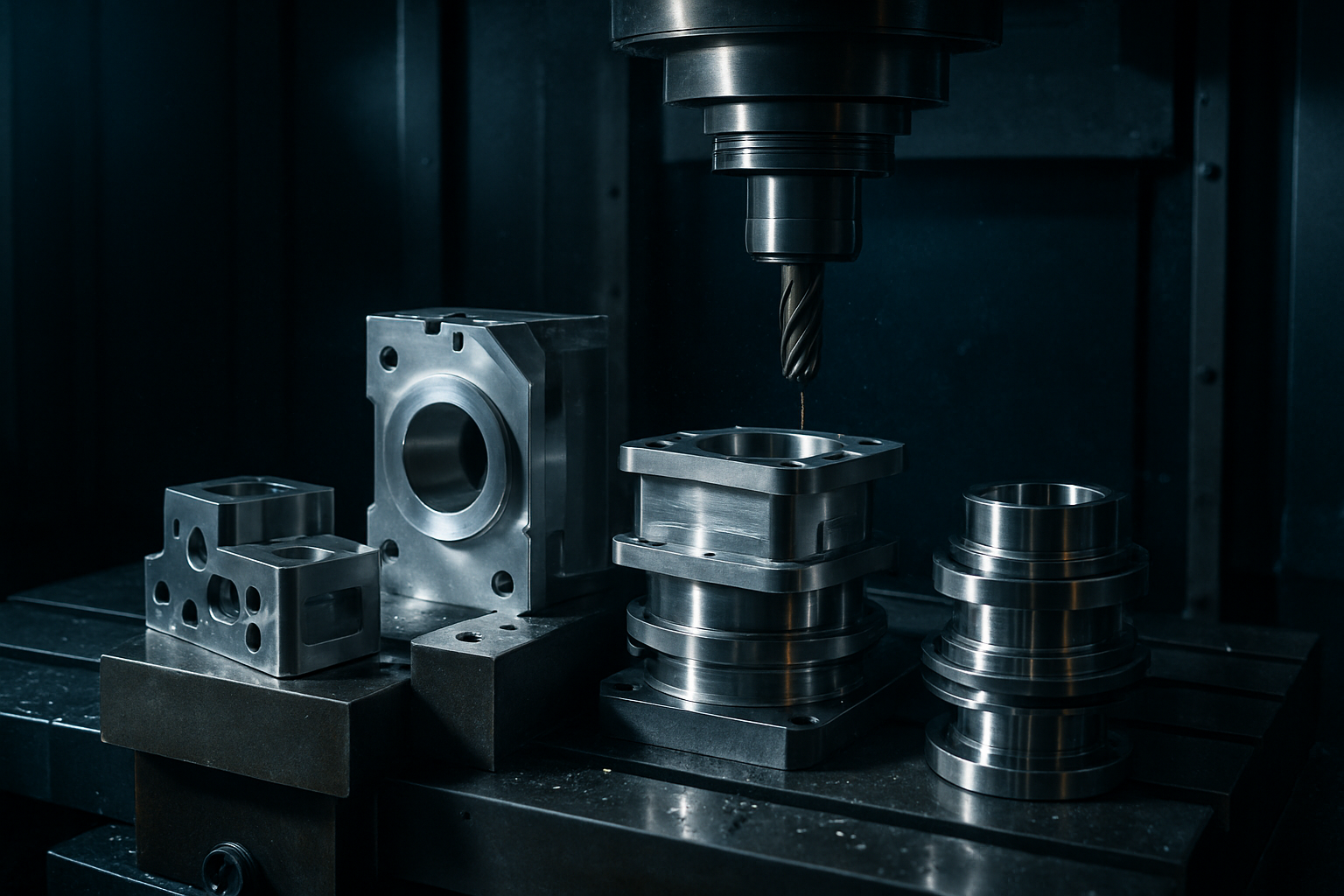
Scaling from Prototype to Production: CNC Machining Considerations for Australian Engineers and Procurement Managers
Material Selection in a Cost-Conscious Environment
Choosing the right material is critical when moving from prototype to production. For Australian engineers working with CNC machining, common materials include Aluminium 6061, Stainless Steel 316, Titanium, and PEEK (Polyether Ether Ketone). Each has unique properties that affect cost, performance, and manufacturing feasibility.
- Aluminium 6061: Ideal for prototyping due to its lightweight and low cost (~$25–45/kg). However, it may not be suitable for high-stress applications in production.
- Stainless Steel 316: Offers corrosion resistance and is more durable than Aluminium. It’s a better choice if the part will be exposed to harsh environments (e.g., marine or chemical processing), but it's significantly pricier (~$70–130/kg).
- Titanium: Provides exceptional strength-to-weight ratio, making it ideal for aerospace or medical applications. However, its high cost (~$500–800/kg) limits its use to specific industries.
- PEEK: Known for its chemical resistance and wear properties, PEEK is a good option when parts must withstand extreme conditions. It’s particularly expensive (~$800–1600/kg), making it suitable only for high-value applications.
Common Mistakes to Avoid During Scaling
When scaling from prototype to production, several pitfalls can lead to costly delays and suboptimal performance. Here are some common mistakes to avoid:
-
Underestimating Material Costs: Always verify material costs with local suppliers before finalizing your part design. The cost of materials like Titanium or PEEK can significantly impact the overall project budget.
-
Ignoring Lead Times: Australian CNC shops typically operate on lead times that vary from a few days for simple parts to several weeks for complex assemblies, especially during peak seasons. Ensure you factor in these delays when planning your production schedule.
-
Failing to Optimize Design for Manufacturing (DFM): Poor DFM can result in wasted material and increased machining time, driving up costs. For instance, reducing the wall thickness of Aluminium 6061 parts from 2mm to 1.5mm can save on material while maintaining part integrity.
-
Neglecting Surface Finishes: The finish quality impacts both aesthetics and functionality. Choose a finish that balances cost with performance needs. A rough matte finish might suffice for internal components, whereas a polished surface may be necessary for external parts.
Decision Frameworks for Efficient Scaling
To navigate the complexities of scaling CNC machined parts from prototype to production efficiently:
-
Choose Aluminium 6061 when: You require lightweight and cost-effective solutions that don't demand extreme durability or corrosion resistance. Suitable for components in consumer electronics, automotive interiors, etc.
-
Choose Stainless Steel 316 when: The part must operate under corrosive conditions or withstand high wear, as seen in marine equipment or chemical processing machinery.
-
Choose Titanium when: Weight savings and strength are paramount, such as in aerospace or medical devices. However, consider the higher cost upfront.
-
Choose PEEK when: You need parts with exceptional thermal resistance and durability against chemicals, often found in harsh environments like oil drilling or biocompatibility requirements.
Quick Reference: Key Specs for Efficient Scaling
-
Lead Time Estimates:
- Simple Parts: 3–5 days
- Complex Assemblies: 2–4 weeks (peak season)
-
Material Costs:
- Aluminium 6061: ~$25–45/kg
- Stainless Steel 316: ~$70–130/kg
- Titanium: ~$500–800/kg
- PEEK: ~$800–1,600/kg
-
CNC Machining Rates:
- $120–$300/hr (check for current rates)
By carefully considering material selection, avoiding common pitfalls, and adopting a strategic decision framework, Australian engineers and procurement managers can efficiently scale their projects from prototype to production. Understanding these factors will help you make informed decisions that balance cost, performance, and manufacturability.
To start applying this knowledge immediately, review your existing project's materials list against the cost and suitability criteria outlined above. This simple step can reveal immediate opportunities for optimization.
Free quote in 2 business days. No minimum order.