Mastering CNC Machining for Scalable Production Success
Rapid Manufacturing
Author
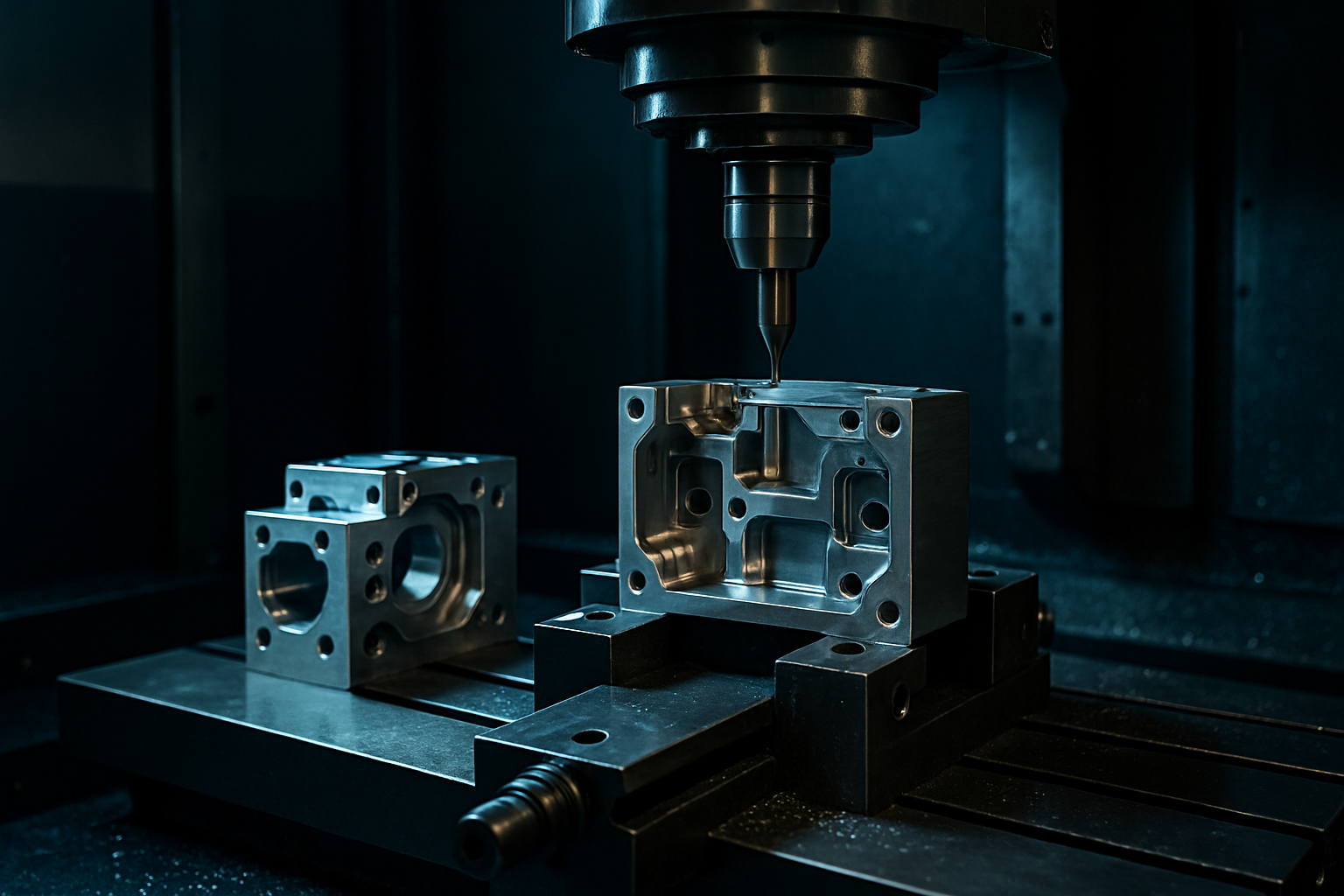
Scaling from Prototype to Production: CNC Machining Considerations for Australian Engineers
Moving a product from prototype to production is a critical phase in any manufacturing project. For engineers and procurement managers in Australia, this transition involves careful consideration of material selection, machining processes, and supply chain logistics. Here are some key points to consider when scaling up your CNC machined parts.
Material Selection: Balancing Cost with Performance
Choosing the right material for production is crucial as it affects both performance and cost. Common materials used in Australian manufacturing include aluminium 6061, stainless steel 316, titanium, and PEEK (Polyether Ether Ketone).
-
Aluminium 6061 offers excellent strength-to-weight ratio and is corrosion-resistant. It’s ideal for applications requiring high thermal conductivity or light weight, such as aerospace components.
-
Stainless Steel 316 provides superior corrosion resistance and durability in harsh environments. Suitable for marine or chemical processing equipment where rust protection is essential.
-
Titanium offers the highest strength-to-weight ratio among metals but comes at a premium cost of around $500–800/kg. It’s preferred in high-stress, lightweight applications like medical implants or sporting goods.
-
PEEK is a thermoplastic with excellent mechanical and chemical resistance properties. Suitable for automotive parts, aerospace components, and machinery that operate under extreme conditions due to its ability to withstand temperatures up to 260°C.
When selecting materials, consider the Australian context, such as environmental factors and local standards like AS/NZS (Australian/New Zealand Standard) compliance which may dictate material specifications.
CNC Machining Considerations
Scaling from prototype to production means increasing volume and often moving to more efficient manufacturing processes. Here are some specific considerations:
-
Tolerances: Production parts typically require tighter tolerances than prototypes, especially for critical components where fit and function are paramount. For example, a tolerance of ±0.1mm might be acceptable in prototyping but should move towards ±0.05mm or better in production to ensure consistency.
-
Lead Times: In the Australian market, lead times can vary widely depending on demand and machine availability. A small batch prototype run at a local CNC shop might take 2 weeks for 1–5 pieces, whereas scaling up to produce hundreds of units could extend this period by several months due to increased complexity in logistics.
-
Machine Capacity: Ensure that your chosen machining service has the capacity to handle your production volume efficiently. For instance, a small workshop may struggle with large orders compared to larger manufacturing plants equipped with multiple CNC machines and automated systems.
Common Mistakes to Avoid
Transitioning from prototype to production can be fraught with pitfalls if not approached carefully:
-
Underestimating Costs: Material costs alone can vary significantly based on current market rates. For example, the cost of aluminium 6061 billet is approximately $25–45/kg, which can fluctuate with supply chain disruptions.
-
Ignoring Supplier Relationships: Building a strong relationship with your CNC machining supplier is crucial for understanding lead times and capacity constraints. This could mean negotiating longer-term contracts or securing priority access during peak demand periods.
-
Neglecting Quality Control: As production volumes increase, maintaining quality control becomes more challenging. Implement rigorous inspection processes to ensure that each part meets your specifications consistently.
Quick Reference: Key Decision Points
-
Material Selection:
- Use Aluminium 6061 for weight-sensitive applications.
- Opt for Stainless Steel 316 in corrosive environments.
- Choose Titanium for high-strength, lightweight parts.
- Consider PEEK for extreme temperature resistance.
-
Tolerances: Move from ±0.1mm to ±0.05mm or better as you scale up.
-
Lead Times: Expect longer lead times with increased production volume due to logistics and demand fluctuations.
Practical Takeaway
When scaling your CNC machined parts from prototype to production, focus on material selection based on performance needs while balancing cost constraints. Engage closely with your machining supplier early in the process to understand their capacity limitations and plan accordingly. By doing so, you can mitigate risks associated with supply chain disruptions and ensure a smooth transition into full-scale production.
This approach allows for a more realistic assessment of what’s possible given current market conditions and helps set appropriate expectations for all stakeholders involved in your manufacturing project.
Free quote in 2 business days. No minimum order.