Scaling Up CNC Machining From Prototype to Production
Rapid Manufacturing
Author
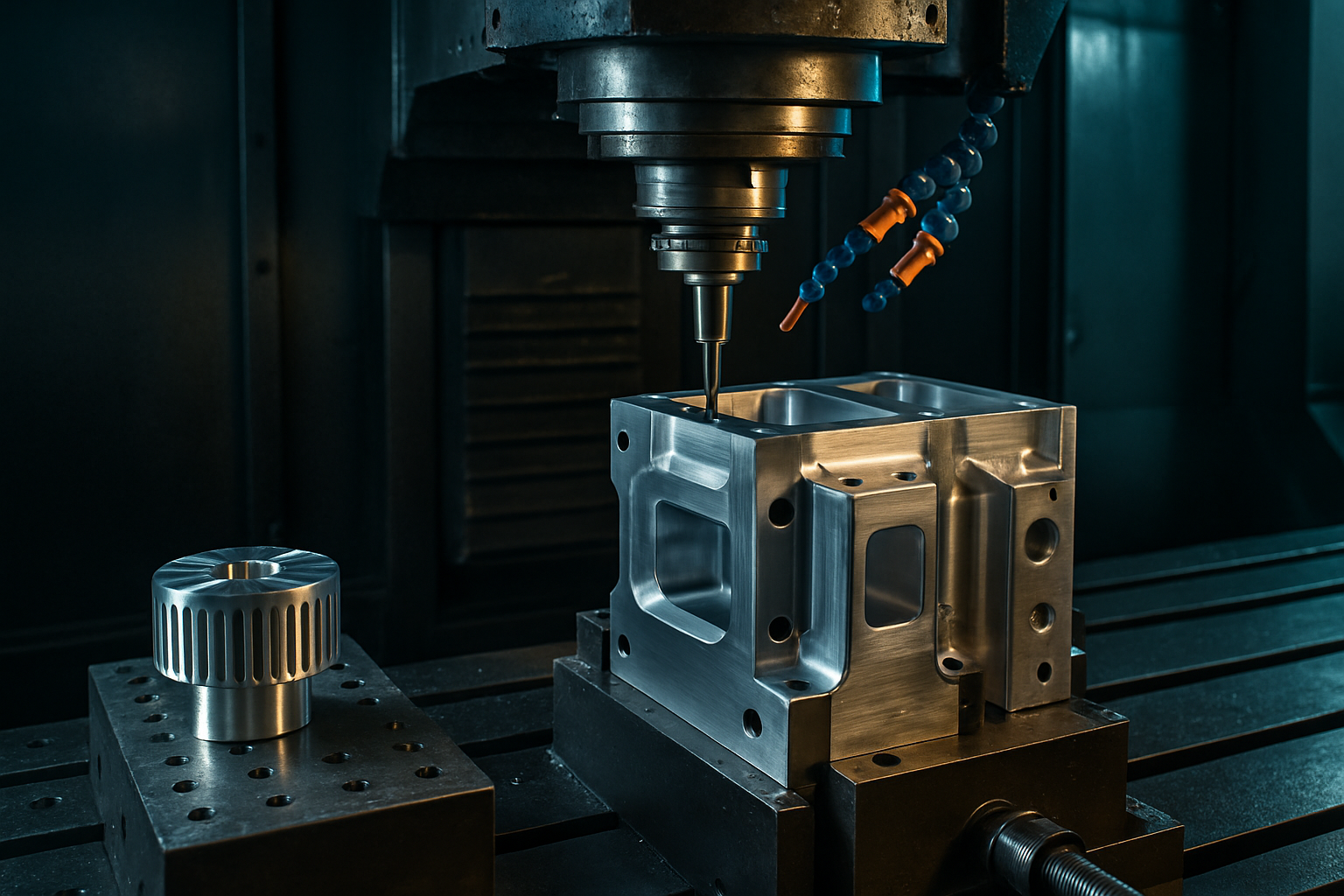
Scaling from Prototype to Production: CNC Machining Considerations for Australian Engineers
As you transition your design from prototype to production using CNC machining in Australia, several critical considerations come into play that can significantly impact cost, lead times, and quality. This article aims to provide actionable insights for engineers, procurement managers, and manufacturing professionals navigating this process.
Material Selection: Balancing Cost with Performance
Material selection is a pivotal decision when scaling up from prototype to production. In Australia, the choice often hinges on balancing cost efficiency with mechanical properties that meet your application's demands.
Aluminium 6061: Ideal for applications requiring lightness and moderate strength (e.g., aerospace components). Billet prices range from $25–45/kg, making it a cost-effective material. Tolerances can typically be held to ±0.1mm depending on part geometry and complexity.
Stainless Steel 316: Offers excellent corrosion resistance and is suitable for harsh environments (e.g., marine applications). Billet prices range from $70–130/kg, reflecting its higher cost but superior properties over aluminium or brass in corrosive conditions. Tolerances can be maintained at ±0.05mm.
PEEK: A high-performance thermoplastic with exceptional mechanical and chemical resistance. Ideal for components under extreme temperatures (up to 260°C) and harsh chemical environments. Billet prices are approximately $800–1,600/kg, reflecting its premium status but critical in ensuring longevity of the end product.
Common Mistakes to Avoid
- Ignoring Local Supply Chain: Relying solely on imported materials can lead to significant delays due to shipping and customs processes.
- Underestimating Complexity Costs: More intricate designs require more machine time, which can dramatically increase costs. A simple cube may cost $50 in machining fees, but a complex part with many features could easily exceed $150-$300 per hour for specialised machines.
Decision Framework: Choose When to Optimize
- Opt for Aluminium 6061 when: You need parts that are both lightweight and within budget constraints.
- Choose Stainless Steel 316 when: Your design requires corrosion resistance in harsh environments.
- Select PEEK when: High temperatures or chemical exposure is a concern, ensuring mechanical integrity without compromising on performance.
Quick Reference: Key Specs and Decision Points
- Material Cost: Aluminium 6061 ~$25–45/kg; Stainless Steel 316 ~$70–130/kg; PEEK ~$800–1,600/kg.
- Tolerances: ±0.1mm for aluminium, ±0.05mm for stainless steel and PEEK parts.
- Machining Rates: $120-$300/hr based on machine type and part complexity.
Practical Takeaway
As you scale from prototype to production using CNC machining in Australia, focus first on material selection that aligns with your cost and performance needs. Ensure you factor in the realities of the local supply chain and understand how design complexity can impact machining costs. By making informed decisions at each stage, you set a solid foundation for producing high-quality parts efficiently and economically.
This approach not only helps streamline production but also ensures that every component meets or exceeds your project’s requirements without unnecessary expense or delay.
Free quote in 2 business days. No minimum order.