Scaling Up Your Prototype with CNC Machining Tips
Rapid Manufacturing
Author
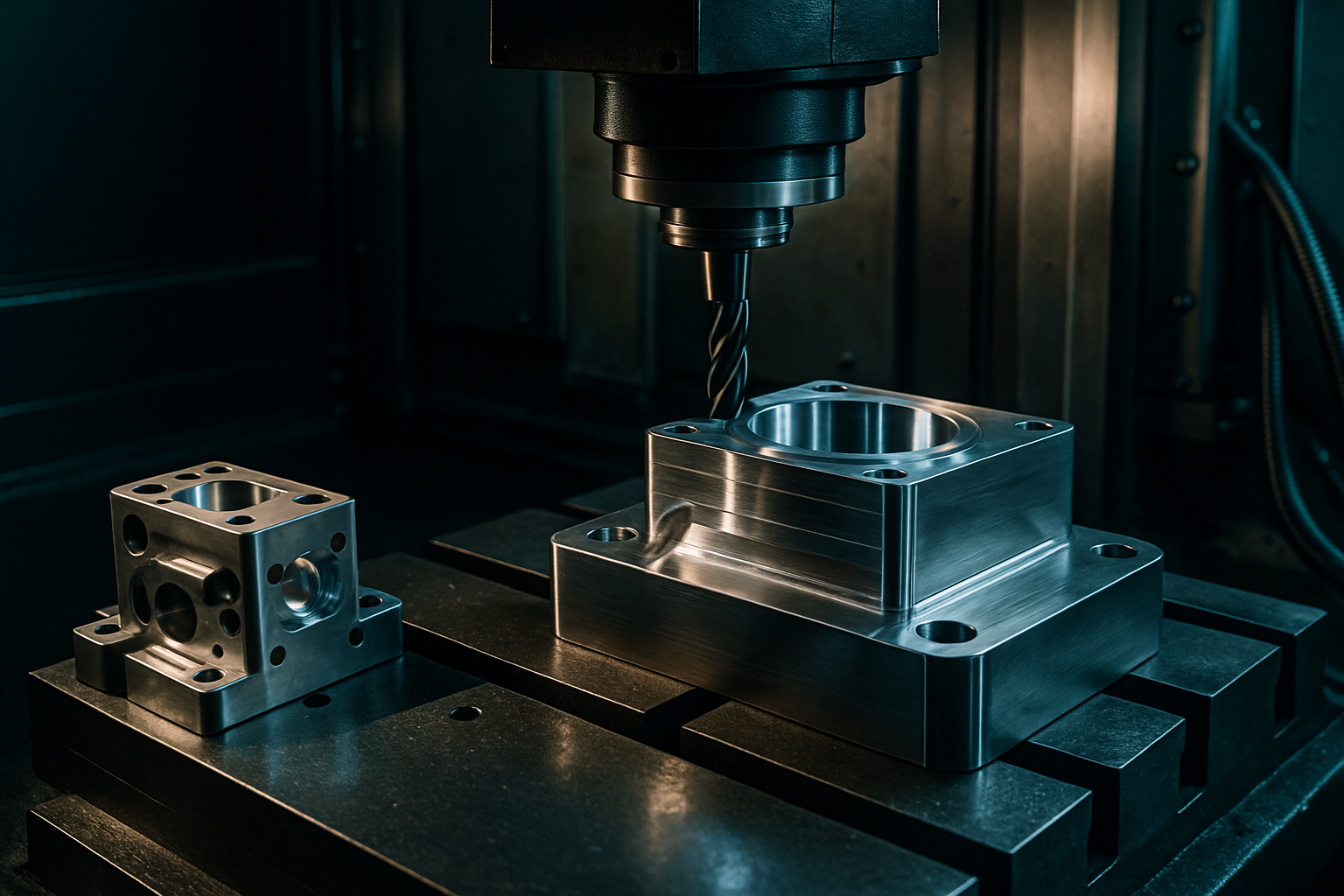
Scaling from Prototype to Production: CNC Machining Considerations for Australian Engineers and Manufacturing Professionals
Transitioning a CNC-machined prototype into full production is a critical step in product development that requires careful planning and consideration of various factors. In Australia, engineers must navigate unique challenges such as material availability, compliance with local standards, and supply chain dynamics.
Material Selection: Balancing Cost and Performance
Choosing the right material is crucial for both cost-effectiveness and performance. For many applications, aluminium 6061 and stainless steel 316 are popular choices due to their balance of strength, weight, and machinability. Aluminium 6061 is approximately $25–45/kg in Australia, making it ideal for low-cost production runs where non-corrosive properties are not critical. Stainless steel 316 is significantly more expensive at around $70–130/kg but offers superior corrosion resistance and durability, making it suitable for harsh environments or marine applications.
When selecting materials, consider the following:
- Material Properties: Ensure that the chosen material meets the mechanical requirements of your application.
- Local Supply Chain: Verify that the material is readily available in Australia to avoid delays caused by international shipping.
- Certification Compliance: Use materials certified according to Australian standards (AS/NZS) for safety and regulatory compliance.
Production Planning: Sizing Up Your Manufacturing Needs
Scaling up from a single prototype part to full production involves significant changes in manufacturing processes. Here are key considerations:
Tooling Costs: CNC machining requires custom tooling, which can be costly. For small production runs (1-50 pieces), it might be more economical to use general-purpose tools and rely on skilled machinists who can adjust settings manually for efficiency.
Lead Times: Production lead times can vary widely depending on material availability and order volume. Aim to secure materials early, as some exotic alloys or composites may have longer lead times due to limited local supply.
Machine Capacity: Ensure your chosen CNC shop has the capacity to handle your production needs without compromising quality or timing. In Australia, a typical three-axis machine might cost $120–$300 per hour depending on its capabilities and complexity of work required. For high-volume production, consider multi-axis machines which can reduce machining time significantly.
Common Mistakes to Avoid
- Overlooking Material Availability: Relying heavily on imported materials can lead to extended lead times and increased costs.
- Ignoring Certifications: Failing to ensure that your chosen material or process meets Australian standards (AS/NZS) could result in product recalls or safety issues.
- Underestimating Tool Costs: Not accounting for the cost of custom tooling can significantly impact production budgets.
Quick Reference: Key Specs and Decision Points
- Material Choice: Aluminium 6061 ($25–45/kg), Stainless Steel 316 ($70–130/kg)
- Machine Capacity Check: Verify CNC shop’s ability to handle your volume
- Lead Times for Materials: Ensure materials are locally available or plan for international shipping delays
By carefully evaluating material selection, production planning, and common pitfalls, Australian engineers can successfully scale their prototype designs into robust manufacturing processes that meet both cost and quality targets.
Free quote in 2 business days. No minimum order.