Reshoring Manufacturing to Australia 2026 Trends Benefits Growth
Rapid Manufacturing
Author
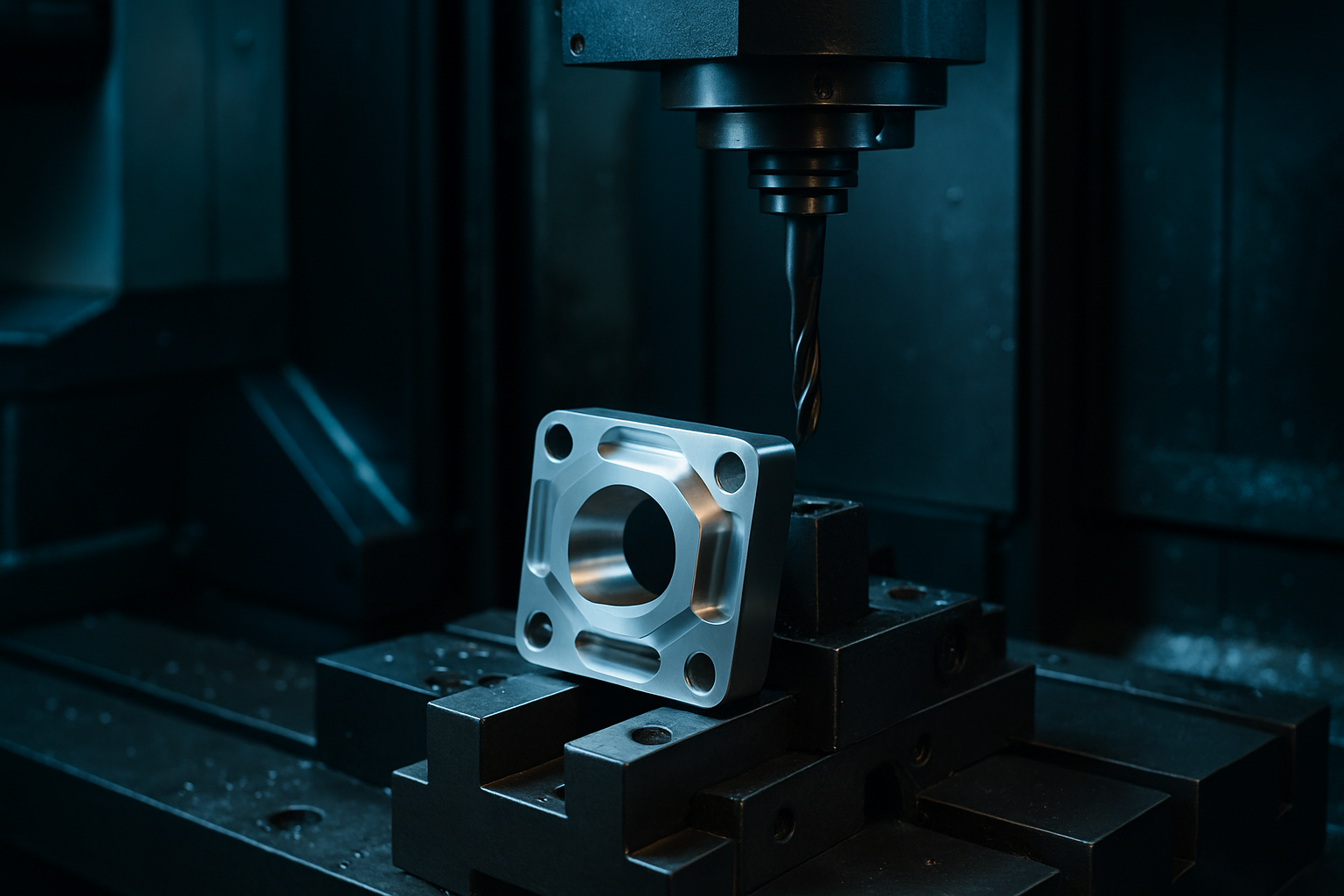
Reshoring Manufacturing to Australia: 2026 Trends and Benefits for Engineers, Procurement Managers, and Manufacturing Professionals
As global supply chains adapt to new economic realities and geopolitical shifts, reshoring manufacturing back to Australia presents a compelling opportunity for local industries. This trend is driven by increased focus on supply chain resilience, quality control, and adherence to stringent Australian standards such as AS/NZS 1200:2017 (Steel sections) and AS1698-2014 (Foundations). For professionals involved in engineering, procurement, and manufacturing, reshoring can offer significant advantages in terms of cost efficiency, lead times, and quality assurance.
Cost Efficiency and Lead Time Reduction
Reshoring to Australia can reduce material costs through closer proximity to raw material suppliers. For instance, aluminium 6061 billet sourced locally is typically cheaper compared to imported materials due to lower transportation costs and tariffs. The Australian market price for aluminium 6061 ranges from $25 to $45 per kilogram, whereas overseas prices can be higher by up to 30% when accounting for shipping and customs duties.
Moreover, local production minimizes lead times, a critical factor in fast-moving markets where demand is unpredictable. A part that would take weeks to arrive from an offshore manufacturer can often be completed within days or even hours locally. For example, machining stainless steel 316 (material cost ~$70–130/kg) into complex parts typically takes around 24-48 hours in an Australian CNC shop versus 5-10 days from Asia.
Material Recommendations and Common Mistakes to Avoid
When choosing materials for reshored projects, consider the following:
- Aluminium 6061: Ideal for lightweight components with good mechanical properties. Its cost (~$25–45/kg) makes it economically viable for larger production runs.
- Stainless Steel 316: Suitable for applications requiring corrosion resistance and high durability in harsh environments (e.g., marine or chemical processing). Ensure local suppliers can meet the Australian standard AS/NZS 2075 for stainless steel pipes and fittings.
Common mistakes to avoid include:
- Overlooking local supply chain dynamics. Always verify material availability with domestic suppliers before committing to a project timeline.
- Failing to account for transportation costs in cost-benefit analyses, which can significantly offset the initial price advantage of imported materials.
Decision Frameworks for Reshoring
To decide whether reshoring is appropriate for your project, consider these factors:
- Choose local production when: Lead times are critical and cannot be compromised; material costs are lower locally due to proximity to suppliers.
- Consider offshore production when: You need access to specialized materials or technologies not readily available in Australia; economies of scale can significantly reduce unit costs.
Quick Reference: Key Specifications for Reshoring Decisions
- Local Material Cost Advantages: Aluminium 6061 ~$25–45/kg, Stainless Steel 316 ~$70–130/kg
- CNC Machining Lead Times: Up to 2 days vs. up to 1 week for overseas
- Quality Assurance Standards: AS/NZS 1200:2017 (Steel sections), AS1698-2014 (Foundations)
Practical Takeaway
For immediate application, start by evaluating your current supply chain and identifying components that could benefit from local production. Engage with Australian manufacturers to understand their capabilities and pricing structures. This proactive approach will not only enhance your project timelines but also align you with the growing trend of reshoring in Australia.
By embracing these trends and strategies, professionals can leverage the unique advantages of reshoring manufacturing back to Australia, ensuring robust supply chains and superior product quality for years to come.
Free quote in 2 business days. No minimum order.