Reshoring Manufacturing to Australia 2026 Trends Benefits
Rapid Manufacturing
Author
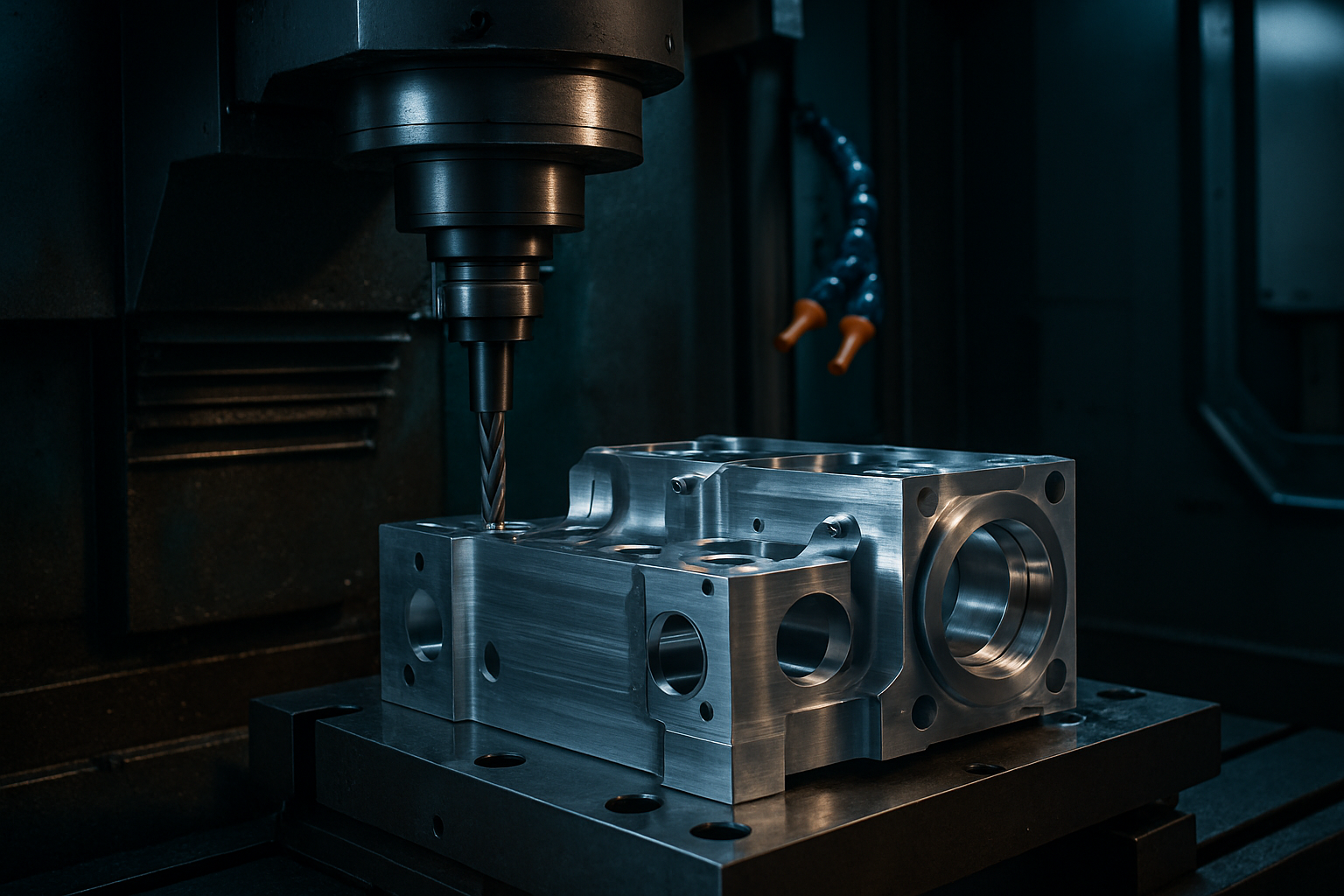
Reshoring Manufacturing to Australia: 2026 Trends and Benefits for Australian Engineers, Procurement Managers, and Manufacturing Professionals
As global supply chains continue to evolve in response to economic, political, and logistical pressures, reshoring manufacturing operations back to Australia is becoming an increasingly viable option. For engineers, procurement managers, and manufacturing professionals, understanding the trends, benefits, and practical considerations of bringing production closer to home is crucial for long-term success.
Key Benefits of Reshoring Manufacturing in Australia
-
Supply Chain Reliability: Reducing reliance on international suppliers mitigates risks associated with global supply chain disruptions. Domestic sourcing offers faster delivery times and more reliable lead times, typically ranging from 1 to 6 weeks versus the 8 to 20 weeks common for overseas shipments.
-
Quality Control: Local production allows for tighter control over manufacturing processes, ensuring adherence to Australian standards such as AS/NZS ISO 9001. This can result in higher quality products that meet stringent local safety and environmental regulations.
-
Cost Efficiency: While initial setup costs may be high due to the need for new machinery or tooling, long-term operational savings often outweigh these costs. For instance, CNC machining rates are approximately $120–$300/hr, which is competitive compared to inflated international shipping and customs fees.
Material Recommendations and Cost Considerations
When choosing materials for reshored manufacturing projects in Australia, consider the following:
-
Aluminium 6061: Ideal for applications requiring a balance of strength, corrosion resistance, and ease of machining. Billet prices range from $25 to $45/kg.
-
Stainless Steel 316: Suitable for high-stress environments with corrosive agents due to its superior durability and chemical resistance. Billet prices are approximately $70–$130/kg.
-
PEEK (Polyether Ether Ketone): For demanding applications that require thermal stability, wear resistance, and biocompatibility. PEEK billets cost between $800 and $1,600/kg.
Common Mistakes to Avoid
-
Overlooking Local Regulations: Familiarize yourself with Australian safety standards like AS/NZS 4326 for packaging and handling of materials to avoid costly rework or legal issues.
-
Underestimating Setup Costs: Ensure a thorough budget that includes initial investments in machinery, tooling, and workforce training. A rule of thumb is to allocate at least 15% of the total project cost for these one-time expenses.
Quick Reference: Key Specs and Decision Points
- Material Choice: Choose Aluminium 6061 when seeking a balance between strength and weight; Stainless Steel 316 if corrosion resistance is critical.
- Supplier Selection: Prioritize suppliers certified to AS/NZS ISO 9001 for reliable quality control processes.
- Budgeting: Allocate at least 15% of the total project cost towards initial setup expenses.
Practical Takeaway
To kickstart your reshoring initiative, begin by conducting a thorough supply chain audit. Identify critical components or products that are currently sourced internationally and assess their suitability for domestic production based on quality requirements and lead time constraints. Engaging with local manufacturing partners early can provide valuable insights into the feasibility and cost implications of reshoring specific parts.
By focusing on these practical steps, you can make informed decisions that align your manufacturing strategy with Australia's unique market conditions and regulatory landscape.
Free quote in 2 business days. No minimum order.