Reshoring Manufacturing to Australia in 2026 Trends and Benefits
Rapid Manufacturing
Author
Reshoring Manufacturing to Australia: 2026 Trends and Benefits for Australian Engineers
Reshoring manufacturing back to Australia in 2026 offers numerous benefits for engineers, procurement managers, and manufacturing professionals, particularly amid global supply chain disruptions and rising logistics costs. This post outlines the key trends, actionable advice, and practical considerations to support a successful reshoring strategy.
Key Trends Driving Reshoring
In 2026, several significant trends are driving companies to consider reshoring their manufacturing operations back to Australia:
- Supply Chain Security: The global pandemic highlighted vulnerabilities in international supply chains, pushing businesses to seek more reliable and secure local options.
- Technological Advancements: Investments in automation, robotics, and Industry 4.0 technologies have made Australian manufacturing facilities highly competitive on a global scale.
- Economic Incentives: Government initiatives like the Modern Manufacturing Strategy offer financial incentives for companies that bring production back to Australia.
Practical Reshoring Advice
Material Recommendations
Choosing the right materials is critical for both performance and cost-effectiveness in reshored products:
- Aluminium 6061: Ideal for structural applications requiring high strength-to-weight ratios. At approximately $35/kg, it balances cost with durability.
- Stainless Steel 316: Perfect for corrosive environments due to its excellent chemical resistance. It costs around $95/kg but is essential in food processing and marine equipment manufacturing.
- PEEK (Polyether Ether Ketone): An advanced polymer offering high temperature resistance and low friction, suitable for aerospace and medical devices. PEEK can cost up to $1,200/kg.
Common Pitfalls to Avoid
Reshoring without proper planning can lead to costly mistakes:
- Ignoring Lead Times: Australian suppliers typically offer shorter lead times compared to international ones, but it's crucial to communicate early and clearly.
- Overlooking Quality Standards: Ensure compliance with AS/NZS standards for quality assurance in local manufacturing processes.
- Neglecting Logistics Costs: While reshoring reduces shipping costs, consider the cost of raw materials and energy in your decision-making.
Decision Frameworks
To make informed decisions about reshoring:
- Choose Local Suppliers When Lead Times Are Critical: Opt for Australian suppliers to minimize delays and ensure timely delivery.
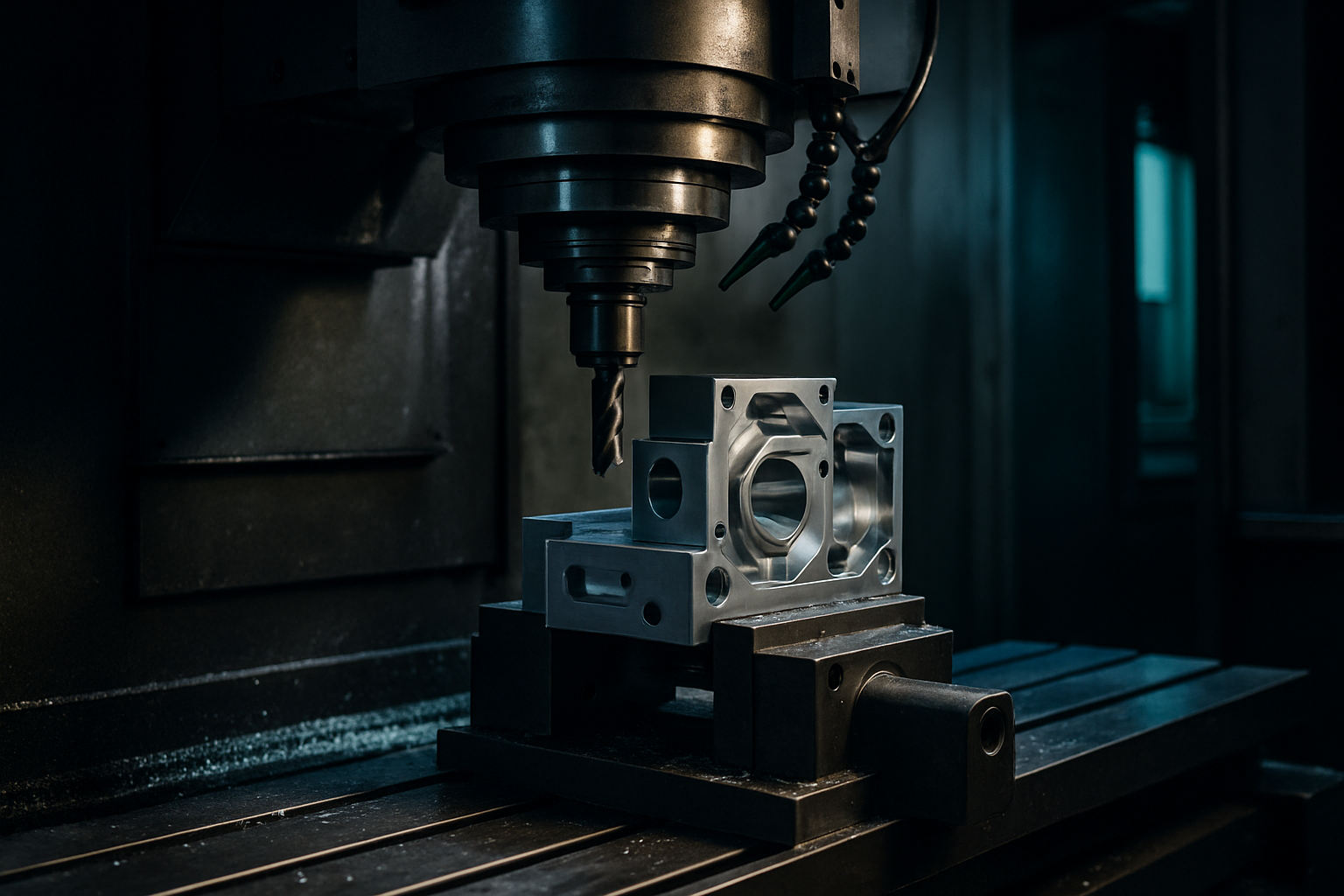
- Select Advanced Manufacturing Techniques When High Precision Is Needed: Utilize CNC machining with tolerances up to ±0.1mm, which is highly beneficial in aerospace or medical device manufacturing.
Quick Reference Specifications
When reshoring your manufacturing process:
- Material Tolerances: Aluminium 6061 can achieve machined tolerances of ±0.05mm.
- Lead Times: CNC machining in Australia typically offers lead times between 2 and 7 days, depending on complexity.
- Cost Considerations: Verify material costs with local suppliers as they vary significantly based on grade and availability.
Practical Takeaway
By leveraging the strategic advantages of reshoring to Australia—secure supply chains, advanced manufacturing technologies, and government incentives—you can enhance your product quality while reducing operational risks. Start by evaluating your current supply chain dependencies and identifying high-risk components that would benefit from local production. Engage with Australian suppliers early in your planning phase to ensure compliance with AS/NZS standards and optimize your manufacturing processes accordingly.
This approach will not only bolster your business resilience but also contribute positively to the broader Australian economy.
Free quote in 2 business days. No minimum order.