Rapid Prototyping Unleashed CNC from Concept to Reality
Rapid Manufacturing
Author
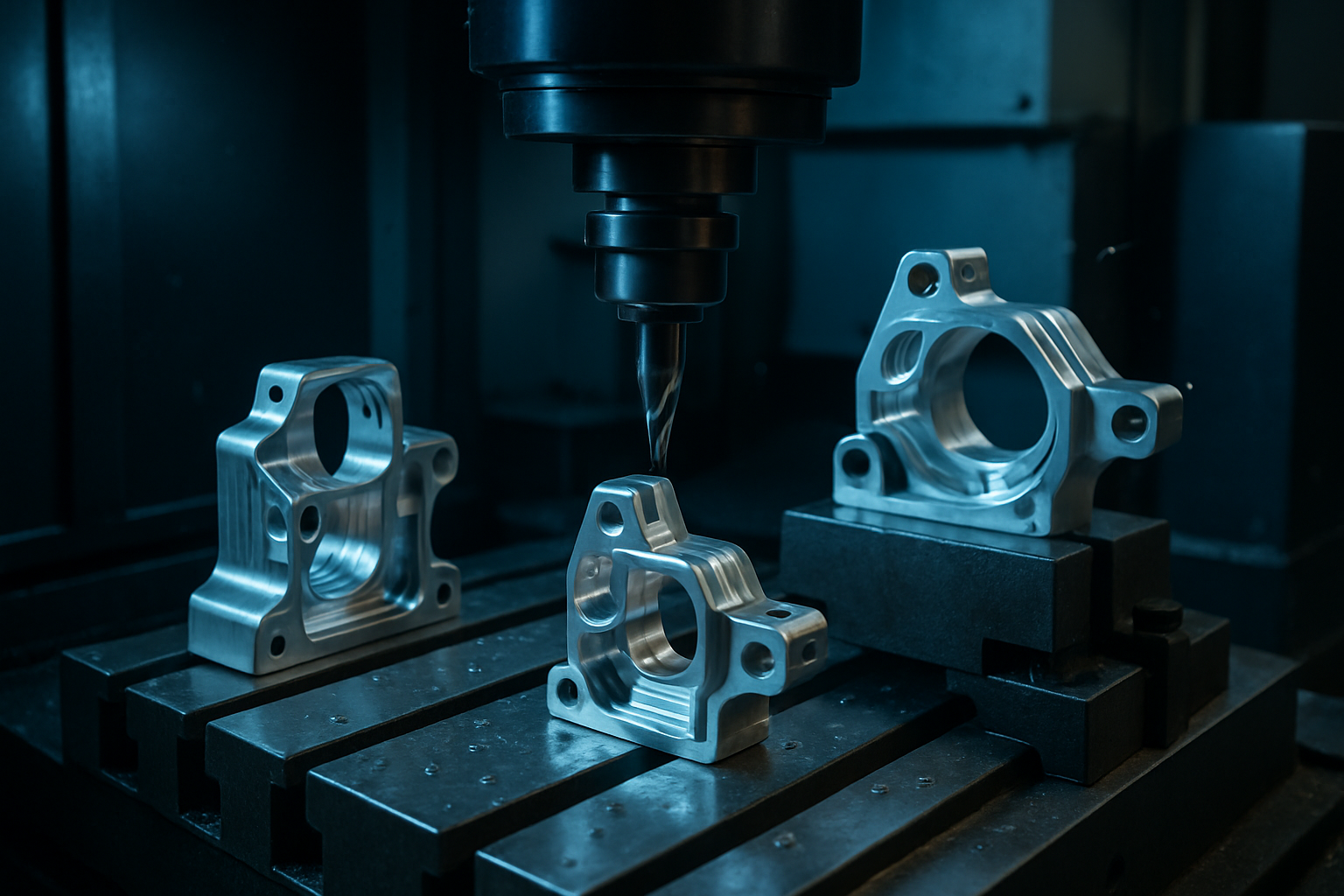
Introduction to Rapid Prototyping with CNC in Australia
Rapid prototyping using Computer Numerical Control (CNC) machining is a cornerstone of modern manufacturing, allowing Australian engineers and procurement managers to swiftly iterate on designs before committing to large-scale production runs. This process can significantly reduce time-to-market and minimise development costs by providing accurate physical representations for testing and validation.
Key Considerations: Material Selection & Tolerances
When embarking on rapid prototyping in Australia, the choice of material is crucial. For lightweight but strong applications, Aluminium 6061 is a top pick at approximately $25–45 per kilogram. It offers excellent machinability and corrosion resistance, making it ideal for parts ranging from aerospace components to consumer electronics enclosures.
For high-corrosion resistance and durability under harsh conditions, Stainless Steel 316 comes into play with a price range of around $70–130 per kilogram. This material is particularly suited for marine applications or environments exposed to chemicals due to its superior corrosion properties compared to other stainless steel grades.
On the flip side, if weight and stiffness are paramount concerns, Titanium might be considered, despite its hefty price tag of roughly $500–800 per kilogram. It's invaluable in industries such as medical devices or sports equipment where performance is critical but mass production hasn’t yet commenced.
When it comes to tolerances, a common mistake is underestimating the impact of material shrinkage and tool wear on final part accuracy. For most applications, aiming for ±0.1mm tolerance is achievable with careful setup and quality control measures in place. This level of precision ensures that parts fit together as expected during assembly testing.
Practical Steps to Success
Starting a rapid prototyping project involves several key steps:
-
Design Validation: Ensure the CAD model aligns with Australian manufacturing standards (AS/NZS 1288, AS4026) and is optimized for CNC machining.
-
Material Sourcing: Work closely with local suppliers to procure materials that meet your design specifications. For instance, billet Aluminium 6061 can be sourced from reputable Sydney-based suppliers like Metals Direct.
-
Process Planning: Choose a CNC shop based on their capabilities and proximity. Australian shops typically offer rates within the range of $120–$300 per hour, depending on machine type (lathes vs milling machines).
Quick Reference: Key Specs & Decision Points
-
Material Selection:
- Use Aluminium 6061 for lightweight and corrosion-resistant parts.
- Stainless Steel 316 for high-corrosion resistance applications.
- Titanium for weight-critical or high-performance requirements.
-
Tolerances: Aim for ±0.1mm tolerance on most CNC machined parts to ensure fitment accuracy.
-
Cost Estimation:
- Material costs: $25–45/kg for Aluminium, $70–130/kg for Stainless Steel.
- Machining rates: $120–$300/hr based on machine type and complexity of the part.
Practical Takeaway
Implementing a robust material sourcing strategy is crucial. Engage directly with local suppliers to understand availability and lead times, ensuring that your prototype timeline remains realistic. For example, if you're working with Titanium, knowing upfront about potential delays in supply can help manage stakeholder expectations more effectively.
By leveraging these insights and best practices, Australian manufacturing professionals can streamline their rapid prototyping processes, reducing both costs and time to market for innovative products.
Free quote in 2 business days. No minimum order.