PEEK Machining Unleashes High Performance in Demanding Applications
Rapid Manufacturing
Author
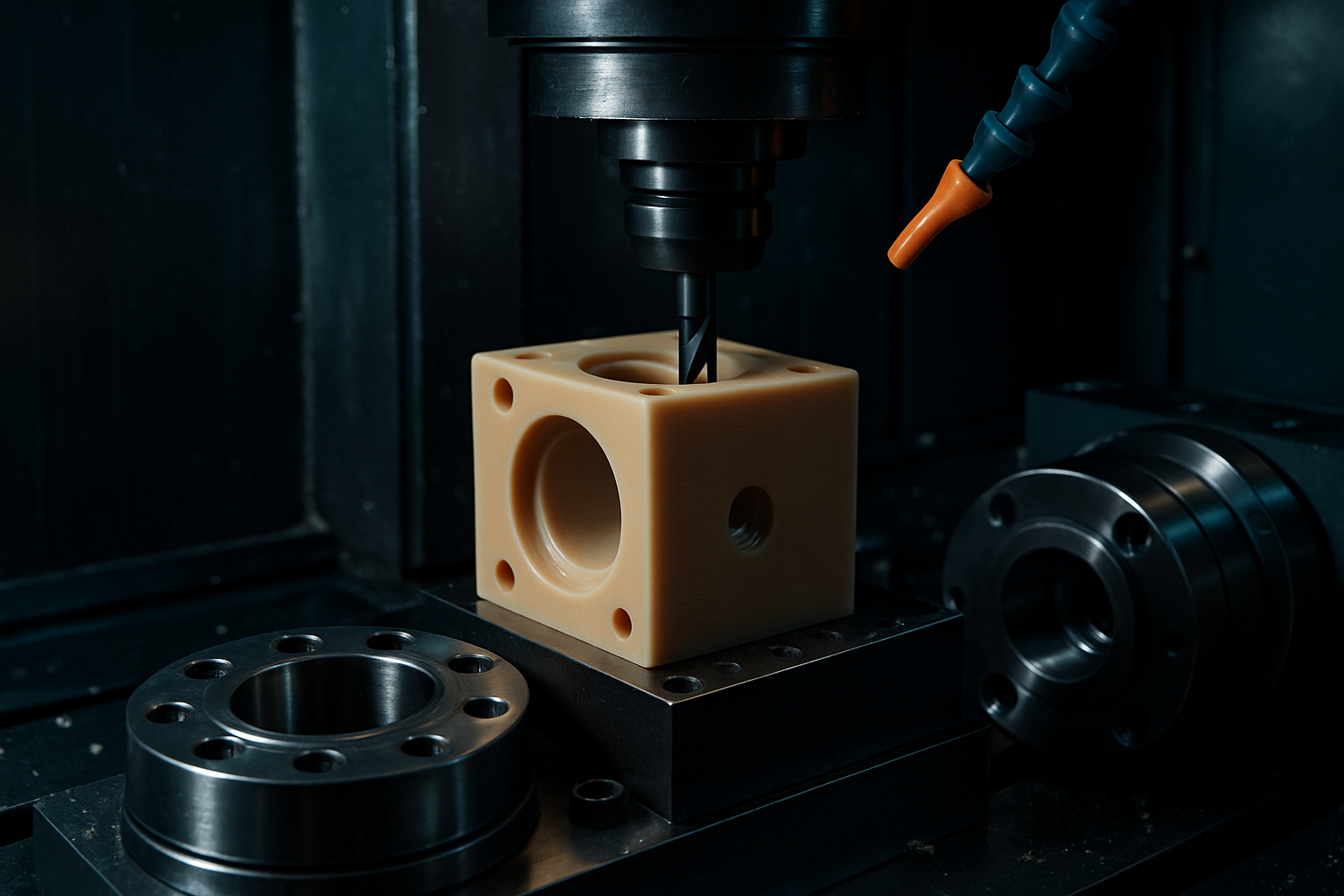
Understanding PEEK Machining: High-Performance Plastic for Demanding Applications
PEEK (Polyether Ether Ketone) is a high-performance thermoplastic that offers exceptional mechanical and chemical resistance properties. It's widely used in engineering applications where traditional materials might fall short due to their limitations. This blog post will provide Australian engineers, procurement managers, and manufacturing professionals with specific insights into machining PEEK, including material selection criteria, common pitfalls to avoid, and decision-making frameworks.
Material Selection for Demanding Applications
When selecting PEEK as a material for your application, consider the following aspects:
-
Mechanical Strength: With a tensile strength of up to 90 MPa (megapascals) and an elastic modulus of around 3.7 GPa, PEEK is well-suited for components that require both durability and flexibility.
-
Chemical Resistance: PEEK's resistance to solvents, acids, bases, oils, and alcohols makes it ideal for applications in the chemical industry or food processing machinery.
-
Temperature Stability: With a continuous operating temperature range of -200°C to 250°C (approximately), PEEK can handle both cryogenic and high-temperature environments without compromising its integrity.
-
FDA Compliance: Some grades of PEEK, such as those reinforced with carbon or glass fibres, are FDA compliant for applications involving food contact.
Common Mistakes to Avoid
Machining PEEK requires careful planning to avoid common mistakes that can lead to poor quality parts and increased costs:
-
Underestimating Material Hardness: PEEK is harder than many other plastics. Using the wrong cutting tools or speeds can result in rapid tool wear, chipping, or cracking.
-
Improper Cooling: Without proper cooling, heat buildup during machining can cause thermal degradation of PEEK material properties and increase the risk of part distortion.
-
Incorrect Tolerances: Specifying overly tight tolerances may lead to increased manufacturing costs. For example, maintaining a tolerance of ±0.1 mm is generally sufficient for most PEEK components.
Decision Frameworks
When deciding whether to use PEEK over other materials like metal or standard plastics, consider the following:
-
Choose PEEK when: Your application involves harsh environments with exposure to chemicals and high temperatures where metals might corrode or degrade.
-
Consider alternatives if: You require electrical conductivity since PEEK is an excellent insulator. In such cases, materials like copper or conductive plastics may be more appropriate.
Quick Reference
- Material Cost: $800–1600/kg (verify with supplier for current pricing)
- Mechanical Strength: Tensile strength up to 90 MPa; elastic modulus around 3.7 GPa
- Temperature Range: -200°C to 250°C continuous operating temperature
- Common Applications: Chemical processing, food handling equipment, aerospace components
Practical Takeaway
In conclusion, while PEEK offers significant advantages for demanding applications, it's crucial to understand its unique machining requirements. Consulting with a specialist in high-performance plastics can provide valuable insights and ensure optimal part quality within your Australian supply chain context.
By considering the material properties, potential pitfalls, and strategic decision-making frameworks outlined above, you'll be better equipped to leverage PEEK’s benefits while mitigating common challenges associated with this versatile thermoplastic.
Free quote in 2 business days. No minimum order.