ISO 9001 for CNC Machining Buyer Checklist
Rapid Manufacturing
Author
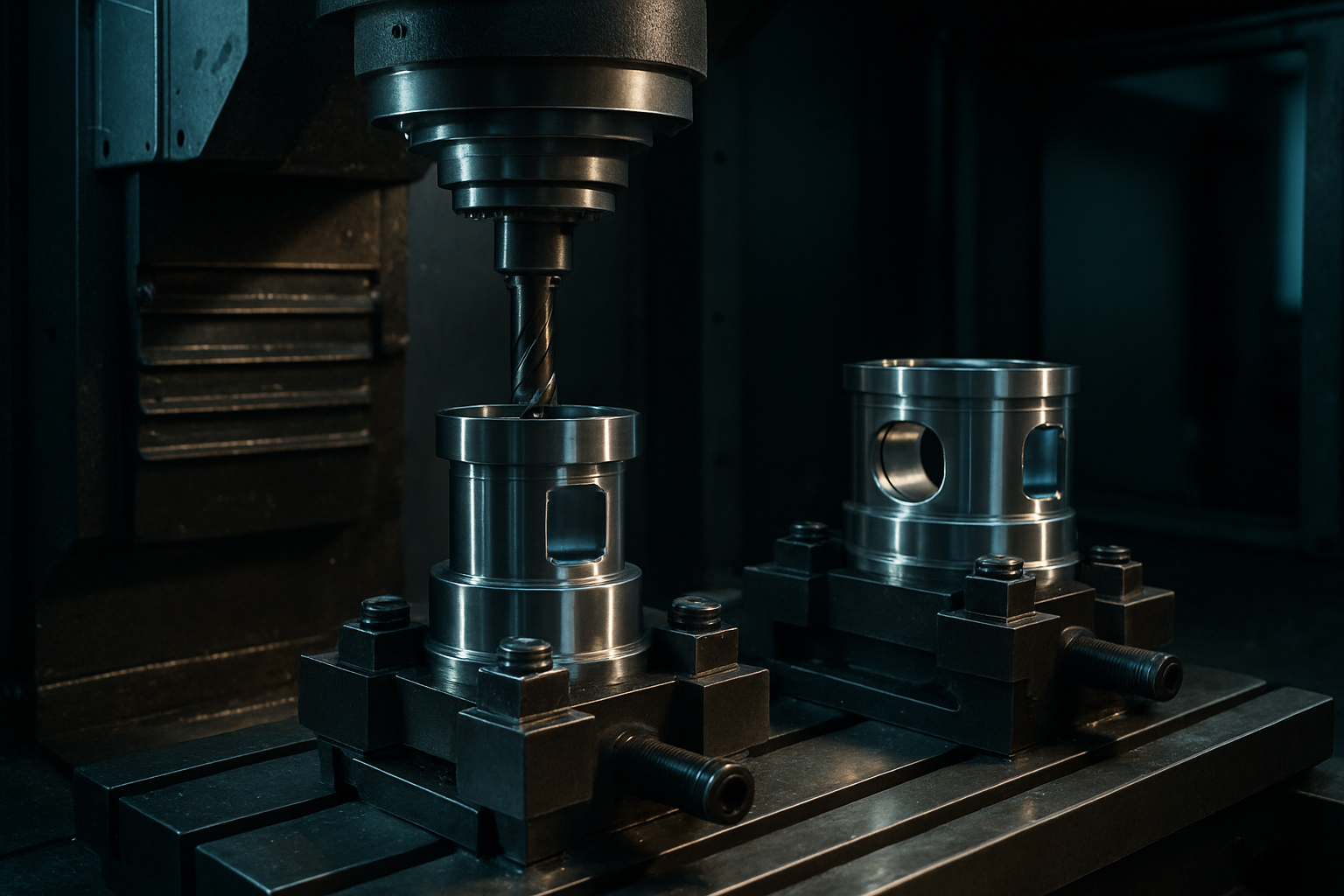
Understanding ISO 9001 for CNC Machining in Australia: What Buyers Should Verify
When it comes to CNC machining in Australia, adhering to international quality standards like ISO 9001 is crucial. This standard ensures that suppliers meet stringent requirements related to product quality and process control. For engineers, procurement managers, and manufacturing professionals operating within the Australian context, verifying whether a CNC shop meets these standards can significantly impact your project's success.
Key Elements of ISO 9001 Compliance
ISO 9001 certification encompasses several critical aspects that ensure consistent quality in production processes. Buyers should focus on assessing the following elements when evaluating potential suppliers:
-
Quality Management System (QMS): The shop must have a documented QMS that outlines all procedures and controls necessary to produce high-quality parts.
-
Process Control: This includes rigorous inspection methods, calibration of measuring tools, and adherence to tight tolerances. For instance, common CNC machining tolerances range from ±0.1mm for general applications up to ±0.025mm for precision work.
-
Supplier Approval: ISO 9001 requires suppliers to evaluate their own material providers rigorously. This ensures that the materials used in your parts meet stringent quality standards.
-
Continuous Improvement: Certified shops must continuously assess and improve their processes, ensuring ongoing compliance with international standards.
Material Selection and Considerations
Choosing the right material is crucial for both performance and cost-effectiveness. In Australia, selecting appropriate materials can also influence supply chain reliability and lead times due to import restrictions or domestic availability issues:
-
Aluminium 6061: Ideal for lightweight applications requiring good mechanical properties. Cost-effective at approximately $25–45/kg.
-
Stainless Steel 316: Highly resistant to corrosion, making it suitable for harsh environments. More expensive than aluminium, costing about $70–130/kg.
-
Titanium: Offers superior strength-to-weight ratio and durability in demanding conditions but comes with a high price tag (~$500–800/kg).
Common Mistakes to Avoid
When sourcing CNC machined parts from Australian suppliers, buyers should be vigilant against common pitfalls that can compromise part quality or lead to significant cost overruns:
-
Underestimating Material Costs: Always verify billet prices with the supplier and factor in potential variations due to market volatility.
-
Neglecting ISO 9001 Certification: Relying on non-certified shops may result in inconsistent product quality, leading to additional rework costs or part rejection by clients.
-
Ignoring Process Documentation: Ensure that detailed process control documentation is available. This includes material traceability and inspection reports for every batch produced.
Quick Reference: Key Specs & Decision Points
-
Verify ISO 9001 Certification: Confirm with the CNC shop regarding their compliance status.
-
Material Traceability: Check if suppliers can provide detailed records of material batches used in your parts.
-
Process Documentation: Ensure all quality control measures and process documentation are in place before commencing production.
Practical Takeaway
By incorporating ISO 9001 verification into your procurement processes, you enhance the reliability and consistency of CNC machined components sourced from Australian suppliers. This not only safeguards against potential manufacturing defects but also ensures that your parts meet international quality benchmarks, thereby maintaining a competitive edge in your market segment.
For immediate application, conduct an initial audit focusing on ISO 9001 compliance for any new or existing supplier you plan to work with. This proactive approach can save considerable time and resources by eliminating subpar suppliers upfront.
Free quote in 2 business days. No minimum order.