ISO 9001 for CNC Machining Buyers Guide
Rapid Manufacturing
Author
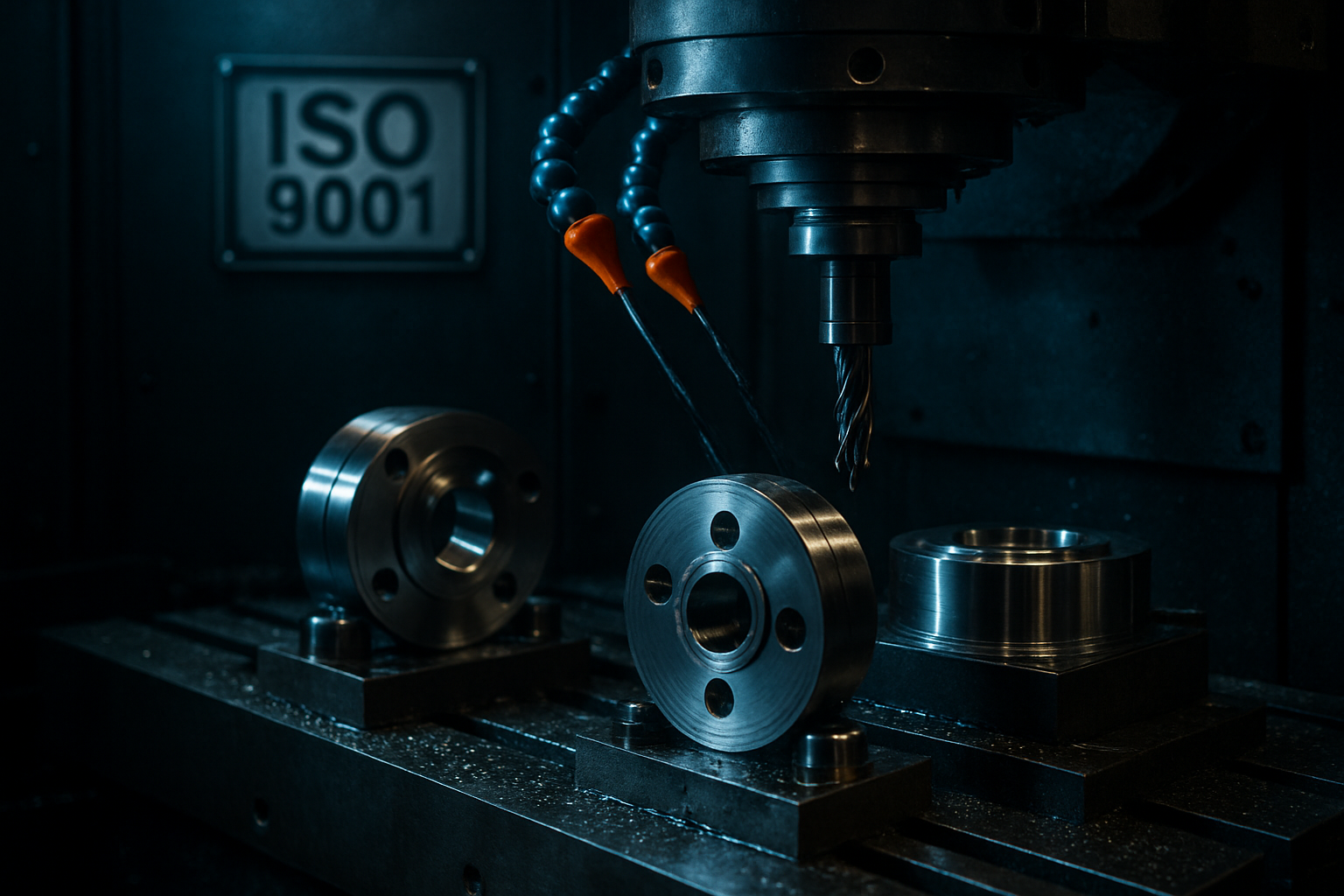
Understanding ISO 9001 for CNC Machining in Australia: What Buyers Should Verify
ISO 9001 is a widely recognised quality management system that helps organisations ensure their products and services meet the needs of customers and other stakeholders. For Australian engineers, procurement managers, and manufacturing professionals dealing with CNC machining, adhering to ISO 9001 standards can be crucial in ensuring product reliability and customer satisfaction. Here’s what buyers should verify when engaging with local or international suppliers:
Quality Assurance Documentation
When verifying ISO 9001 compliance for a CNC machined part supplier, it is essential to review the quality documentation provided by the supplier. This includes:
- ISO 9001 Certificate: Ensure that the supplier has a valid certificate issued by an accredited body.
- Quality Management System (QMS) Documentation: Review procedures and processes outlined in the QMS manual to ensure they align with ISO 9001 standards.
Material Selection and Costs
Choosing the right material for your CNC machined parts is critical. Here are some common materials used in Australian manufacturing, along with their approximate costs:
- Aluminium 6061: ~$25–45/kg for billet stock.
- Stainless Steel 316: ~$70–130/kg for billet stock.
- Titanium Grade 2: ~$500–800/kg, often used in high-stress applications requiring light weight and strength.
Common Mistakes to Avoid
Avoid these common pitfalls when procuring CNC machined parts:
- Overlooking material certifications: Always request material test reports (MTRs) for critical components.
- Ignoring lead times: Australian supply chains can be lengthy, especially for imported materials. Ensure you have accurate lead time estimates.
- Assuming tolerance standards are consistent across regions: Australian standards may vary from international norms, so specify required tolerances clearly.
Decision Framework
When choosing between different material options or suppliers:
- Choose Aluminium 6061 when weight and cost are primary concerns for structural applications.
- Choose Stainless Steel 316 when corrosion resistance is critical in marine or chemical environments.
- Select a local supplier when lead times are tight, to minimise risk.
Quick Reference: Key Specs and Decision Points
- ISO 9001 Certificate: Always verify the most recent certification from an accredited body.
- Material Certifications (MTRs): Request these for critical components.
- Tolerance Specifications: Specify ±0.02mm or better where precision is paramount.
- Supplier Lead Times: Confirm realistic estimates to avoid delays.
Practical Takeaway
By ensuring your CNC machined part supplier adheres to ISO 9001 standards and verifying material certifications, you can significantly reduce the risk of quality issues in your manufacturing process. This proactive approach will not only save time and resources but also enhance customer satisfaction by delivering high-quality parts consistently.
Contact industry experts for current pricing or further guidance on specific applications to tailor these recommendations to your project needs.
Free quote in 2 business days. No minimum order.