Die Casting vs CNC Machining Cost Quality Battle
Rapid Manufacturing
Author
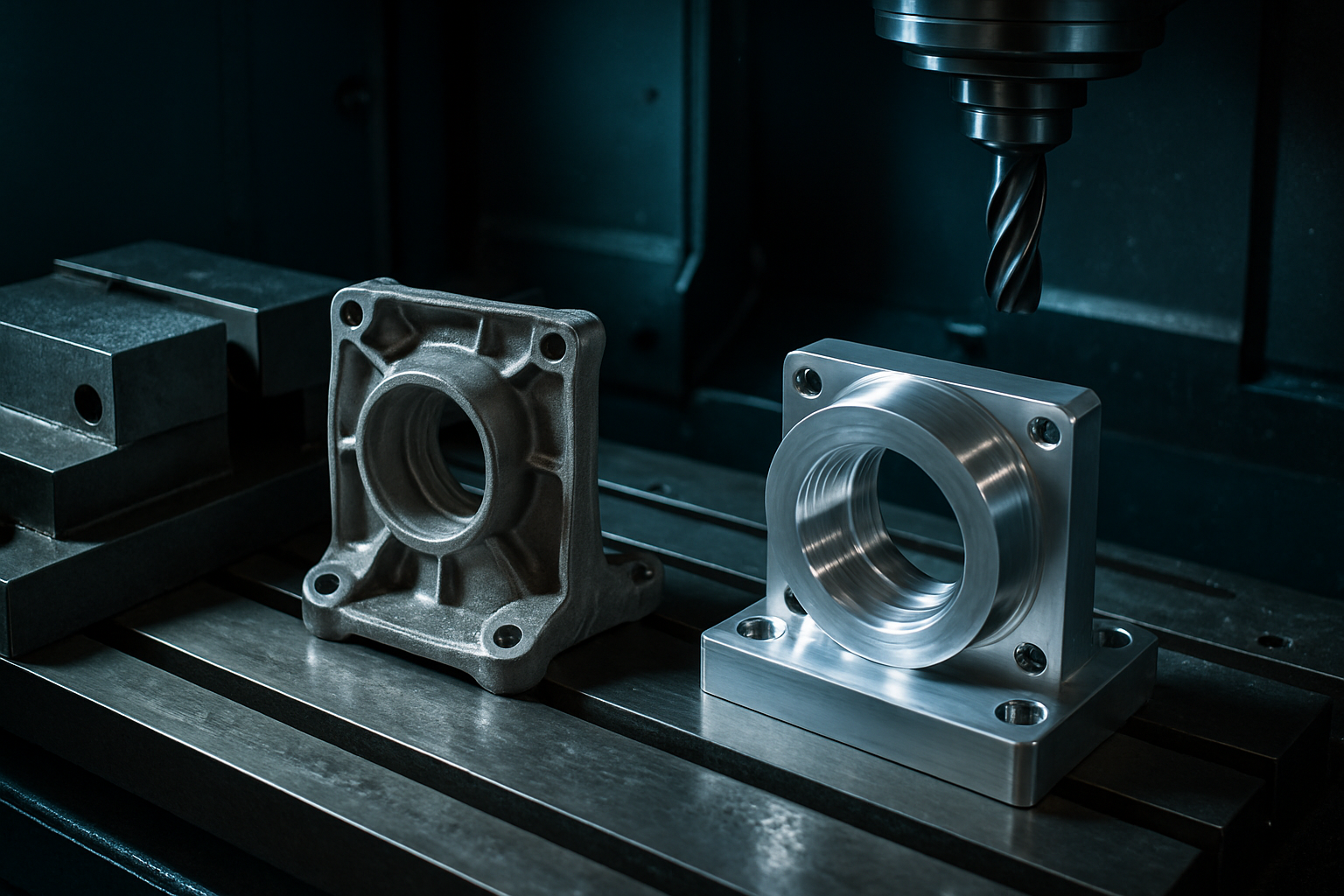
Die Casting vs CNC Machining: Cost and Quality Comparison
When Australian engineers and procurement managers are considering manufacturing processes, die casting and CNC machining present two distinct options with varying cost implications and quality outcomes. Die casting is particularly suitable for high-volume production of intricate metal parts such as those used in automotive and electronics industries. It offers economies of scale that can reduce the unit cost significantly once initial tooling costs are covered. However, these upfront investments can be substantial.
Evaluating Quality and Flexibility
In terms of quality, die casting typically provides excellent surface finish and tight tolerances due to its mould-based nature. This makes it ideal for parts where consistency is paramount across large production runs. Conversely, CNC machining offers unparalleled flexibility in design and material choice. It excels in producing small batches or custom-engineered components where precision and adaptability are key considerations.
Practical Tip
When deciding between die casting and CNC machining, consider the Australian context of regulatory compliance and supply chain efficiency. For high-demand parts that benefit from mass production, die casting can be a cost-effective solution despite initial setup costs. However, for projects requiring rapid prototyping or customisation, CNC machining offers unmatched versatility.
This approach ensures manufacturers in Australia balance budget constraints with product quality requirements effectively.
Free quote in 2 business days. No minimum order.