Delrin Acetal Precision Parts via CNC Machining Expertise
Rapid Manufacturing
Author
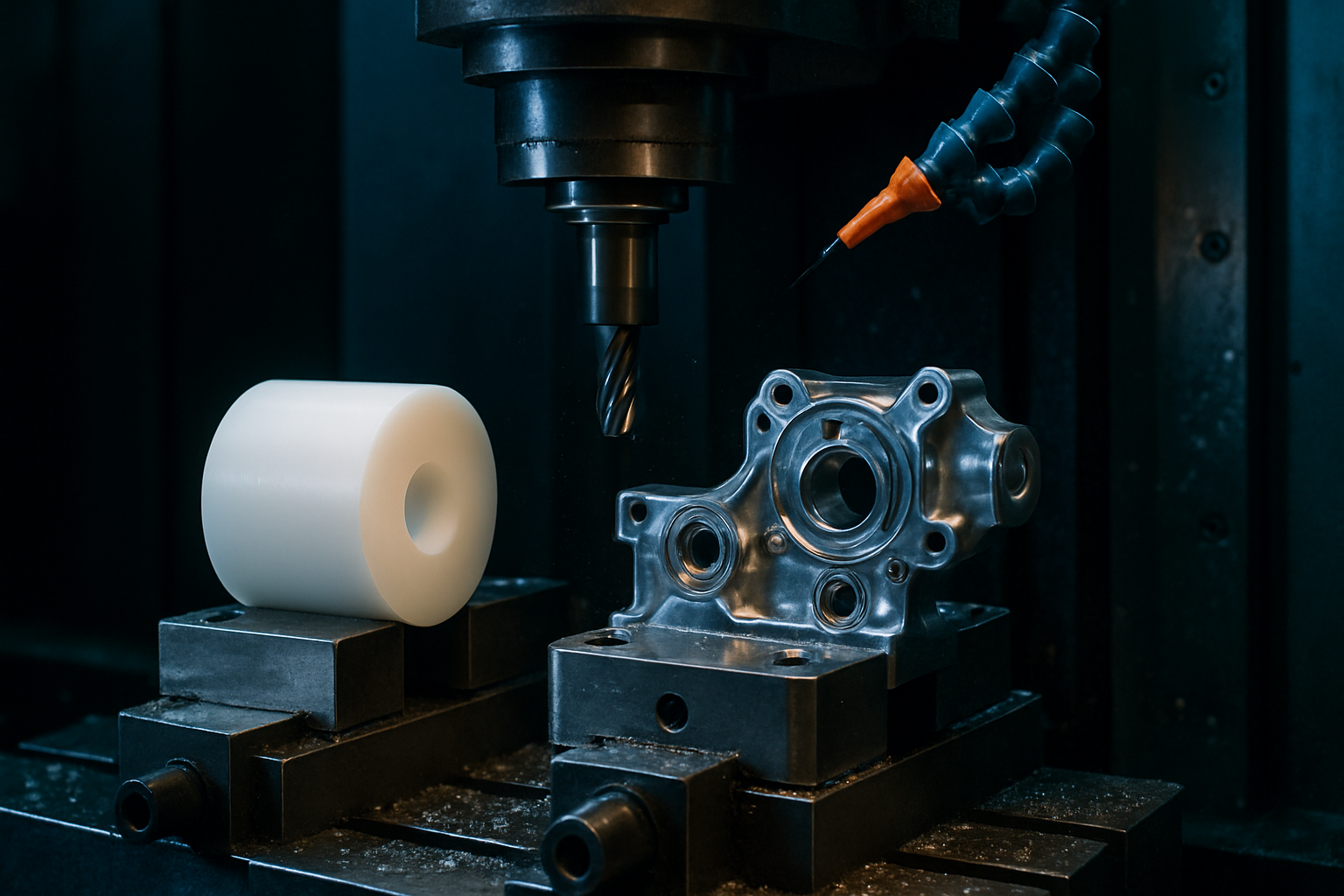
Delrin CNC Machining: Acetal for Precision Parts in Australia
Delrin, a high-performance thermoplastic, is widely utilised in Australian manufacturing due to its unique combination of mechanical properties and ease of machining. This makes it an excellent material choice for precision parts that require durability and chemical resistance without the weight or cost of metals.
Material Selection: Choosing Acetal (POM) Over Alternatives
When deciding on a thermoplastic for your CNC machined components, consider the following factors:
-
Tensile Strength: Delrin offers excellent tensile strength, making it suitable for parts that need to withstand significant loads without deformation. It is particularly advantageous over materials like PEEK in cost-sensitive applications.
-
Chemical Resistance: Acetal resists a wide range of chemicals, including aliphatic and aromatic hydrocarbons, chlorinated solvents, and oils. This characteristic makes it ideal for parts used in harsh chemical environments common in the Australian mining or agriculture sectors.
-
Thermal Properties: Delrin maintains stability at temperatures up to 105°C, which is generally sufficient for most industrial applications without requiring heat treatment like those needed for metals such as stainless steel (AISI 316) or aluminium (6061).
Practical Advice: Maximising Efficiency and Cost-Effectiveness
To optimise your Delrin machining processes in Australia:
-
Material Costs: Acetal billets are relatively affordable compared to engineering plastics like PEEK, with prices typically ranging from $50 to $120 per kilogram. Ensure you source directly from reputable suppliers to avoid premium pricing.
-
CNC Shop Rates: Be mindful of the cost implications when selecting a machining shop. Australian rates generally range between $120 and $300 per hour, depending on machine type and location. Opt for shops that offer competitive pricing while maintaining high quality standards.
-
Tolerances and Lead Times: Achieving tight tolerances (±0.05mm) is feasible with Delrin but requires careful process planning. Short lead times of 2 to 4 weeks are typical in Australia, depending on the complexity of the part and supply chain logistics.
Common Pitfalls and How to Avoid Them
-
Dimensional Instability: Be cautious about post-machining dimensional changes due to moisture absorption. Delrin can absorb up to 0.3% by weight in humid conditions (60°C/148°F), which may affect tight-fitting parts. Ensure proper storage and use of dry air during machining.
-
Surface Finish: Achieving a fine surface finish with Delrin requires attention to cutting parameters such as feed rate, spindle speed, and tool selection. High-quality carbide tools are recommended for smoother finishes without compromising the material’s integrity.
Quick Reference: Key Considerations for Delrin CNC Machining
- Material Cost: $50–$120/kg
- CNC Rates: $120–$300/hr
- Tolerances Achievable: ±0.05mm (with proper setup)
- Lead Time: 2 to 4 weeks
- Chemical Resistance: Excellent against aliphatic and aromatic hydrocarbons, chlorinated solvents, and oils
Immediate Takeaway
When specifying Delrin for your next CNC machining project in Australia, focus on its cost-effectiveness relative to other engineering plastics while carefully considering dimensional stability concerns. By understanding the nuances of material properties and machine capabilities, you can maximise both efficiency and quality.
For specific cost estimates or detailed consultation, reach out to local suppliers and machining services that align with your project requirements and budget constraints.
Free quote in 2 business days. No minimum order.