Delrin CNC Machining for Precision Parts Acetal Excellence
Rapid Manufacturing
Author
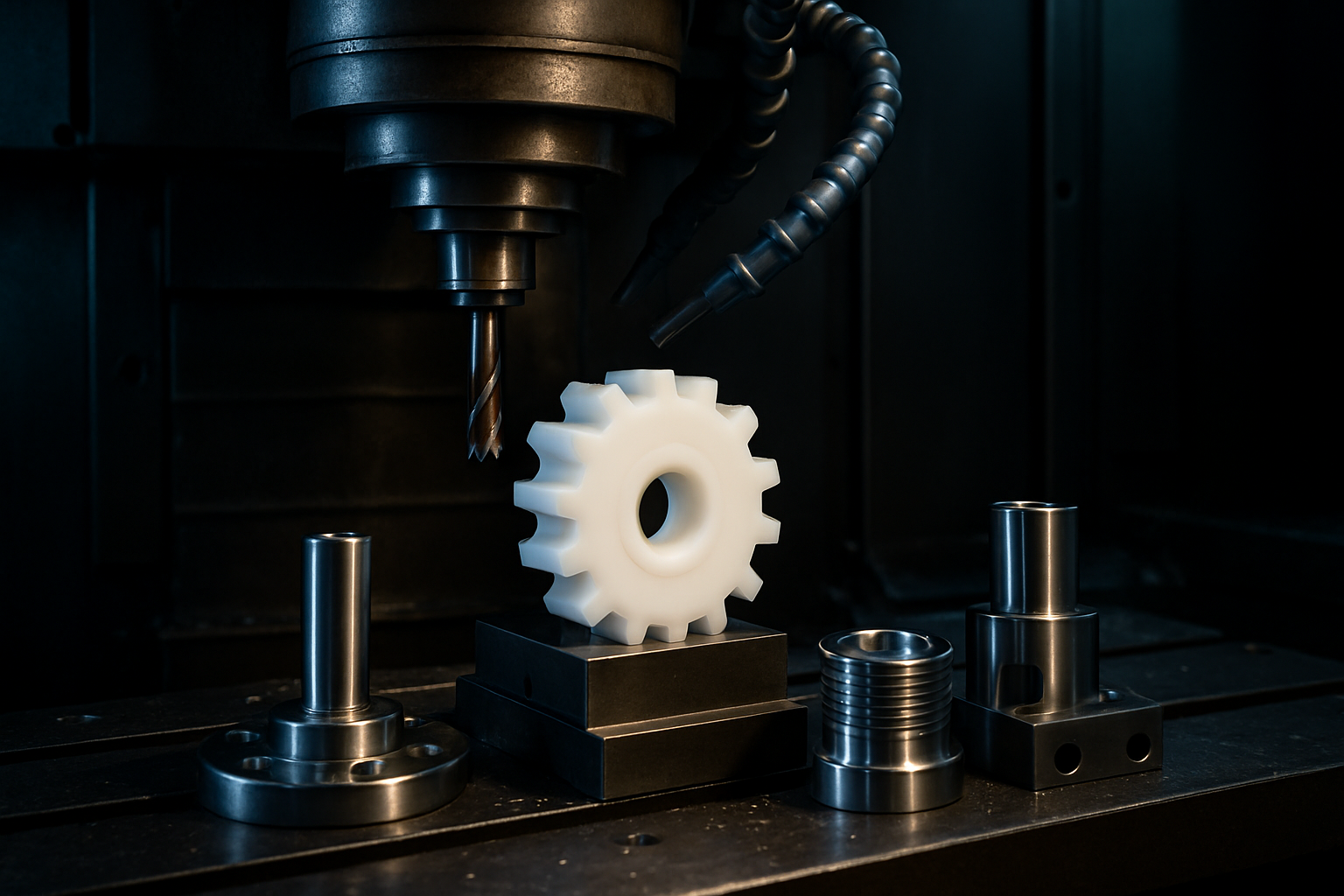
Delrin CNC Machining: Acetal for Precision Parts in Australia
Delrin, a high-performance thermoplastic known by its brand name, offers exceptional mechanical properties that make it an ideal material for precision parts manufacturing in Australia. This article provides a detailed guide on how to leverage Delrin's unique characteristics through CNC machining within the Australian context.
Material Selection and Properties
When choosing between different polymers like PEEK, nylon, or ABS, Delrin (polyoxymethylene, or POM) stands out due to its superior wear resistance, low friction coefficient, and high tensile strength. It is particularly suited for applications requiring durable components with tight tolerances, such as gears, bearings, and bushings.
Key Material Properties:
- Density: 1410 kg/m³
- Tensile Strength: ~85 MPa (at room temperature)
- Impact Resistance: High, making it suitable for parts that may experience stress or impact in service.
- Coefficient of Friction: Low (~0.3), providing excellent sliding and wear properties.
CNC Machining Considerations
Machining Delrin requires attention to specific parameters due to its unique material characteristics. For precision parts, maintaining tight tolerances (typically ±0.1 mm) is crucial. Delrin's machinability index of 25–40 on a scale from 70 for aluminum to 100 for brass means it cuts cleanly but can generate heat and fines if not properly managed.
Actionable Advice:
- Tool Selection: Use carbide or diamond-coated tools to ensure smooth cutting without damaging the material. Avoid high-speed steel (HSS) due to its lower hardness.
- Coolant Usage: While Delrin is often machined dry, coolant can be beneficial in reducing heat and minimizing part distortion during complex operations like deep drilling.
Common Mistakes and Decision Frameworks
One common pitfall when machining Delrin is setting unrealistic tolerances or operating parameters that lead to excessive wear on tools. Another mistake is failing to account for the material's tendency to absorb moisture over time, which can affect dimensional stability.
Decision Points:
- Choose Delrin when: You require a material with high strength-to-weight ratio and excellent wear properties in components under constant stress or friction.
- Avoid Delrin if: Your application demands flexibility or impact resistance; consider materials like PEEK or nylon instead for those applications.
Quick Reference
- Material Cost: ~$50–70/kg (current Australian prices)
- Machining Rate: ~$200/hr
- Tolerances: ±0.1 mm
- Coolant Use: Dry machining preferred, but coolant can be used for complex operations.
- Moisture Sensitivity: Store parts in a controlled environment to minimize dimensional changes.
Practical Takeaway
Understanding the nuances of Delrin CNC machining allows Australian manufacturers to produce precision components that meet stringent quality standards. By carefully selecting materials and adhering to best practices, engineers and procurement managers can enhance part performance while optimizing manufacturing costs within the local supply chain context. For further guidance on material selection or specific project requirements, consult with an experienced engineering team familiar with regional market dynamics.
This approach ensures not only compliance with Australian standards but also a competitive edge in global markets where precision parts are critical to product success.
Free quote in 2 business days. No minimum order.