CNC Machining Sydney Guide Local Suppliers Experts
Rapid Manufacturing
Author
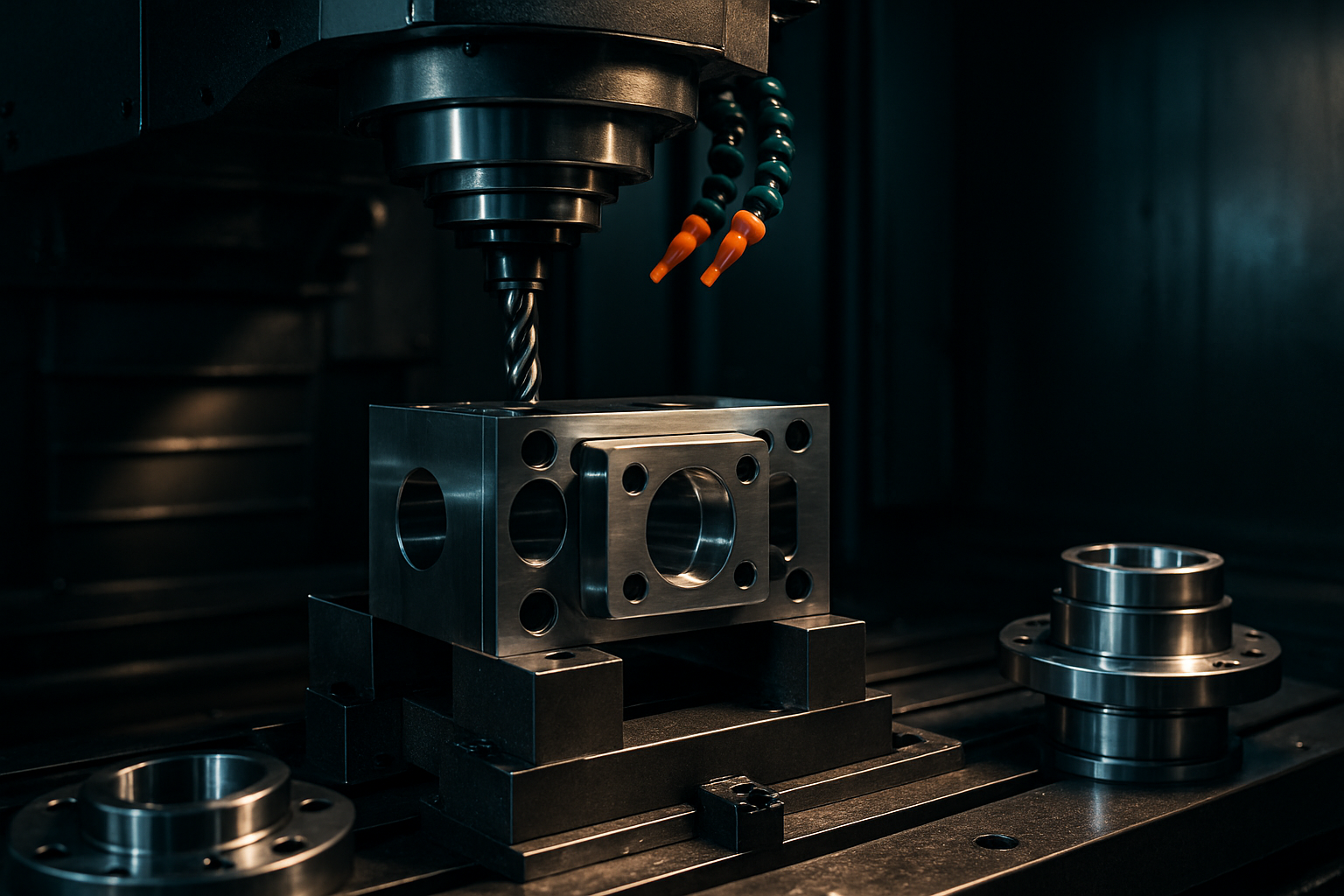
CNC Machining Sydney: A Local Supplier Guide for Australian Engineers and Manufacturing Professionals
CNC machining is a cornerstone of precision manufacturing in Australia, offering unparalleled control over material removal and form accuracy. For engineers and procurement managers based in Sydney, choosing the right local supplier can significantly impact project timelines and budgets. This guide aims to provide actionable insights into selecting CNC machining services tailored to the Australian context.
Material Recommendations for CNC Machining
Selecting the appropriate material is crucial for both performance and cost-effectiveness in CNC machined parts. Here are some common choices, along with their benefits and considerations:
- Aluminium 6061: Ideal for prototypes and low-weight structural components due to its excellent strength-to-weight ratio and good corrosion resistance. Prices range from $25–45/kg.
- Stainless Steel 316: Preferred in environments where high corrosion resistance is necessary, such as marine applications or chemical processing. Costs around $70–130/kg.
- Titanium: Offers exceptional strength-to-weight ratio and corrosion resistance but comes at a higher cost of approximately $500–800/kg.
- PEEK (Polyether Ether Ketone): Suitable for parts requiring high mechanical stability, excellent chemical resistance, and lightweight properties. Prices are around $800–1,600/kg.
When selecting materials, consider the specific requirements of your application. For instance, if you're designing a component that will be exposed to saltwater environments, stainless steel 316 would likely be more appropriate than aluminium 6061 due to its superior corrosion resistance.
Key Decision Frameworks and Considerations
Choosing between local CNC suppliers involves evaluating several factors:
- Machine Type: Ensure the supplier has the right machine for your part requirements. For example, high-speed milling machines are better suited for intricate parts with tight tolerances, whereas larger lathes might be more cost-effective for simpler cylindrical components.
- Lead Time and Capacity: Investigate each supplier’s capacity to meet deadlines without compromising on quality. A typical CNC shop in Sydney may offer lead times ranging from 2–4 weeks depending on the part complexity and material availability.
- Quality Control Standards: Look for suppliers who comply with local Australian standards (e.g., AS/NZS ISO) and have robust QC processes.
Common Mistakes to Avoid
- Underestimating Material Costs: Always verify the cost of raw materials before placing an order, as fluctuations can significantly impact your budget.
- Neglecting Tolerances: Ensure that specified tolerances are achievable within the supplier’s capabilities. For instance, achieving a tolerance of ±0.1mm might require more precise machining techniques and higher setup costs compared to ±0.25mm.
- Ignoring Post-Machining Finishes: The choice between processes like anodizing for aluminium or passivation for stainless steel can affect both the part's longevity and its appearance.
Quick Reference: Key Specs & Decision Points
-
Material Selection:
- Aluminium 6061 (low weight, moderate cost)
- Stainless Steel 316 (high corrosion resistance, higher cost)
- Titanium (extreme strength-to-weight ratio, very high cost)
- PEEK (chemical resistance and electrical insulation, high cost)
-
CNC Machine Type:
- High-speed milling for intricate parts
- Lathes for cylindrical components
-
Lead Times: 2–4 weeks based on part complexity and material availability
Practical Takeaway
Understanding the nuances of CNC machining in Sydney can help you make informed decisions that align with your project’s technical requirements and budget constraints. By focusing on material selection, machine capabilities, and quality control standards, you can streamline your manufacturing process and achieve superior results.
For immediate application, begin by comparing quotes from different suppliers based on their ability to meet your specific tolerance needs within a reasonable lead time while maintaining cost efficiency. This approach will not only ensure compliance with Australian engineering standards but also pave the way for more sustainable and reliable production cycles.
Free quote in 2 business days. No minimum order.