CNC Machining Sydney Local Supplier Guide 2023
Rapid Manufacturing
Author
CNC Machining Sydney: A Local Supplier Guide for Australian Engineers and Manufacturers
Understanding CNC Capabilities in Australia
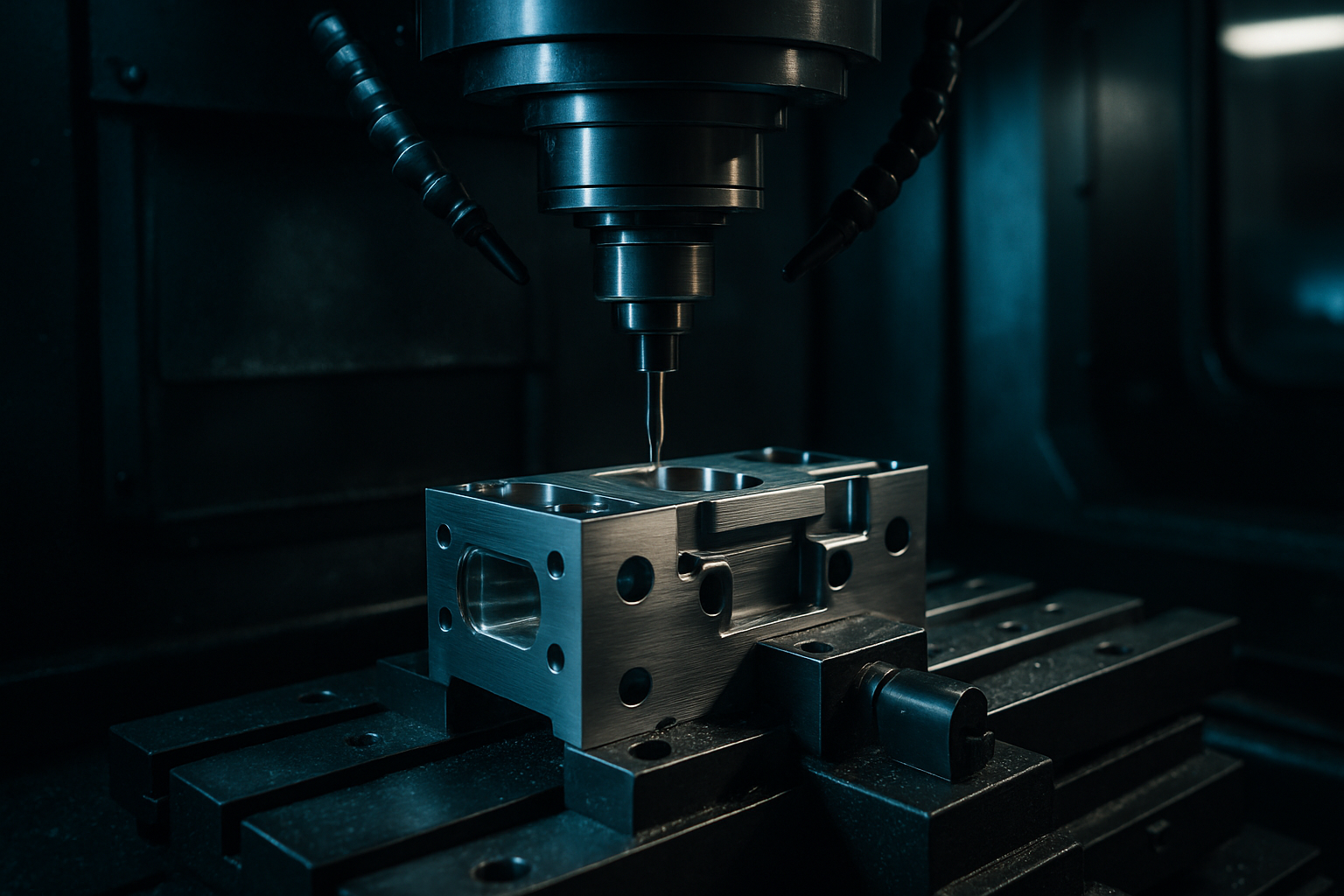
CNC (Computer Numerical Control) machining is a cornerstone of modern manufacturing in Sydney and across Australia. It offers precision down to ±0.1mm tolerances, ideal for prototyping complex parts or producing high-volume components with consistent quality. For engineers and procurement managers, choosing the right local CNC supplier can significantly impact project timelines and costs.
When selecting a CNC machining service, consider machine capabilities such as maximum workpiece size (typically up to 1m x 0.5m) and material handling capacity (up to 300kg). Commonly machined materials include aluminium alloys like 6061 and 7075 due to their excellent strength-to-weight ratio, stainless steels for corrosion resistance, and titanium for high durability.
Material Recommendations with Cost Considerations
Choosing the right material is crucial in CNC machining. Here are some practical recommendations based on typical Australian industrial needs:
- Aluminium 6061 - Ideal for light-duty parts where strength is needed without adding weight. Billet price ranges from $25 to $45 per kg.
- Stainless Steel 316 - Suitable for harsh environments and marine applications due to its excellent corrosion resistance. Costs around $70 to $130 per kg.
- Titanium Alloys (Grade 5) - Offers superior strength, fatigue resistance, and high service temperatures, making it a go-to material for aerospace components. Titanium costs between $500 and $800 per kg.
For cost-effective prototyping or non-critical parts, consider using plastics such as PEEK, which provides excellent wear resistance and temperature stability at approximately $800 to $1,600/kg.
Common Mistakes and Decision Frameworks
Avoiding common pitfalls in CNC machining can save significant time and money. Here are some critical points:
- Underestimating Material Costs: Always factor in the true cost of raw materials, especially for metals like titanium or stainless steel.
- Neglecting Lead Times: Australian supply chains might introduce longer lead times compared to global suppliers due to shipping delays and material availability issues.
When deciding between machining processes:
- Choose turning when parts require cylindrical symmetry with high precision.
- Opt for milling when complex geometries or multiple features are needed on a single part.
Quick Reference: Key Specifications
- Max Workpiece Size: 1000mm x 500mm
- Material Handling Capacity: Up to 300kg
- Typical Tolerances: ±0.1mm
- Common Materials: Aluminium, Stainless Steel, Titanium, PEEK
Practical Takeaway
Understanding the nuances of CNC machining in Sydney can greatly benefit your project’s success. By carefully selecting materials and processes based on specific needs and constraints, you can optimize both cost and quality. Engage with local suppliers to discuss bespoke solutions tailored to Australian standards and supply chain realities.
For immediate application, review existing projects for opportunities where material choice or process selection could be refined to better meet engineering specifications while remaining budget-friendly within the Australian context.
Free quote in 2 business days. No minimum order.