CNC Machining Melbourne Find Precision Manufacturers Today
Rapid Manufacturing
Author
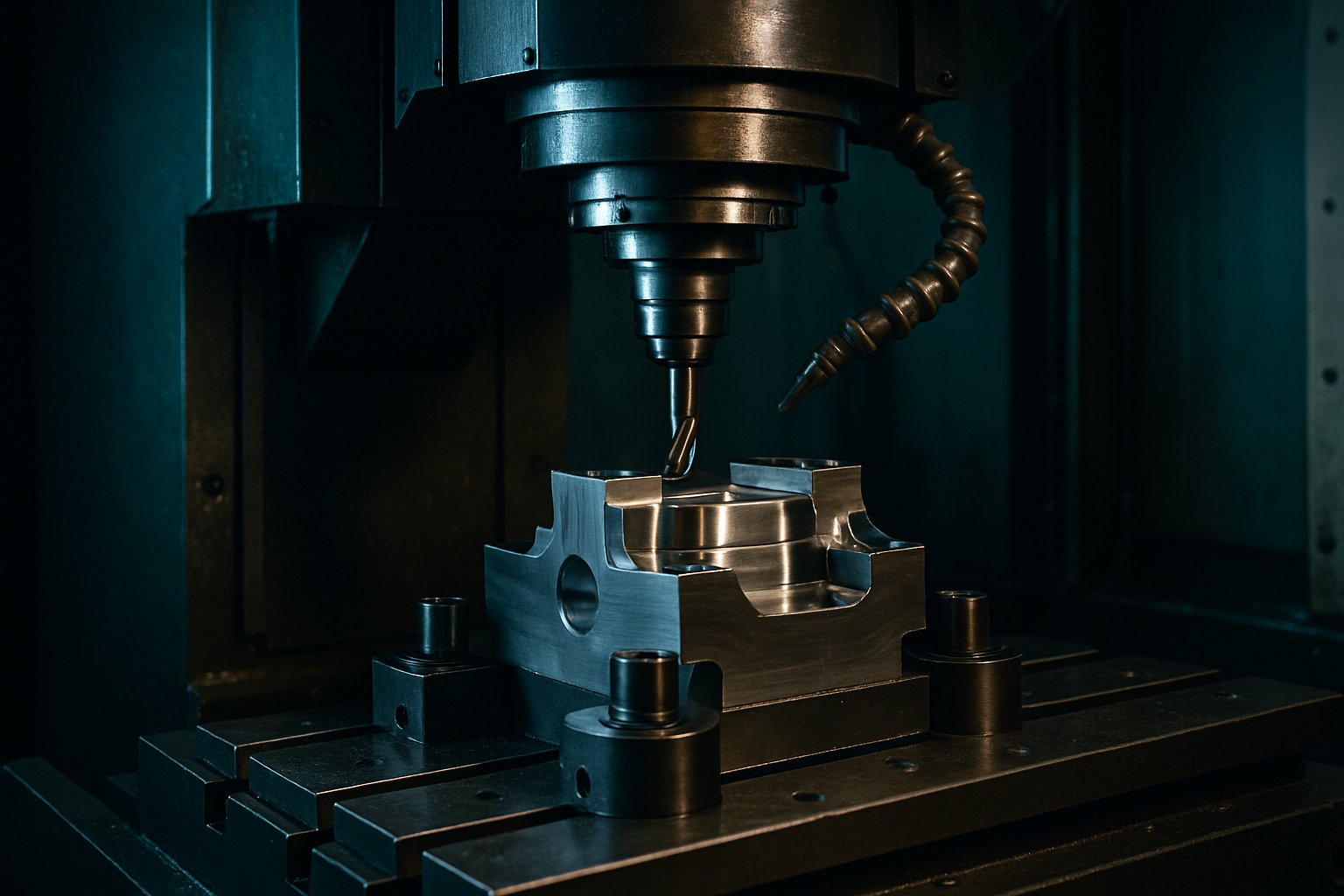
CNC Machining Melbourne: Finding Precision Manufacturers for Australian Engineers
When it comes to CNC machining in Melbourne, finding the right manufacturer can be a critical factor in your project’s success. This guide will help you navigate the complexities of selecting precision manufacturers, understanding material costs and machining rates, and avoiding common pitfalls.
Selecting Precision Manufacturers in Melbourne
Choosing the right CNC machining service provider in Melbourne starts with vetting companies based on their capabilities, experience, and reputation within the industry. Consider the following when making your decision:
- Certifications: Look for ISO 9001 or AS/NZS certifications that indicate a commitment to quality control.
- Equipment Range: Ensure they have the variety of CNC machines required to handle your specific projects, such as vertical milling centers and lathes capable of machining complex geometries down to ±0.02 mm tolerances.
- Material Expertise: A good manufacturer should be knowledgeable about the properties of various materials like aluminium 6061 (≈$35/kg) or stainless steel 316L (≈$90/kg), and have experience in selecting the most suitable ones for your application.
- Lead Times and Capacity: Assess their ability to meet tight deadlines, especially if you are working on urgent production runs.
Material Recommendations with Reasons
Choosing the right material can significantly impact your product’s performance and cost. Here are some recommendations tailored to common Australian engineering scenarios:
- Aluminium 6061 is a go-to for its excellent strength-to-weight ratio and corrosion resistance, making it ideal for aerospace components.
- Stainless Steel 316L offers superior mechanical properties at higher temperatures and better corrosion resistance than other steels, suitable for harsh chemical environments.
- PEEK (Polyether Ether Ketone) is highly recommended for applications requiring high wear resistance, low friction, and biocompatibility, such as in medical implants.
Common Mistakes to Avoid
Navigating the CNC machining industry can be tricky. Here are some common pitfalls to watch out for:
- Specifying Materials Too Broadly: Be specific about material grades (e.g., "Stainless Steel" should specify 316L or 304) and surface finishes.
- Ignoring Supplier Capacity Limits: Always inquire about the manufacturer’s capacity, especially if you have large-scale production needs. Overloading a small shop can result in delays and quality issues.
- Neglecting Detailed CAD Models: Providing detailed and accurate CAD models ensures that your part is machined precisely as intended.
Quick Reference for Key Specifications
- Material Tolerances:
- Aluminium: ±0.1 mm
- Steel: ±0.05 mm
- Surface Finish: Typically achieved within Ra 1.6 µm (microinch equivalent ~63 microinches)
- Lead Times:
- Small batches: Up to 2 weeks
- Large volumes: 4–8 weeks
Practical Takeaway for Immediate Application
When approaching CNC machining services in Melbourne, always start by clearly defining your project needs and material requirements. Engage with multiple manufacturers to compare their capabilities, cost structures, and lead times. By doing so, you can ensure that your project is executed within budget and schedule constraints while maintaining the highest standards of quality.
This approach will not only help you avoid costly mistakes but also facilitate better communication between engineers, procurement managers, and manufacturing professionals in the Australian market.
Free quote in 2 business days. No minimum order.