CNC Machining in Melbourne Precision Manufacturers Revealed
Rapid Manufacturing
Author
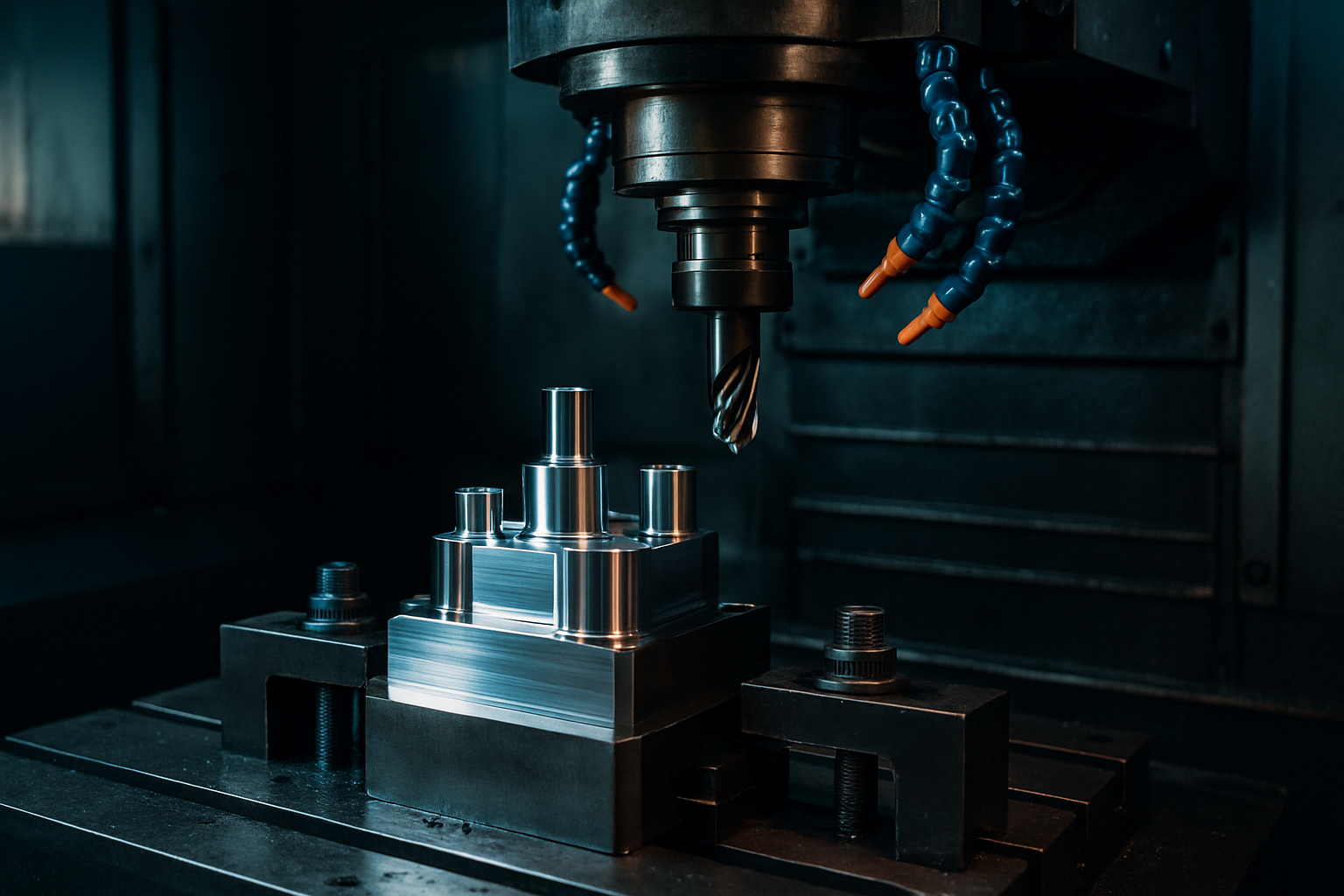
Precision CNC Machining in Melbourne: Navigating the Market for Engineers and Procurement Managers
When sourcing precision parts through CNC machining services in Melbourne, it's crucial to understand the local market dynamics, material availability, and the technical requirements of your project. This guide offers actionable advice to help engineers, procurement managers, and manufacturing professionals navigate the Australian supply chain effectively.
Choosing the Right Materials for Your Project
Selecting the appropriate material is a cornerstone of successful CNC machining. In Melbourne, common choices include aluminium 6061, stainless steel 316L, titanium alloys, and PEEK (polyether ether ketone). Each offers unique benefits:
- Aluminium 6061: Ideal for parts requiring light weight and good corrosion resistance. It's also cost-effective at approximately $25–45/kg.
- Stainless Steel 316L: Suitable for harsh environments due to its high chemical resistance and durability. Expect to pay around $70–130/kg.
- Titanium Alloys: Offer exceptional strength-to-weight ratios, making them a top choice in aerospace and medical applications. Prices range from $500–800/kg.
- PEEK: A high-performance engineering thermoplastic with excellent mechanical properties and resistance to chemicals. PEEK can cost between $800–1,600/kg.
Consider the specific application requirements when choosing materials—factors such as environmental conditions, weight constraints, and wear resistance should guide your decision.
Common Pitfalls in CNC Machining Projects
Several common mistakes can lead to project delays or higher costs:
- Inadequate Tolerance Specifications: Ensure tolerance specifications are clear and realistic. For critical parts requiring tight tolerances (e.g., ±0.025mm), verify that the manufacturer has the necessary equipment and expertise.
- Overlooking Material Properties: Failing to account for material properties such as thermal expansion, hardness, and machinability can lead to unexpected difficulties during production.
- Neglecting Surface Finish Requirements: Different surface finishes (e.g., anodizing for aluminium) have distinct costs and lead times. Specify these requirements early in the project to avoid surprises.
Decision Frameworks for CNC Machining Projects
When deciding between different machining processes or materials, consider the following frameworks:
- Choose Milling Over Turning When: High complexity is required (e.g., intricate geometries with multiple angles). Turning may be more appropriate if your design includes cylindrical shapes.
- Select Water Jet Cutting Over Laser Cutting When: Working with non-metallic materials like acrylics or composites. Laser cutting works better for metals and offers finer precision, though at higher costs.
Quick Reference: Key Specs for CNC Machining in Melbourne
- Material Costs: Aluminium 6061 ~$25–45/kg; Stainless Steel 316L ~$70–130/kg; Titanium ~$500–800/kg; PEEK ~$800–1,600/kg
- CNC Machining Rates: $120–$300/hr (contact for current rates)
- Lead Times: 7–14 days for prototypes; production lead times vary based on complexity and material
Practical Takeaway: Engage Early in the Design Process
Engaging with CNC manufacturers early in your design process can significantly streamline project execution. Discuss potential challenges upfront, such as tight tolerances or unconventional geometries, to ensure that both parties are aligned from the start.
By following these guidelines, you'll be better equipped to find and work with precision manufacturers for your CNC machining needs in Melbourne.
Free quote in 2 business days. No minimum order.