CNC Machining Lead Times in Australia Expectations
Rapid Manufacturing
Author
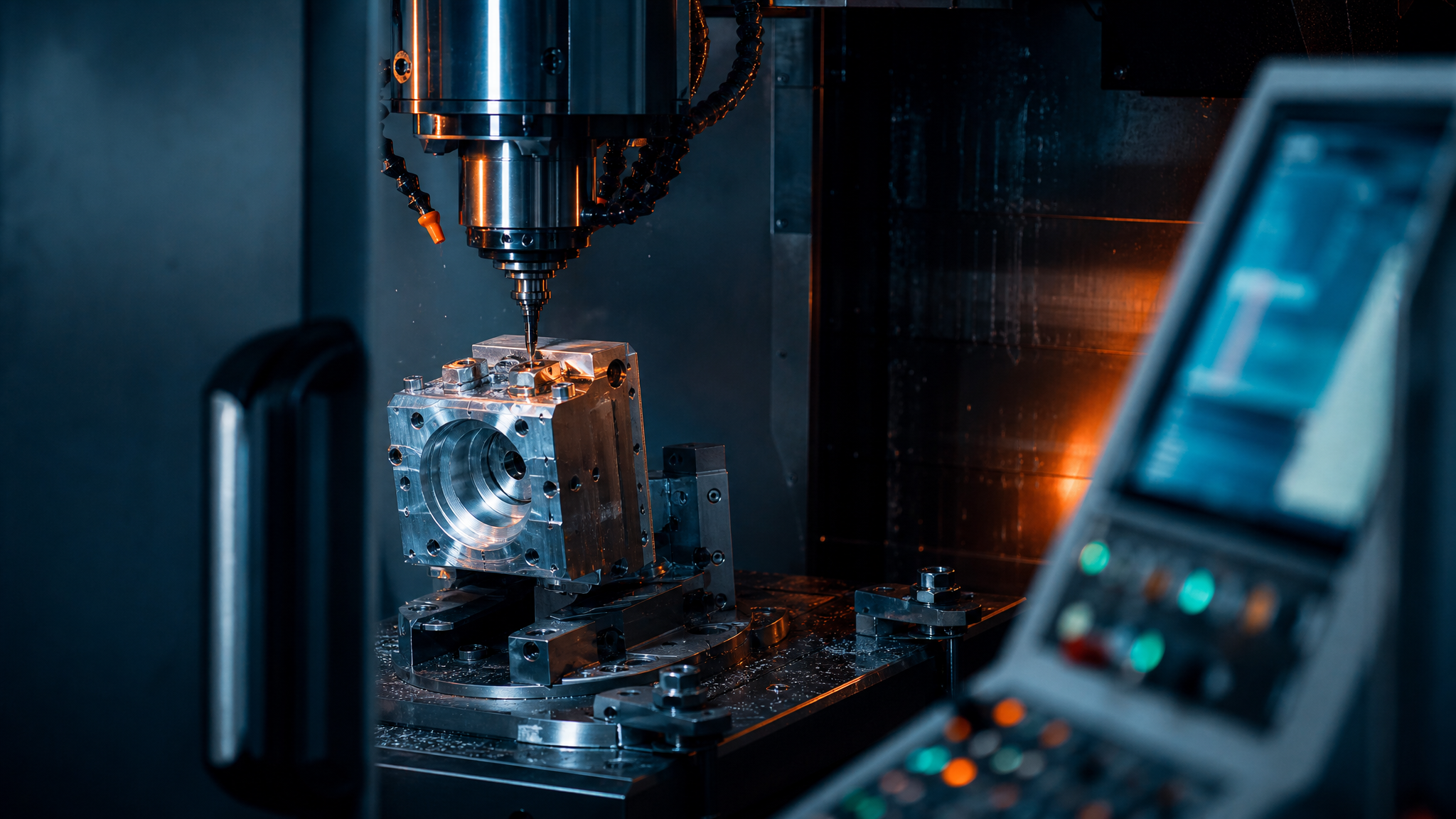
Understanding CNC Machining Lead Times in Australia
For Australian engineers and procurement managers working in manufacturing, understanding the intricacies of CNC machining lead times is crucial to project planning and execution. In a country where supply chain disruptions can significantly impact production timelines, knowing what factors influence these lead times and how they vary based on material availability and complexity of parts can make all the difference.
Key Factors Affecting CNC Machining Lead Times
Lead times for CNC machining in Australia are influenced by several key variables. The type of material used plays a significant role; materials like aluminium, which is readily available and easy to work with, generally have shorter lead times compared to exotic alloys or composites that may need special handling and processing techniques. For instance, an engineer looking to produce a batch of CNC machined parts from high-grade stainless steel might face longer lead times due to the material's hardness and the slower cutting speeds required.
Complexity of the part is another major determinant. Highly intricate designs with numerous small features will naturally take more time to machine compared to simpler geometries. This complexity not only affects machining time but also influences setup and programming efforts, which are often underestimated in initial project planning phases.
Additionally, demand from other industries can impact lead times. In Australia, certain periods see a surge in demand for CNC machined parts across various sectors like automotive or mining. During such peak seasons, manufacturing facilities might have backlogs that extend lead times beyond standard estimates.
Optimising Lead Times: Strategies and Tips
While lead times are largely dictated by external factors, there are strategies to optimise them within the constraints of Australian manufacturing realities:
-
Pre-planning: Engaging with CNC machining service providers early in the project development phase can help manage expectations regarding timelines effectively. Early communication allows for better planning around material procurement and scheduling.
-
Material Selection: Opting for locally sourced materials that are commonly used in CNC machining can significantly reduce lead times due to shorter supply chains and faster availability. For example, selecting readily available steel grades over imported alloys could expedite production processes without compromising on quality.
-
Design Simplicity: Where feasible, simplifying designs while maintaining functional requirements can drastically cut down manufacturing time. This includes removing unnecessary features or consolidating parts that require less machining effort.
Key Takeaway: Embrace Flexibility and Proactivity
In the unpredictable landscape of Australian manufacturing, being proactive and flexible is key to managing CNC machining lead times effectively. Whether it’s through early engagement with suppliers, strategic material selection, or simplifying part designs, these measures can help mitigate delays and ensure smoother project execution.
Understanding the nuances that impact lead times in Australia's unique context equips engineers and procurement managers with the tools necessary for successful project management. By adopting a proactive approach and staying informed about industry trends, one can navigate the complexities of CNC machining more confidently.
Free quote in 2 business days. No minimum order.