CNC Machining for Telecom Hardware in Australia
Rapid Manufacturing
Author
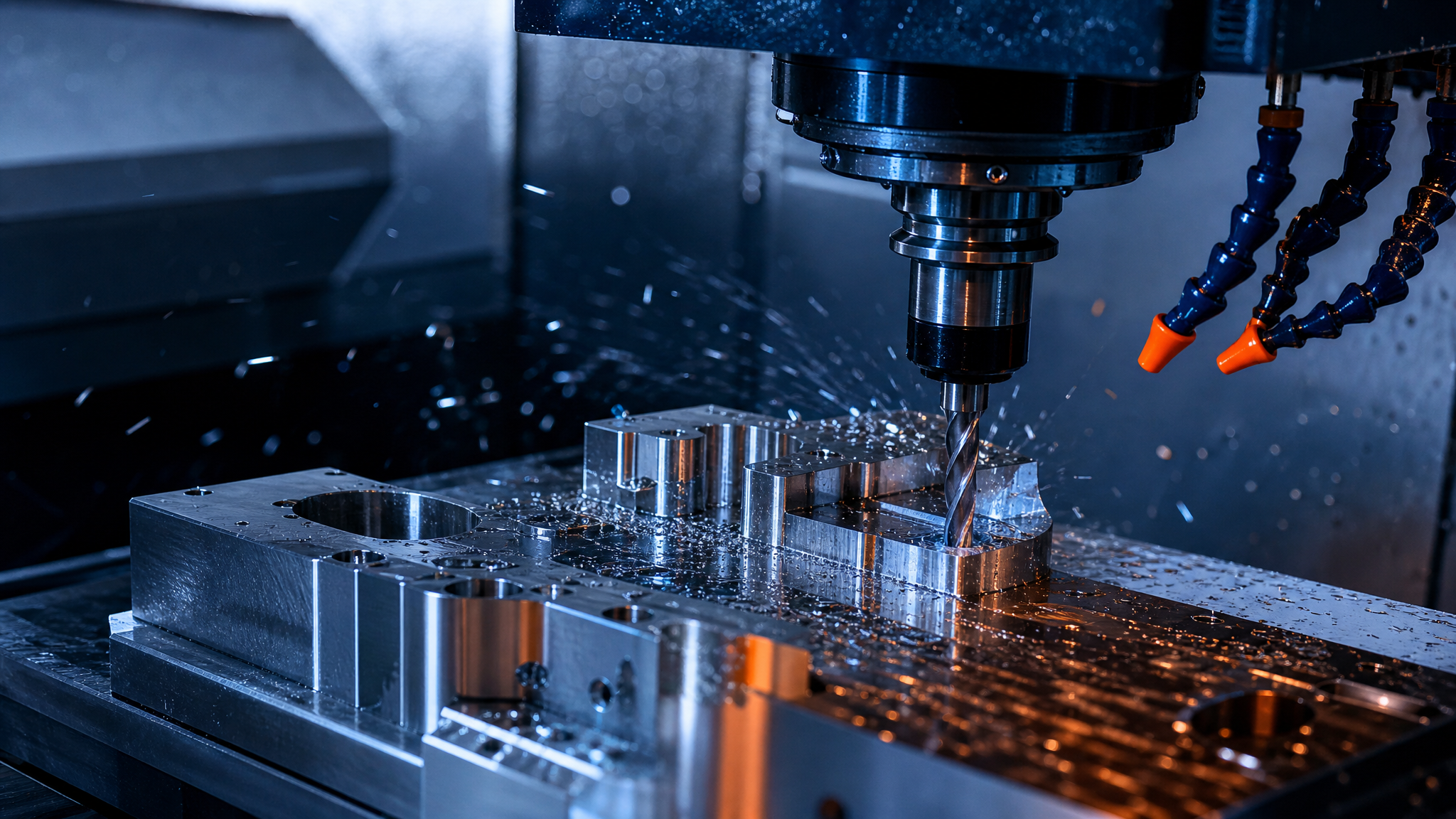
CNC Machining in Telecommunications Hardware Manufacturing: An Australian Perspective
The telecommunications industry in Australia relies heavily on precision manufacturing to support its infrastructure needs. One of the key technologies driving this is Computer Numerical Control (CNC) machining. This process allows for the creation of complex parts with high accuracy and repeatability, essential qualities in the production of reliable telecom equipment. In this blog post, we’ll explore how CNC machining can be effectively utilized to meet the demands of Australian telecommunications hardware manufacturing.
Materials and Applications
When it comes to CNC machining for telecom applications in Australia, engineers often work with a variety of materials that offer specific benefits depending on their intended use. Aluminium alloys are popular due to their excellent conductivity, light weight, and machinability. For instance, 6061-T6 aluminium is frequently used in antenna mounts and enclosures because it provides the necessary strength while being easy to fabricate.
Steel variants like stainless steel are also commonly employed where corrosion resistance or durability is critical. In Australia’s varied climate conditions, these properties can be crucial for outdoor equipment. For example, 316L stainless steel is used in saltwater environments due to its high resistance to chloride corrosion.
Plastics such as ABS and PEEK are utilized when electrical insulation is required. These materials also offer advantages like ease of assembly and cost-effectiveness compared to metal parts. Engineers designing telecom components must consider the environmental conditions and functional requirements before choosing a material that best fits their needs.
Process Considerations
CNC machining for telecommunications hardware involves several key steps that ensure quality output. The first is the design phase, where CAD software is used to create detailed 3D models of components. Australian manufacturers often leverage local expertise in digital design tools like SolidWorks or AutoCAD to optimize part geometry and functionality.
Once designs are finalized, they’re programmed into CNC machines using CAM (Computer-Aided Manufacturing) systems. This process involves creating toolpaths that define how the machine will move to cut material from a solid block. Australian manufacturers may collaborate with local machine shops equipped with advanced software like Mastercam or Fusion 360 for this purpose.
Material selection and setup are also crucial, as they influence the machining parameters such as cutting speed, feed rate, and depth of cut. For example, softer metals like aluminium require different settings than harder materials like stainless steel to achieve optimal surface finish and dimensional accuracy.
Challenges and Solutions
One common challenge in Australian telecommunications hardware manufacturing is meeting tight tolerances and maintaining consistency across multiple units. This requires stringent quality control measures during the machining process. Regular calibration of CNC machines, use of precision measuring tools, and adherence to best practices for tool wear management are essential steps.
Another issue is the environmental impact of manufacturing processes. As Australia continues to move towards sustainable industrial practices, manufacturers can adopt methods such as dry or minimal-fluid machining techniques to reduce waste. Additionally, recycling scrap materials effectively can significantly lower both costs and carbon footprint in the long run.
Practical Tip
For Australian engineers and procurement managers involved in telecom hardware manufacturing, it’s crucial to maintain a close relationship with suppliers who understand local material availability and quality standards. Regular audits of supply chains for compliance with industry regulations like AS/NZS 1720 can help ensure that all components meet the required specifications.
By focusing on these aspects, Australian manufacturers can leverage CNC machining to produce high-quality telecommunications hardware tailored specifically to the unique needs of their market while adhering to global best practices.
Free quote in 2 business days. No minimum order.