CNC Machining Precision for Semiconductor Equipment in Australia
Rapid Manufacturing
Author
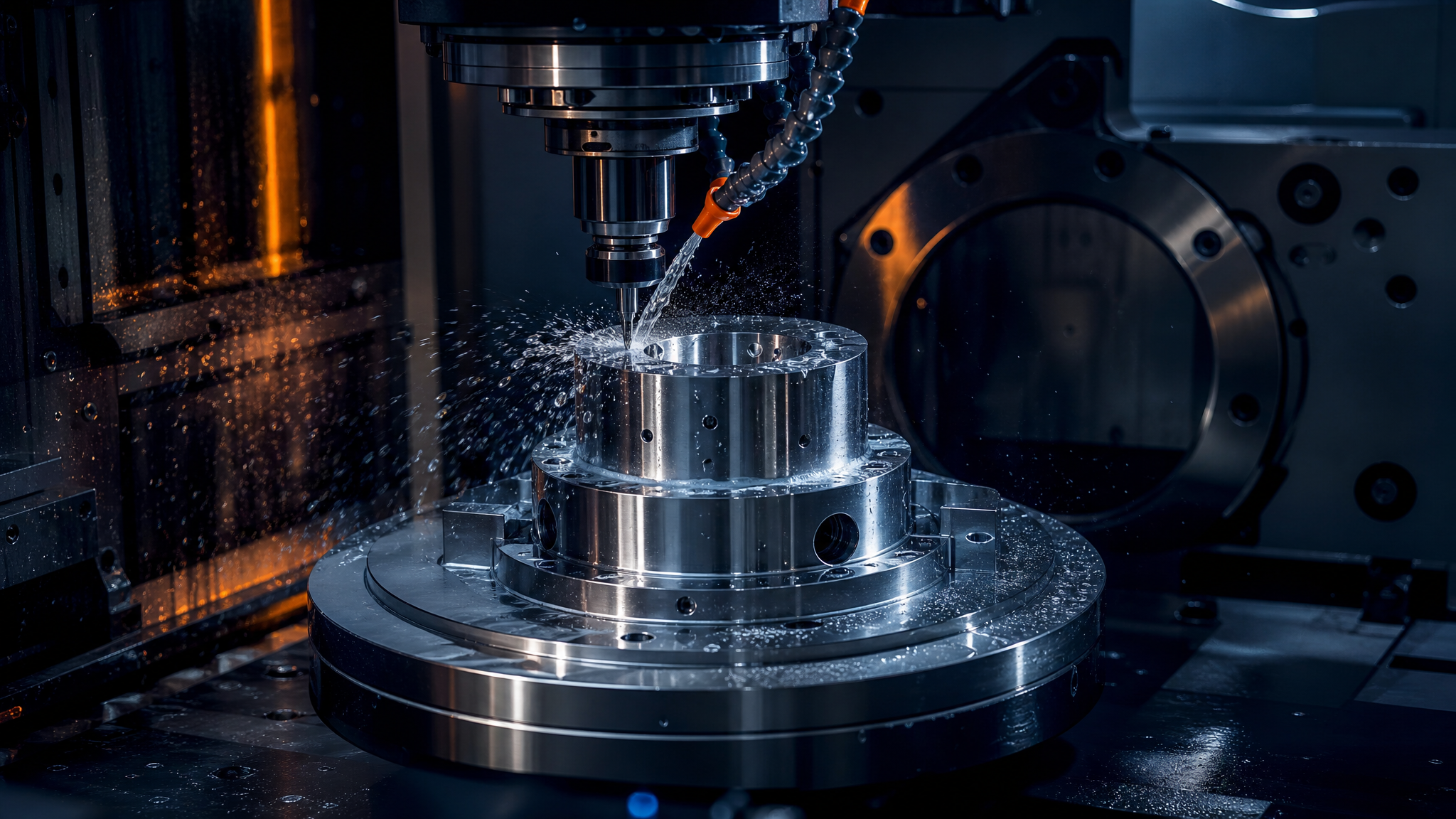
Introduction to CNC Machining in Semiconductor Equipment Manufacturing in Australia
CNC machining has become an essential process in the semiconductor industry due to its precision and repeatability. In Australia, where manufacturing standards are high and technology is rapidly advancing, CNC machining plays a pivotal role in producing critical components for semiconductor equipment. This blog post aims to provide Australian engineers and procurement managers with insights into how CNC machining can enhance their production processes.
Key Benefits of CNC Machining in Semiconductor Equipment
Precision: The semiconductor industry demands parts that are manufactured within extremely tight tolerances. CNC machines can achieve the precision required, often down to a few microns, which is crucial for ensuring the functionality and reliability of semiconductor devices.
Material Variety: Australian manufacturers have access to a wide range of materials, including high-grade stainless steel, aluminium alloys, copper, and even composites like graphite or PEEK. CNC machines can work with these diverse materials efficiently, producing components such as wafer carriers, vacuum chambers, and robotic parts that require specific material properties.
Automation: The semiconductor industry thrives on automation to maintain efficiency and reduce human error. CNC machining supports automated production lines, allowing for continuous operation without downtime. This is particularly beneficial in Australia where skilled labour can be costly and challenging to retain in remote manufacturing hubs.
Local Challenges and Solutions
Australian manufacturers face unique challenges such as the geographical isolation from global supply chains, which increases reliance on local sourcing of materials and expertise. One solution is to adopt a modular approach in designing CNC machining centres that can adapt to varying material types and production volumes without requiring major overhauls or replacements. This flexibility helps Australian companies stay competitive while reducing dependency on imported parts.
Another challenge is the environmental impact of manufacturing processes, which has become increasingly important for both regulatory compliance and corporate responsibility. Implementing CNC machining processes that use water-soluble coolants and lubricants can significantly reduce waste and improve sustainability efforts in Australian semiconductor equipment production.
Practical Tip: Embrace Advanced Software
To maximize efficiency and accuracy in your CNC machining operations, integrate advanced CAM (Computer-Aided Manufacturing) software into your workflows. This technology allows for the creation of complex part geometries with minimal manual intervention, ensuring that even the most intricate semiconductor components are machined correctly every time. By leveraging sophisticated simulation tools within these systems, Australian manufacturers can predict and prevent potential production issues before they arise, saving both time and resources.
In conclusion, CNC machining is a cornerstone technology in the fabrication of semiconductor equipment in Australia. With an eye on precision, material versatility, automation capabilities, local challenges, and environmental sustainability, Australian engineers and procurement managers are well-equipped to leverage this technology effectively for their manufacturing needs.
Free quote in 2 business days. No minimum order.