CNC Machining Precision for Scientific Instruments in Australia
Rapid Manufacturing
Author
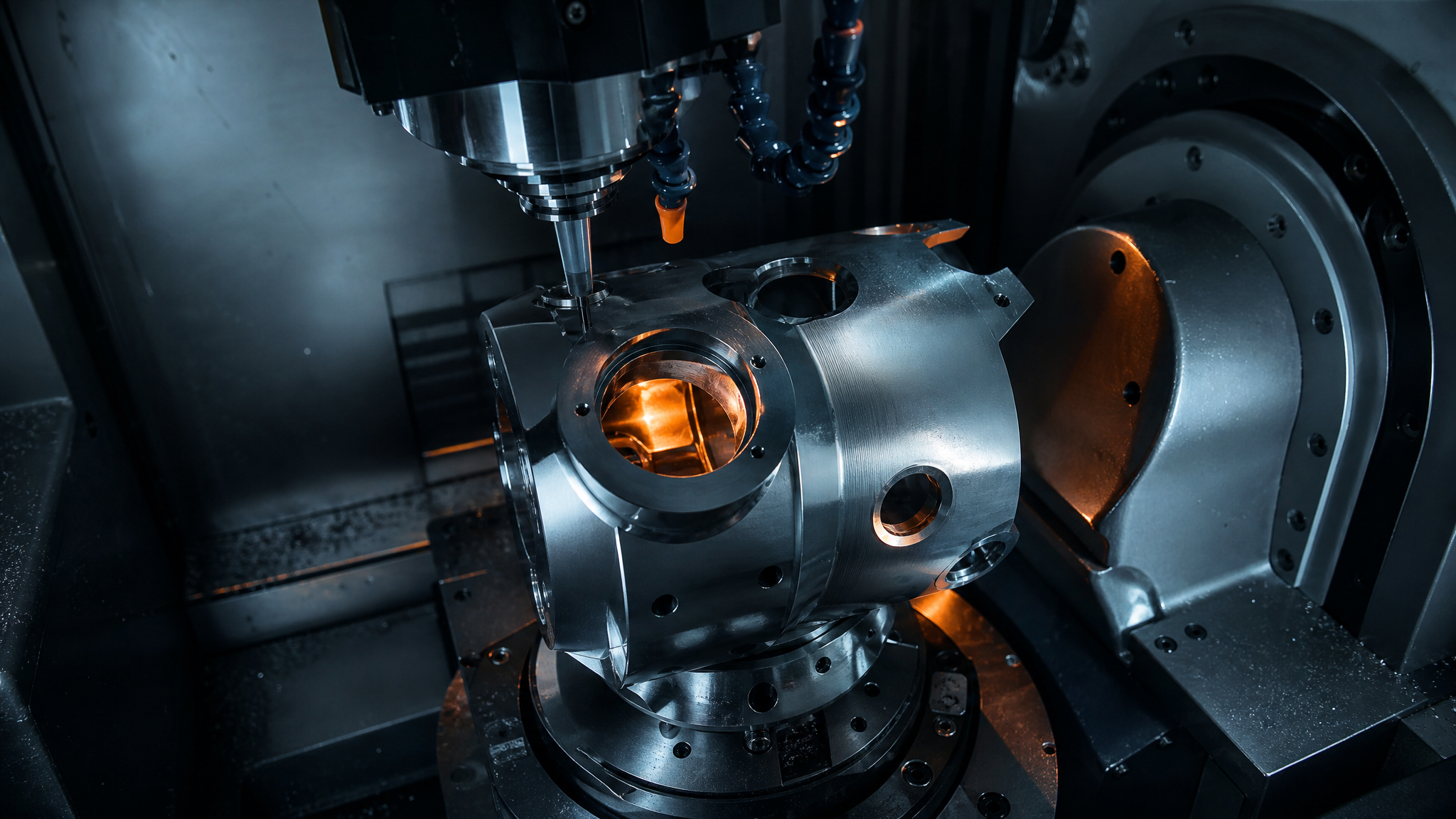
CNC Machining in Australia: Precision Engineering for Scientific Instruments
In the world of scientific research and development, precision is paramount. Australian engineers and procurement managers are constantly seeking innovative ways to produce high-quality components that can withstand rigorous testing conditions. One method that stands out due to its versatility and accuracy is Computer Numerical Control (CNC) machining. This technology allows manufacturers to create intricate parts for scientific instruments with exceptional detail and consistency.
Choosing the Right Material
When it comes to CNC machining, selecting the appropriate material is crucial. In Australia, aluminium alloys like 6061 and 7075 are popular choices due to their lightweight nature, strength, and ease of machinability. These metals not only meet stringent quality standards but also offer excellent corrosion resistance—ideal for scientific applications in marine environments or high-humidity labs.
For applications that require higher durability and conductivity, copper alloys such as brass (C260) are often used. They provide superior electrical properties and thermal stability, making them suitable for components like sensor housings and electronic enclosures.
Understanding Machining Processes
Understanding the various CNC machining processes can help in selecting the most appropriate technique for your project requirements. Milling is one such process where a rotating cutter removes material from a stationary workpiece to create complex geometries. This method is widely used in Australia for producing parts with tight tolerances and intricate designs, including gears, impellers, and housings.
Turning, on the other hand, involves rotating a cylindrical part against a fixed tool to shape its exterior surface precisely. This technique is ideal for creating round components such as shafts or rods that are often integral to scientific equipment like centrifuges or spectrometers.
Australian manufacturers also leverage advanced techniques like wire EDM (Electrical Discharge Machining) which uses electrical sparks to cut through hard materials without physical contact, ensuring no damage to the surface. This is particularly useful for cutting complex shapes and thin-walled sections in metals that would be challenging to machine otherwise.
Local Manufacturing Insights
Australian manufacturers face unique challenges due to the country’s vast landscape and remote locations, making logistics a critical consideration when sourcing components. Partnering with local CNC machining facilities can significantly reduce lead times and transportation costs while ensuring compliance with Australian standards such as AS/NZS 4024.1-2007 for safety in machinery.
Moreover, engaging with regional suppliers fosters innovation by leveraging the latest technology trends tailored to local needs. For instance, many Australian CNC shops are now integrating IoT (Internet of Things) devices into their operations to monitor machine performance and predict maintenance issues proactively. This not only enhances productivity but also ensures that scientific instruments receive components manufactured under optimal conditions.
Practical Tip: Embrace Collaborative Design
A key takeaway for engineers and procurement managers is the importance of embracing collaborative design practices with CNC machining experts early in the project lifecycle. By involving these specialists from the outset, you can optimize part designs to take full advantage of CNC capabilities while avoiding costly redesigns later on. This proactive approach not only streamlines production but also contributes to delivering high-performance scientific instruments that meet exacting standards.
By focusing on material selection, understanding machining processes, and tapping into local manufacturing insights, Australian engineers and procurement managers can harness the power of CNC machining to advance their projects in science and technology.
Free quote in 2 business days. No minimum order.