CNC Machining for Robotics Automation in Australia Growth
Rapid Manufacturing
Author
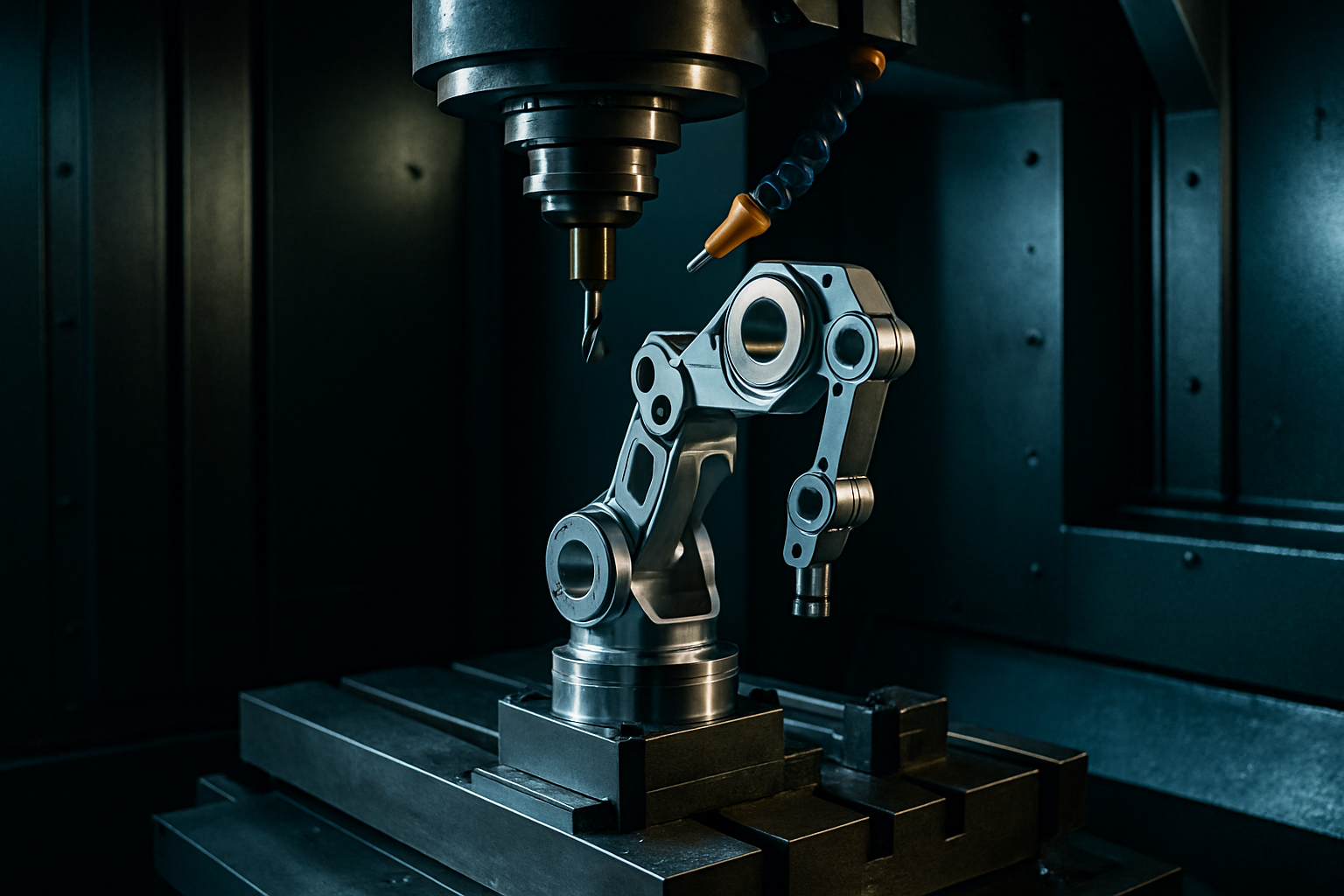
Introduction to CNC Machining for Robotics and Automation in Australia
CNC (Computer Numerical Control) machining plays a crucial role in the Australian robotics and automation industry due to its precision and flexibility. Whether you're an engineer designing new robotic components or a procurement manager looking to source high-quality parts, understanding the nuances of CNC machining can significantly impact your project's success.
Choosing the Right Material for Your Robotics Project
Selecting the right material is critical for performance, cost-effectiveness, and compliance with Australian standards (AS/NZS). Here are some common materials used in robotics, along with their pros and cons:
-
Aluminium 6061: This alloy offers a good balance of strength, weight, and corrosion resistance. It's ideal for prototypes or low-cost production runs due to its relatively lower cost (~$25–45/kg) and ease of machining.
-
Stainless Steel 316: For applications requiring high durability and corrosion resistance, especially in marine environments (common in Australia), stainless steel is a top choice. It's more expensive (~$70–130/kg) but offers excellent mechanical properties and longevity.
-
PEEK (Polyether Ether Ketone): PEEK is favoured for its chemical inertness, high temperature resistance (-40°C to +260°C), and strength-to-weight ratio. Use it when your design requires precision parts that can withstand harsh environments or frequent cleaning cycles. Material cost ranges from $800–1,600/kg.
Common Mistakes to Avoid in CNC Machining
Mistakes in the CNC machining process can lead to delays, increased costs, and subpar product quality. Here are some pitfalls to avoid:
-
Underestimating Part Complexity: Complex geometries often require more time and material than initially anticipated. Work closely with your CNC supplier early on to ensure accurate cost and schedule estimates.
-
Ignoring Material Properties: Each material has unique properties that affect machining processes, tooling choices, and expected outcomes. Always consult the mechanical data sheets or contact a materials expert before selecting a material.
-
Neglecting Surface Finish Requirements: Different surface finishes require different approaches in CNC programming and cutting strategies. For instance, achieving an ultra-smooth finish (Ra < 0.1 μm) might need slower machining speeds and more passes compared to standard finishes.
Quick Reference: Key Considerations for CNC Machining
-
Material Selection: Choose Aluminium 6061 for prototypes or low-cost production; Stainless Steel 316 for durability and corrosion resistance in marine environments; PEEK for high temperature resistance and chemical inertness.
-
Precision Requirements: For tight tolerances (±0.02 mm), consider using more precise CNC machines with advanced tooling and slower machining speeds.
-
Lead Times: Standard lead times range from 1–3 weeks depending on part complexity, material availability, and volume.
Conclusion: Immediate Steps to Take
Understanding the intricacies of CNC machining can significantly enhance your robotics projects. As a starting point, review your current materials list for potential substitutions that offer better performance or cost savings. Additionally, collaborate closely with your CNC service provider during the design phase to ensure you're getting the most out of this manufacturing technology.
By applying these insights, you'll be well-equipped to navigate the complexities of CNC machining in Australia and deliver robust robotic solutions efficiently.
Free quote in 2 business days. No minimum order.