CNC Machining for Robotics Automation in Australia Explained
Rapid Manufacturing
Author
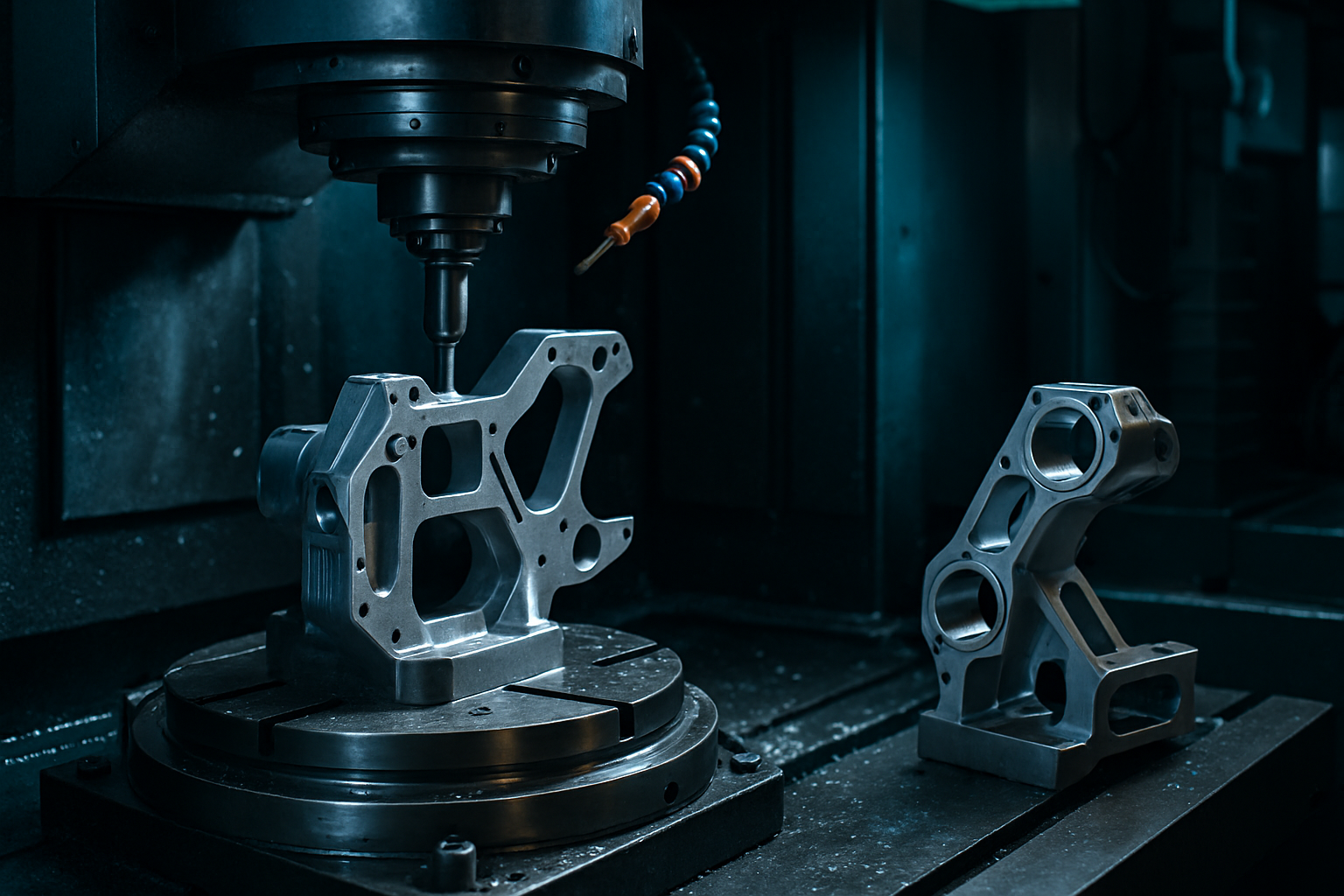
Introduction to CNC Machining for Robotics and Automation in Australia
CNC machining plays a pivotal role in manufacturing high-precision parts for robotics and automation systems in Australia. This technology allows for intricate designs and tight tolerances that are essential for components like gears, casings, and robotic arms. In this post, we will explore the nuances of CNC machining in the context of Australian engineering standards and supply chain realities.
Material Selection: Making Informed Decisions
Choosing the right material is crucial when designing parts for robotics and automation applications. Here’s a quick guide to selecting materials based on performance requirements:
-
Aluminium 6061:
- When to Use: When weight reduction is critical, such as in robotic arms or mobile platforms.
- Why: Aluminium offers excellent strength-to-weight ratio and is relatively inexpensive at approximately $25–45/kg.
-
Stainless Steel 316:
- When to Use: For parts that require corrosion resistance, like underwater sensors or components exposed to harsh chemicals.
- Why: Stainless steel provides superior durability in corrosive environments, priced around $70–130/kg.
-
Titanium:
- When to Use: When strength and stiffness are paramount with a weight limit, such as for high-performance robotic end-effectors.
- Why: Titanium alloys like Ti6Al4V offer exceptional mechanical properties but come at a higher cost of $500–800/kg.
-
PEEK (Polyether Ether Ketone):
- When to Use: For applications requiring both chemical resistance and high temperature tolerance, such as in precision parts for medical robotics.
- Why: PEEK’s high performance makes it ideal but costly at approximately $800–1600/kg.
Common Mistakes and Decision Frameworks
Avoid these common pitfalls when specifying CNC machined components:
-
Overlooking Material Properties:
- Make sure to verify that the chosen material meets thermal, mechanical, and chemical requirements of your application.
-
Neglecting Lead Times:
- Complex parts can have lead times exceeding two weeks. Plan ahead to avoid delays.
-
Ignoring Dimensional Tolerances:
- Aim for tight tolerances like ±0.1mm in critical areas. This ensures proper fit and functionality of robotic components.
Practical Takeaway: Implementing CNC Machining in Your Workflow
To immediately enhance your manufacturing process, consider integrating a few key practices:
- Utilize CAD Software: Employ advanced CAD tools that support complex geometry creation for robotics parts.
- Collaborate with Local Suppliers: Partner closely with Australian-based CNC machine shops to optimize supply chain logistics and ensure adherence to local quality standards.
Quick Reference: Key Specifications
- Material cost ranges: Al 6061 (~$25–45/kg), SS 316 (~$70–130/kg), Ti (Ti6Al4V) ~$500–800/kg, PEEK (~$800–1600/kg)
- CNC machining rates: $120–$300/hr
- Dimensional tolerances: ±0.1mm for critical components
By understanding the specific demands and nuances of CNC machining in Australia, engineers can better leverage this technology to enhance their robotics and automation projects.
Free quote in 2 business days. No minimum order.