CNC Machining for Robotics Automation in Australia Growth
Rapid Manufacturing
Author
Harnessing CNC Machining in Robotics and Automation: A Guide for Australian Engineers and Procurement Managers
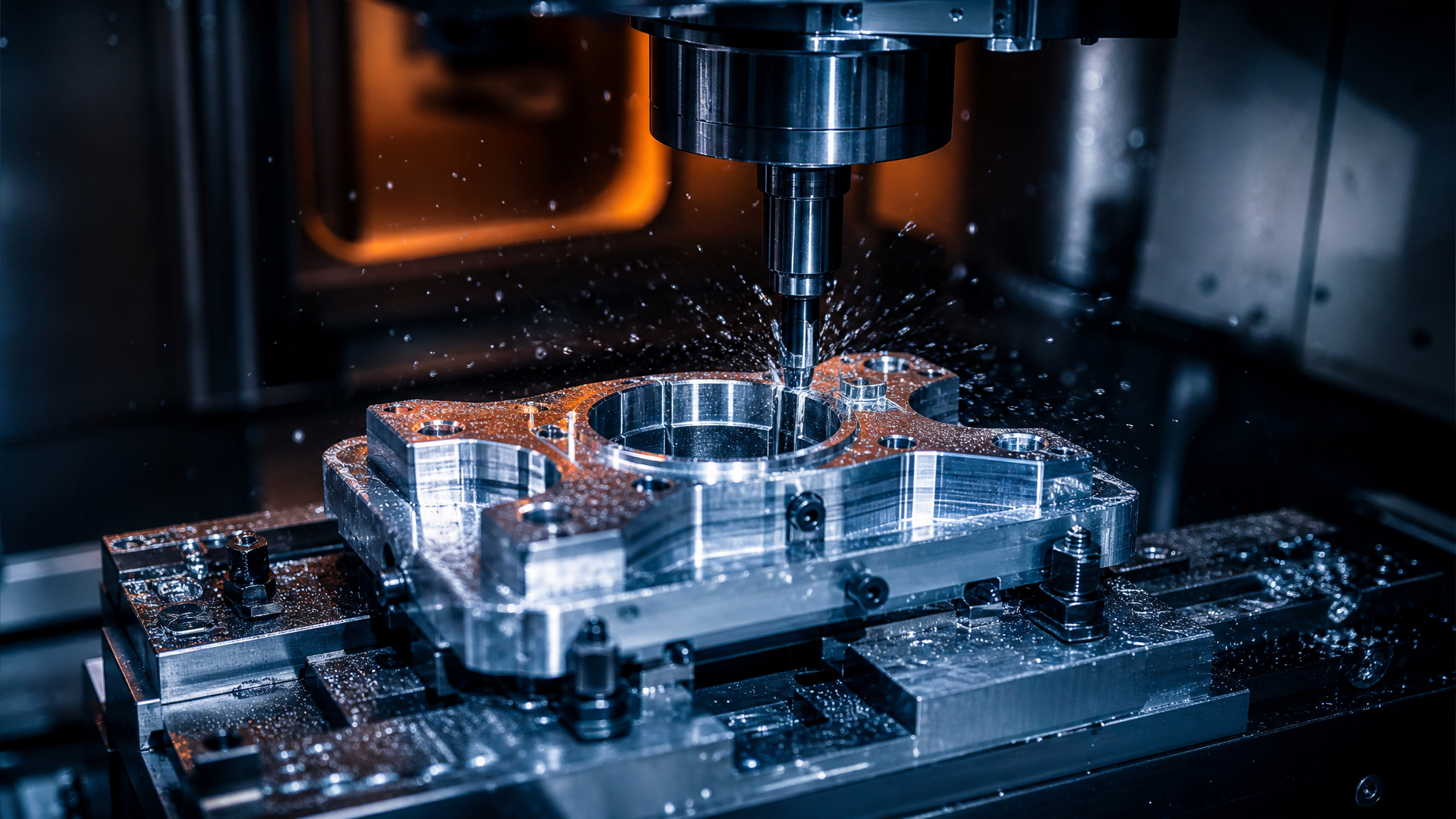
CNC (Computer Numerical Control) machining is a cornerstone technology within Australia's manufacturing sector, particularly within robotics and automation. This process enables the precise shaping of materials like metals and plastics to create intricate parts that are essential for robotic systems. For Australian engineers and procurement managers looking to innovate in this space, understanding how to leverage CNC machining effectively can significantly enhance product quality and operational efficiency.
Materials and Processes Tailored for Robotics
When selecting materials for robotics components via CNC machining, it's crucial to consider the unique requirements of each project. In Australia, where harsh environmental conditions are common, materials like stainless steel and aluminium alloys offer durability and resistance to corrosion. These metals can be machined into gears, housings, and robotic arms with high precision and repeatability.
Moreover, the versatility of CNC machining allows for both subtractive manufacturing (like milling) and additive manufacturing techniques (such as direct metal laser sintering). Engineers should evaluate which method best suits their project’s needs. For instance, subtractive methods are ideal for creating prototypes quickly due to shorter setup times compared to traditional machining processes.
Integration with Australian Supply Chains
Australia's industrial landscape is increasingly interconnected with global supply chains, making it essential to collaborate closely with local suppliers and manufacturers who understand the nuances of CNC machining. By fostering strong relationships within these networks, procurement managers can ensure timely delivery of high-quality components that meet both national standards and international quality certifications.
Furthermore, leveraging local expertise in CNC machining allows for better customization and faster turnaround times on bespoke projects. Local machinists often have an intimate knowledge of Australian materials availability and regional regulatory requirements, ensuring compliance without compromising on design integrity.
Enhancing Productivity with Advanced Software Solutions
To fully capitalize on the potential of CNC machining within robotics and automation, integrating advanced software solutions is indispensable. CAD (Computer-Aided Design) and CAM (Computer-Aided Manufacturing) tools streamline the design-to-manufacture process by enabling engineers to create detailed digital models that can be directly interfaced with CNC machines.
In Australia, embracing these technologies not only accelerates production timelines but also reduces errors through simulation and optimization features within modern CAD/CAM software. This is especially beneficial for complex robotic assemblies where minor inaccuracies could lead to significant performance issues down the line.
Key Takeaway: Embrace Continuous Learning in CNC Technology
As robotics and automation continue to evolve, so does the landscape of CNC machining technology. For Australian engineers and procurement managers, staying informed about the latest advancements—from hybrid manufacturing approaches to intelligent machine learning algorithms enhancing process efficiencies—is crucial. By continuously updating their knowledge base and collaborating with both local experts and international innovators, professionals in this field can unlock new possibilities for innovation and growth.
Embracing continuous learning ensures that projects remain at the cutting edge of technology while also benefiting from the robust support structure offered by Australia’s manufacturing community.
Free quote in 2 business days. No minimum order.