CNC Machining for Medical Devices Australia Precision Manufacturing
Rapid Manufacturing
Author
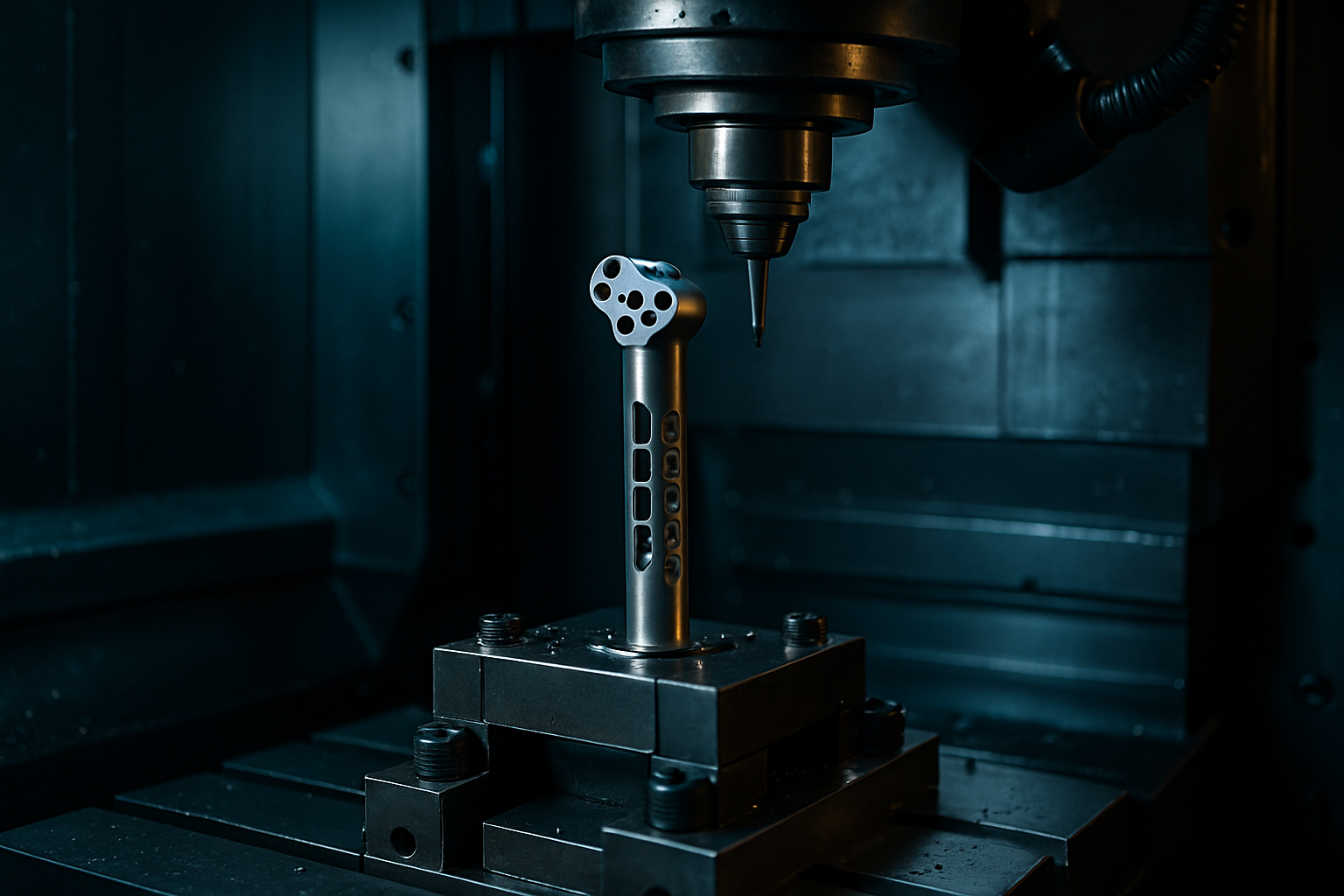
CNC Machining for Medical Devices in Australia: Precision and Compliance
When crafting medical devices with CNC machining in Australia, precision and compliance are paramount. Engineers, procurement managers, and manufacturing professionals must navigate stringent regulatory requirements while balancing cost efficiency and lead times.
Material Selection: Balancing Functionality and Cost
Choosing the right material is critical to both functionality and manufacturability of medical device components. Here’s a breakdown with Australian context:
-
Aluminium 6061: Ideal for non-critical internal parts or prototypes due to its lightweight nature (density ~2700 kg/m³) and reasonable cost (~$35/kg). However, avoid it for applications requiring biocompatibility.
-
Stainless Steel 316: Preferred material for medical implants and surgical tools due to excellent corrosion resistance and biocompatibility. Consider this option for components that must withstand sterilisation (up to 200°C) or harsh environments (~$100/kg). Be mindful of weight, as it is denser than aluminium.
-
Titanium Grade 5: Optimal for high-performance applications due to its strength-to-weight ratio and biocompatibility. Titanium is expensive ($700/kg), but the lower density (4320 kg/m³) can offset material costs compared to steel in complex geometries.
Common Pitfalls and Decision Frameworks
Avoid these common mistakes:
-
Underestimating Material Costs: Always factor in the true cost of raw materials. For instance, titanium parts might seem pricey initially, but their durability reduces long-term replacement costs.
-
Ignoring Regulatory Compliance: Ensure that your manufacturing partner adheres to Australian standards such as AS 4024 for safety and AS/NZS ISO 13485:2016 for medical device quality management. Non-compliance can lead to product recalls and legal issues.
Use these decision frameworks:
-
Choose Aluminium when: You require lightweight parts with moderate strength, like internal structural components or prototypes.
-
Choose Stainless Steel when: Your application demands biocompatibility, corrosion resistance, and the ability to withstand high temperatures (e.g., autoclaving).
-
Choose Titanium when: Weight is a critical factor in your design, and you need exceptional strength-to-weight ratio for parts like surgical implants or orthopaedic devices.
Quick Reference: Key Specifications
Before finalising materials and machining processes:
- Ensure material properties match end-use requirements.
- Confirm that the manufacturing partner adheres to ISO 13485 standards.
- Factor in a minimum tolerance of ±0.02mm for machined parts.
- Request certifications like CE or FDA clearance if your device will be exported or used internationally.
Practical Takeaway
Implementing a robust materials and machining strategy is the first step towards creating reliable, compliant medical devices. Engage with local CNC shops that specialise in medical components to leverage their expertise and ensure adherence to Australian standards. By focusing on material choice, regulatory compliance, and precision tolerances from the outset, you can streamline production and reduce long-term costs.
This approach not only ensures your product meets quality expectations but also positions it for success within the competitive Australian healthcare market.
Free quote in 2 business days. No minimum order.