CNC Machining for Medical Devices AustraliaPrecision Manufacturing
Rapid Manufacturing
Author
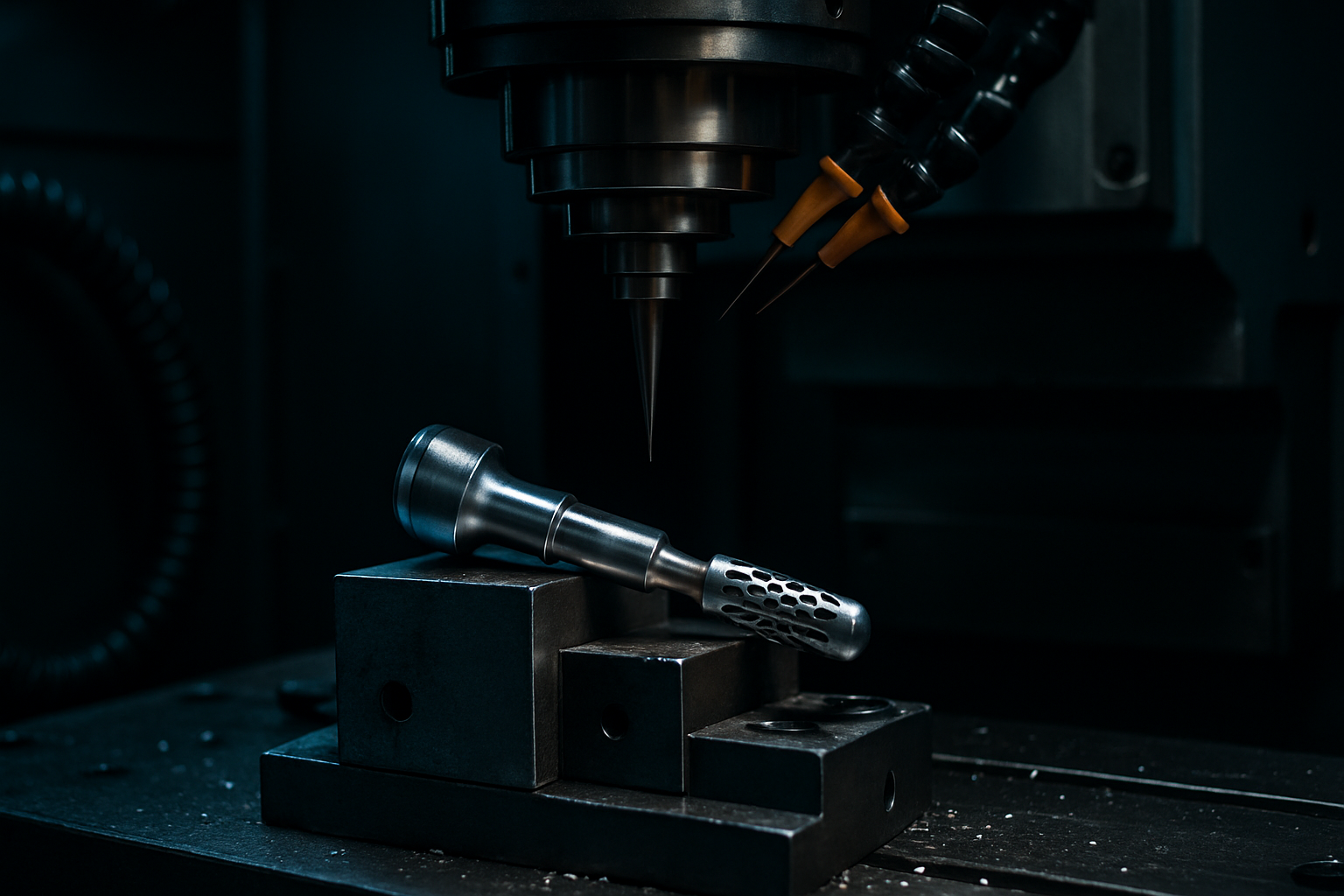
Understanding CNC Machining for Medical Devices in Australia
CNC (Computer Numerical Control) machining plays a critical role in the production of medical devices, ensuring precision and reliability that are essential in healthcare applications. In Australia, where stringent regulatory standards like AS/NZS ISO 13485 govern medical device manufacturing, selecting the right CNC service is crucial for meeting both quality and compliance requirements.
Material Selection: Precision and Biocompatibility
Choosing the correct material for your medical components is paramount. Here are some commonly used materials along with their key attributes:
- Aluminium 6061: Ideal for non-critical parts due to its lightweight nature and excellent machinability. Billet prices range from $25 to $45/kg.
- Stainless Steel 316: Highly recommended for devices that require corrosion resistance and high durability. It costs around $70 to $130/kg.
- Titanium Grade 2: An excellent choice for implants and surgical instruments due to its biocompatibility, strength-to-weight ratio, and fatigue resistance. Prices range from $500 to $800/kg.
- PEEK (Polyether Ether Ketone): A popular material in medical applications where transparency or imaging compatibility is needed. Billet prices are approximately $800 to $1,600/kg.
When selecting materials, consider the specific requirements of your application, such as biocompatibility, sterilization methods, and mechanical stress conditions.
Common Pitfalls in CNC Machining for Medical Devices
Avoid these common mistakes that can lead to increased costs or non-compliance:
- Underestimating Material Costs: Accurate cost projections are crucial. For instance, titanium parts will be significantly more expensive than aluminium equivalents.
- Ignoring Tolerances and Finishes: Ensure your design specifications match the machining capabilities of your supplier. Typical tolerances in medical devices range from ±0.1 mm to ±0.025 mm depending on complexity and application.
- Neglecting Regulatory Compliance: Non-compliance with standards like AS/NZS ISO 13485 can lead to serious legal issues and recall risks.
Decision Framework: Choosing the Right CNC Service
When selecting a CNC machining service in Australia, consider these decision points:
- Choose a local supplier for faster turnaround times. Australian supply chains may have shorter lead times compared to international options.
- Opt for high-end machines when working with hard or brittle materials, such as titanium or PEEK, which require precise control and lower speeds.
- Evaluate material waste reduction strategies for cost efficiency. For example, using 3D modelling software can help in reducing material usage by optimising part geometry.
Quick Reference
- Materials: Aluminium 6061 (lightweight), Stainless Steel 316 (durable), Titanium Grade 2 (biocompatible), PEEK (imaging compatible)
- Costs: Material costs range widely; verify with suppliers for accurate pricing.
- Tolerances: ±0.1 mm to ±0.025 mm depending on application complexity.
- Lead Times: Local supply chains offer faster turnaround compared to international options.
By focusing on these key considerations, you can ensure that your CNC machining projects meet the stringent requirements of Australia's medical device industry while maintaining cost-effectiveness and compliance with local regulations.
Practical Takeaway
For immediate action, review your current material selections and tolerances against the latest design specifications. Engaging in discussions with your CNC service provider about waste reduction strategies could also lead to significant cost savings on future projects.
Free quote in 2 business days. No minimum order.