CNC Machining for Medical Devices Australia Precision Manufacturing
Rapid Manufacturing
Author
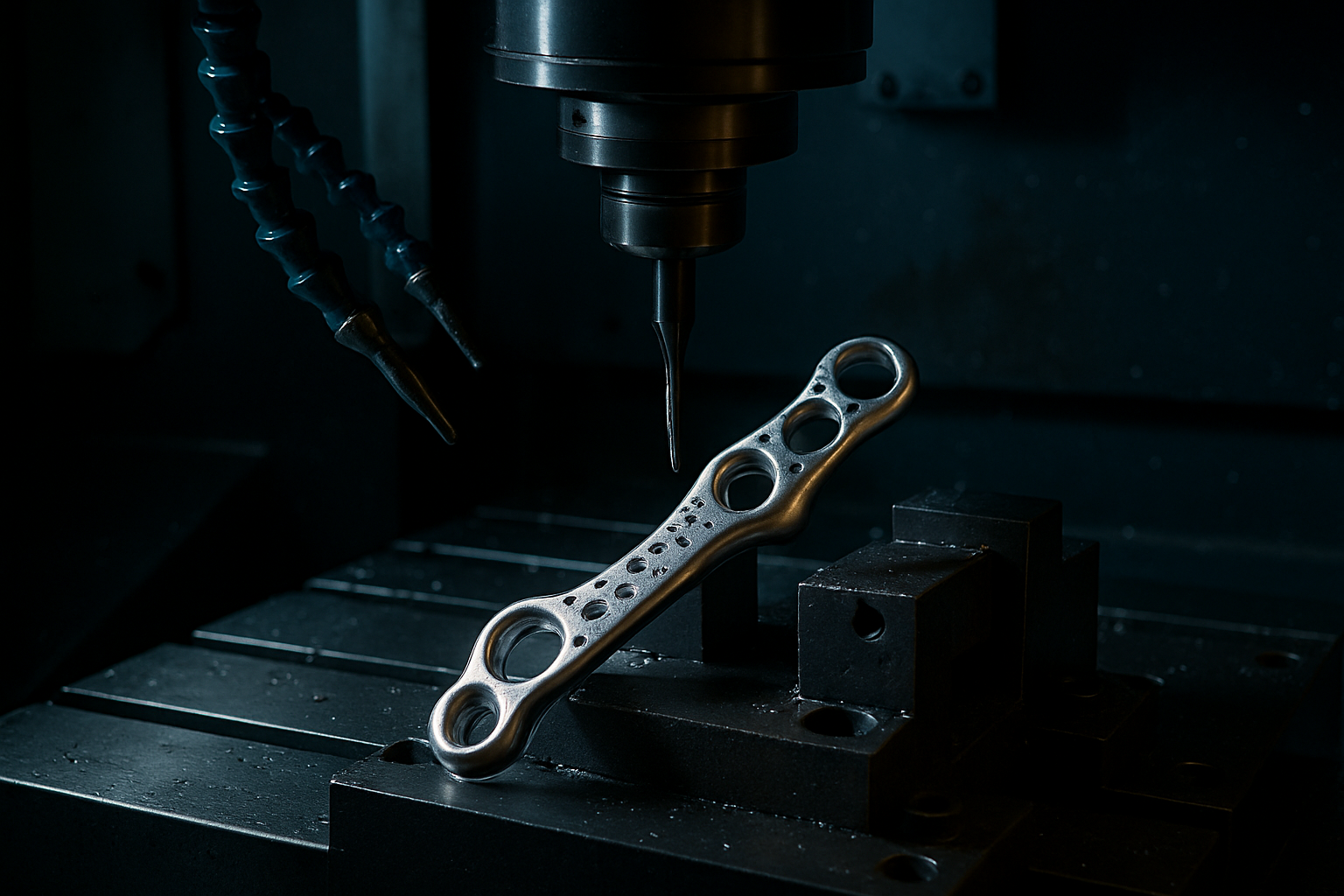
Understanding CNC Machining for Medical Devices in Australia
The medical device industry in Australia places a high value on precision and reliability. CNC (Computer Numerical Control) machining is a cornerstone of manufacturing these devices due to its ability to produce complex geometries with tight tolerances. For Australian engineers, procurement managers, and manufacturers, it's essential to understand the nuances of CNC machining specific to our market context.
Material Choices: Balancing Functionality and Cost
When selecting materials for medical device components via CNC machining, several factors come into play, including biocompatibility, mechanical properties, cost, and availability within Australia. Here are some common choices:
- Aluminium 6061: A popular choice due to its excellent strength-to-weight ratio and good machinability. It's particularly suitable for non-load-bearing components where weight reduction is critical.
- Stainless Steel 316L: Ideal for medical applications requiring high corrosion resistance, such as surgical instruments or implants exposed to bodily fluids.
- Titanium Alloys (e.g., Ti-6Al-4V): Used in demanding applications needing biocompatibility and strength. Titanium is particularly valuable for load-bearing components like orthopedic devices due to its low density and high strength.
- PEEK (Polyether Ether Ketone): An advanced thermoplastic offering excellent mechanical properties, wear resistance, and bioinertness, making it suitable for implants and surgical guides.
When choosing materials:
- Choose Aluminium 6061 when weight reduction is critical but corrosion resistance isn't as important.
- Opt for Stainless Steel 316L when components will be exposed to bodily fluids or harsh environments.
- Select Titanium Alloys when high strength and biocompatibility are paramount, especially in load-bearing applications.
- Use PEEK when a thermoplastic material with excellent mechanical properties is needed, particularly for implants that require long-term stability.
Common Mistakes to Avoid
Navigating the complexities of CNC machining can lead to several common pitfalls:
- Overlooking Material Properties: Using materials without considering their biocompatibility, fatigue strength, and corrosion resistance can compromise product performance.
- Ignoring Tolerance Specifications: Medical devices often require tight tolerances (typically ±0.02mm for critical components). Overestimating machine accuracy or material shrinkage can lead to non-compliant parts.
- Neglecting Regulatory Compliance: Ensuring that products meet Australian standards such as AS/NZS 4815:2006 (medical devices) is crucial for market entry and patient safety.
Decision Frameworks for Cost-Efficiency
Efficiently managing costs while maintaining quality is paramount in medical device manufacturing. Here are some strategies:
- Cost-Benefit Analysis: For each material choice, assess the upfront cost against long-term benefits like reduced maintenance or improved performance.
- Batch Size Considerations: Small batch production can often be more expensive per unit due to setup times and non-reusable fixtures. Larger batches offer economies of scale but may tie up capital longer.
Quick Reference: Key CNC Machining Specs for Medical Devices
- Material cost (approximations): Aluminium 6061 ~$25–45/kg, Stainless 316 ~$70–130/kg, Titanium ~$500–800/kg, PEEK ~$800–1,600/kg
- CNC machining rate: $120–$300/hr depending on machine type and complexity
- Tolerances for critical components: ±0.02mm
Takeaway: Immediate Application
Understanding the nuances of CNC machining in the Australian context allows manufacturers to better leverage this technology's capabilities while mitigating risks. By carefully selecting materials based on their specific properties, avoiding common pitfalls, and applying strategic cost management techniques, you can produce high-quality medical devices that meet both regulatory standards and market demands.
As a starting point, consider revisiting your current material choices through the lens of biocompatibility and mechanical requirements, then reassess any ongoing projects for potential cost-saving measures while maintaining quality.
Free quote in 2 business days. No minimum order.